
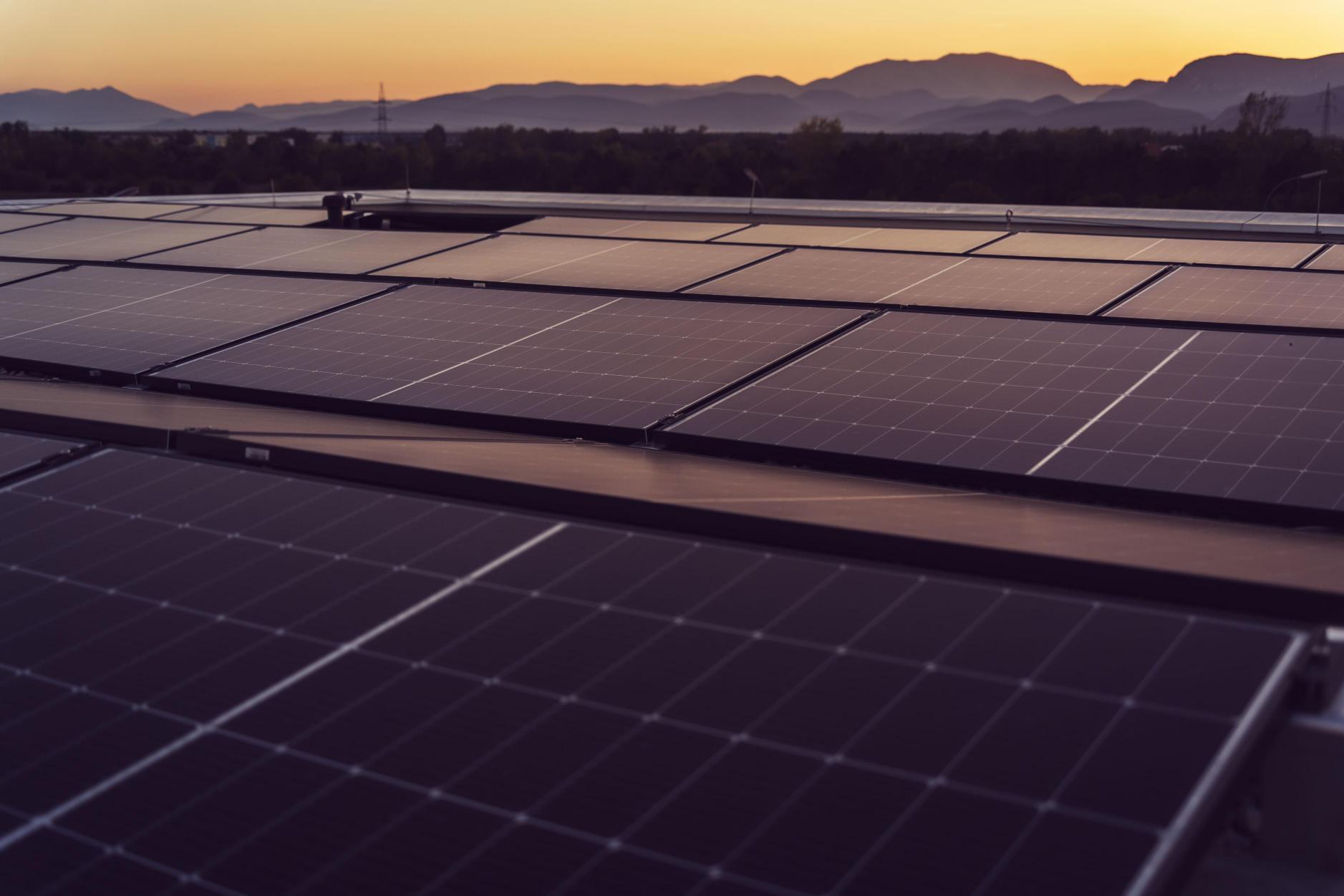
South Korea’s solar PV wafers industry is gaining momentum as the country accelerates its transition toward renewable energy and energy security. Solar wafers are a critical component in photovoltaic cell manufacturing, making them essential to the broader solar value chain. Rising investments in clean energy infrastructure, increasing electricity demand, and technological advancements in wafer production are supporting industry expansion. Domestic manufacturers are focusing on high-efficiency wafer technologies to enhance competitiveness and reduce dependence on imported solar components. The industry’s development aligns with South Korea’s broader sustainability goals and commitment to reducing carbon emissions.
Market Drivers Advancing South Korea Solar PV Wafers Growth
Growing Adoption of Renewable Energy Projects
South Korea continues to increase the share of renewable energy in its power generation mix. Large-scale solar installations across industrial, commercial, and utility sectors are creating strong demand for solar PV wafers. The country has added several gigawatts of solar capacity over the past decade, making solar one of the fastest-growing renewable energy sources in the energy sector. Growing corporate commitments to clean energy procurement are also supporting wafer demand.
Technological Advancements in Wafer Manufacturing
Manufacturers are investing in advanced wafer production technologies to improve efficiency and reduce material waste. Thinner wafers, larger wafer formats, and improved silicon utilization techniques are helping producers lower manufacturing costs while increasing energy conversion efficiency. Innovations supporting TOPCon and heterojunction solar cell technologies are further driving demand for high-quality wafers.
Expansion of Domestic Solar Manufacturing Ecosystem
The development of a localized solar manufacturing supply chain is encouraging investments in wafer production facilities. Companies are collaborating across the photovoltaic value chain to enhance production capabilities and strengthen supply security. The increasing focus on domestic manufacturing reduces exposure to global supply chain disruptions and enhances competitiveness in export markets.
Government Initiatives Supporting South Korea Solar PV Wafers Sector
The South Korean government continues to promote renewable energy adoption through national decarbonization strategies and clean energy targets. Supportive policies encourage investment in solar energy projects, energy-efficient technologies, and domestic manufacturing capabilities. Financial incentives, research grants, and industrial innovation programs are helping accelerate advancements in solar wafer production. These initiatives aim to strengthen the country’s renewable energy infrastructure while fostering long-term growth across the solar sector.
Competitive Landscape of South Korea Solar PV Wafers Industry
The industry is characterized by the presence of established solar technology manufacturers, semiconductor material suppliers, and emerging renewable energy companies. Market participants are emphasizing technological innovation, production efficiency, and strategic partnerships to strengthen their positions. Investments in research and development remain a key competitive strategy as companies seek to produce higher-efficiency wafers that align with evolving photovoltaic technologies and growing industry requirements.
Challenges Impacting South Korea Solar PV Wafers Industry
Dependence on Raw Material Supply
The availability and pricing of polysilicon and other critical raw materials can significantly influence production costs. Supply chain disruptions and global price volatility create operational challenges for wafer manufacturers.
Intense International Competition
South Korean producers face strong competition from major global wafer manufacturing hubs with large-scale production capacities. Maintaining cost competitiveness while investing in advanced technologies remains a significant challenge for industry participants.
Future Outlook
Rising Investments in Advanced Solar Technologies
Future growth is expected to be supported by increasing adoption of next-generation photovoltaic technologies, including TOPCon, heterojunction, and tandem solar cells. These innovations will require higher-performance wafers, creating new opportunities for manufacturers.
Strengthening Renewable Energy Infrastructure
Continued expansion of solar power installations and supportive clean energy policies are expected to sustain wafer demand. As South Korea advances its energy transition objectives, the solar PV wafers industry is likely to experience steady expansion, supported by technological innovation, manufacturing modernization, and growing renewable energy investments across the energy sector.
Consultants at Nexdigm, in their latest publication “South Korea Solar PV Wafers Market Outlook to 2035,” analyze the sector By (Define South Korea Solar Taxonomy, Bottom-Up Production Capacity Assessment, Top-Down Domestic Demand Modeling, Primary Supply Chain Interviews,).
Nexdigm suggests that businesses in the South Korea Solar PV Wafers Industry focus on expanding local manufacturing capabilities, adopting advanced wafer technologies, and aligning with EU sustainability regulations. Strengthening supply chain resilience and investing in high-purity silicon wafer production can help companies capitalize on growing renewable energy demand and enhance long-term market competitiveness.
To take the next step, simply visit our Request a Consultation page and share your requirements with us.
Harsh Mittal
+91-8422857704