
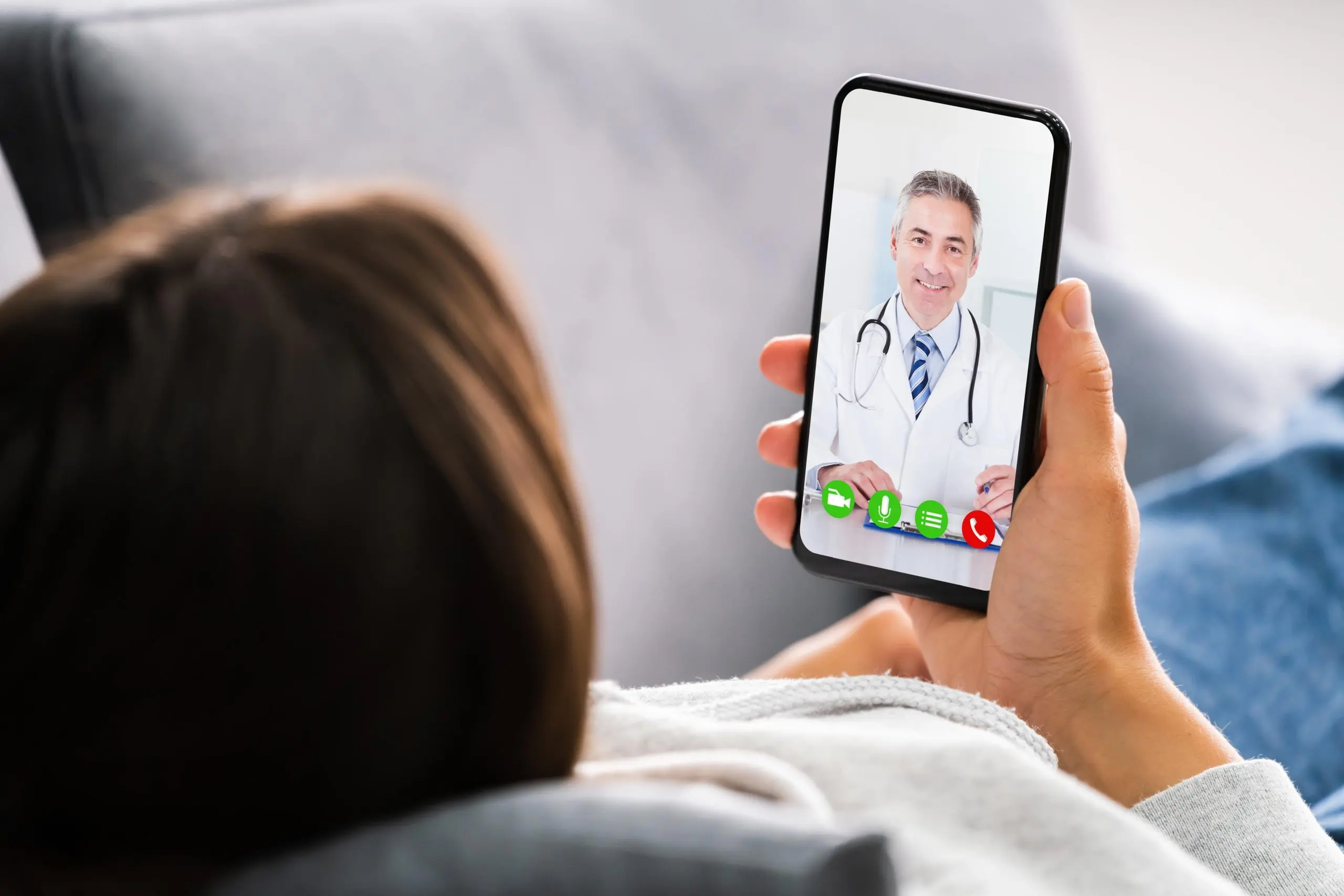
South Korea has become one of the most closely watched healthcare markets in Asia for digital care adoption. The country combines world-class internet infrastructure with a population that is aging faster than many developed nations. That creates a very practical problem: more patients need regular care, while hospitals in major cities already handle heavy traffic. Telemedicine has moved from a temporary solution during the pandemic to a serious part of long-term healthcare planning. In 2026, patients across South Korea are already comfortable using mobile banking, food delivery, and e-commerce apps. Healthcare was always likely to follow. Virtual consultations, remote monitoring, and prescription renewals now make sense not only for convenience, but for system efficiency. If regulation continues to loosen gradually, telemedicine could become a standard layer of care by 2035 rather than a niche service.
What’s Driving the Telemedicine Market in South Korea?
Aging Population and Chronic Care Needs
South Korea has one of the lowest birth rates in the world, and that reality is reshaping healthcare demand. Older adults typically need recurring consultations rather than one-time treatment. Conditions such as hypertension, diabetes, heart disease, and joint disorders require regular follow-up, medication adjustments, and symptom tracking. For many seniors, especially those outside dense urban zones, frequent hospital visits are tiring and time-consuming. A video check-in for blood pressure management or diabetes review can replace unnecessary travel. In practice, telemedicine works best here not as a substitute for hospitals, but as a filter that reserves in-person appointments for more serious cases.
Advanced Connectivity and Tech Readiness
Few countries are as digitally prepared as South Korea. High-speed broadband is common, 5G coverage is extensive, and smartphone usage spans nearly every age group. That lowers one of the biggest barriers seen in other markets: patients do not need to learn entirely new behavior. Hospitals and private platforms are now linking consultations with electronic records, wearable devices, and AI-based symptom screening. A patient can upload glucose readings, speak with a doctor, and receive follow-up guidance in one workflow. That does not solve every care gap, but it removes friction that often delays treatment.
Demand for Convenience in Urban Life
Residents of Seoul, Busan, and Incheon often deal with long commutes and packed schedules. Taking half a day off work for a minor consultation is increasingly hard to justify. This is where telemedicine has found a loyal user base. Mental health sessions, dermatology follow-ups, allergy consultations, and repeat prescriptions are especially well suited to digital channels. Many younger professionals prefer speed and privacy over sitting in a crowded waiting room. That behavioral shift matters as much as technology adoption.
Government-Led Initiatives Supporting Digital Healthcare
South Korean policymakers have taken a cautious but steady route. Temporary telemedicine allowances introduced during the pandemic helped normalize remote consultations. Since then, the government has continued pilots tied to rural access, smart hospitals, and AI-assisted diagnostics. This slower regulatory approach has advantages. It reduces the risk of uncontrolled expansion and poor-quality providers flooding the market. The trade-off is pace. Some startups would like faster reform, but healthcare regulators tend to move carefully for good reason.
Market Competition and Innovation Landscape
The market includes hospitals, telecom firms, health-tech startups, and large electronics groups such as Samsung Electronics and LG Electronics through connected devices and monitoring tools. Established hospitals still hold trust, while startups often move faster on user experience. That split is common in digital health. Large institutions bring credibility and clinical depth. New entrants bring better interfaces, scheduling tools, and specialized services such as counseling or chronic care reminders. Over time, partnerships are likely to outperform pure stand-alone models.
Regulation, Reimbursement, and Trust
A common challenge is that telemedicine success depends on rules, not just demand. Questions remain around insurance reimbursement, prescription scope, data privacy, and which patients qualify for remote care. Without clarity, providers hesitate to invest heavily. Trust also matters. Many patients still prefer face-to-face visits for complex symptoms, and some doctors worry that remote consultations can miss subtle warning signs. Telemedicine grows fastest when used selectively, not when oversold as a cure-all.
South Korea Formalizes Telemedicine Framework in 2026
South Korea entered a new phase for digital healthcare after the country enacted permanent telemedicine legislation following years of policy debate. The updated framework keeps in-person treatment as the primary model but allows structured remote care for follow-up patients and clinic-level providers. Industry participants now view 2026 as a transition year while reimbursement rules, technical standards, and pilot programs are finalized. Recent local reports also note ongoing debate around medicine delivery after online consultations, showing that regulation has advanced, though patient convenience issues remain unresolved.
Future Outlook
By 2035, telemedicine in South Korea will likely sit alongside traditional care rather than compete with it. Routine consultations, post-surgery follow-ups, mental health sessions, and chronic disease management should become common online services. Hospitals may reserve physical capacity for diagnostics, emergencies, and specialist treatment. Remote monitoring devices, home-based recovery programs, and AI-supported triage tools will deepen this shift. South Korea has the ingredients to lead in this space, but execution will matter more than headlines.
Consultants at Nexdigm, in their latest publication “South Korea Telemedicine Market Outlook to 2035”, analyzed the market by Service Type (Video Consultation, Audio Consultation, Remote Monitoring, E-Prescription Support), By Application (Primary Care, Chronic Disease Management, Mental Health, Dermatology, Post-Discharge Care), and By End User (Hospitals, Clinics, Homecare Patients, Corporate Users). Nexdigm believes companies should focus on compliant platforms, practical hospital partnerships, and simple user journeys rather than chasing growth through hype alone.
To take the next step, simply visit our Request a Consultation page and share your requirements with us.
Harsh Mittal
+91-8422857704