
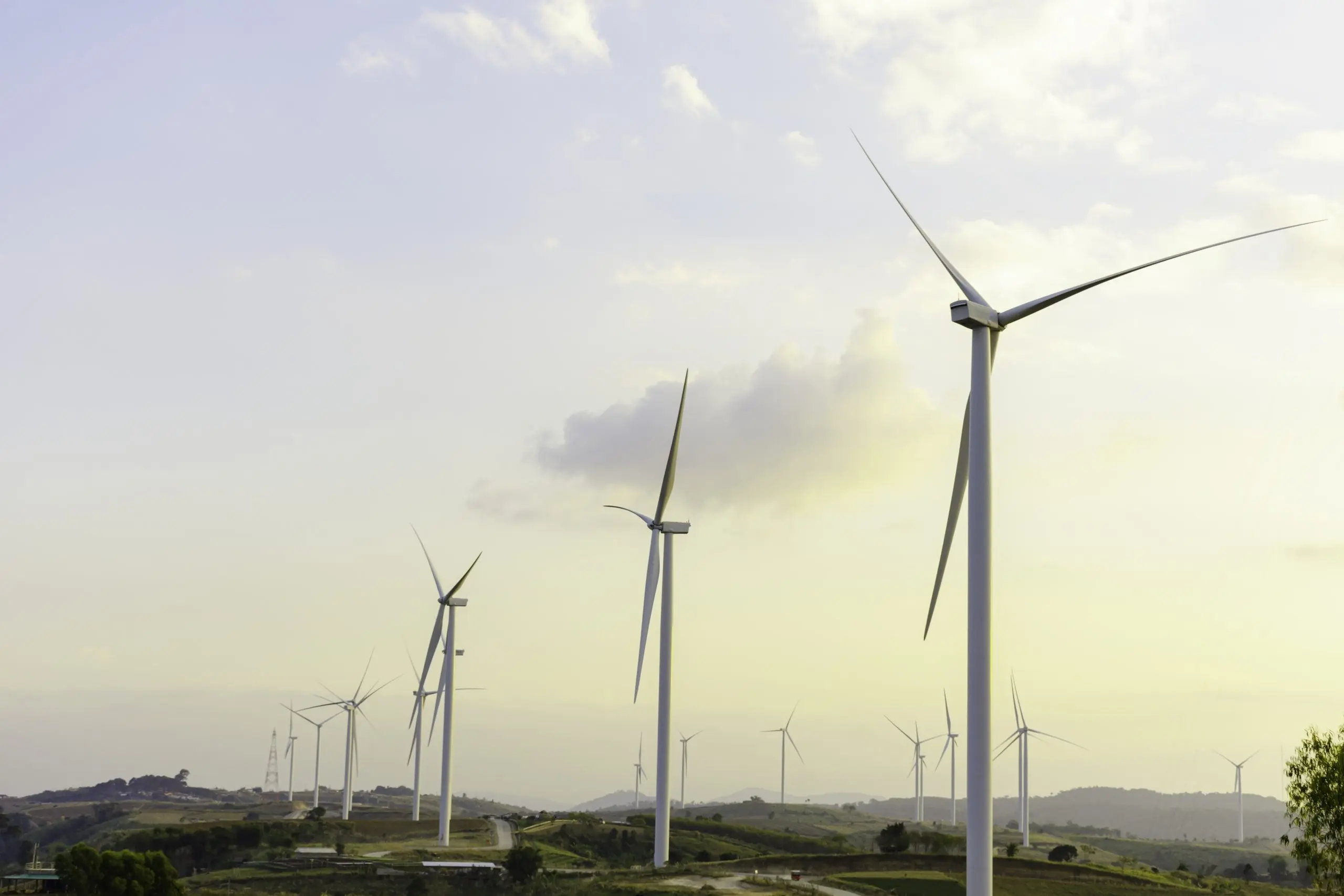
South Korea’s wind energy sector is becoming a key part of the country’s shift towards cleaner, more sustainable energy. With strong goals to reduce carbon emissions and diversify the energy mix, the wind market is expected to grow steadily over the next decade. By 2025, wind power generation is projected to reach around 2.97 TWh, with expectations to increase to 4.48 TWh by 2035. This growth will be fueled by the expansion of both onshore and offshore wind capacity, playing a crucial role in meeting the nation’s energy goals.
Driving Factors Behind the Growth of South Korea’s Wind Energy Sector
Rising Renewable Targets
Government policy plays a central role in driving wind power adoption. South Korea’s 10th Basic Plan for Long‑Term Energy Supply and Demand sets a renewable energy target of generating 33 % of electricity from renewable sources by 2036, with wind playing a key role in meeting this objective.
Offshore Wind Expansion
The country’s extensive coastline and suitable wind conditions are shifting investor focus toward offshore development. A large pipeline of offshore projects has secured Electricity Business Licenses, totaling over 20 GW across multiple sites. Floating offshore technology also presents longer‑term prospects for deeper waters, expanding the resource base beyond traditional fixed‑bottom sites.
Private Sector Engagement
International and domestic energy firms are increasing capital allocation to wind projects. Strategic partnerships and multinational involvement are expanding project pipelines and introducing advanced turbine technologies capable of higher output and grid integration.
Government Policies and Initiatives Fueling Wind Energy Growth in South Korea
South Korea’s Green New Deal and renewable planning frameworks streamline permitting, incentivize infrastructure investment, and prioritize smart grid integration. Combined with carbon neutrality commitments (including a 53–61% reduction in greenhouse gas emissions by 2035), these policies provide a regulatory backdrop that supports wind farm deployment and financing.
Key Players and Competitive Dynamics in South Korea’s Wind Energy Market
The market features a mix of established global turbine manufacturers and energy developers, alongside Korean industrial players. Major firms involved in wind projects include TotalEnergies SE, Equinor ASA, Siemens Gamesa Renewable Energy, and Vestas Wind Systems, as well as domestic entities such as Hyosung Heavy Industries and Korea Midland Power.
Challenges Facing the Growth and Development of South Korea’s Wind Energy Sector
Grid Integration & Infrastructure
Expanding variable wind capacity places stress on existing grid infrastructure. Efficient integration requires upgrades to transmission systems and operational strategies to manage variability.
Regulatory and Permitting Complexity
Despite policy support, regulatory processes and land use constraints—especially onshore—can delay project timelines and increase costs. Streamlining approvals remain a critical issue for faster deployment.
Future Outlook
Looking toward 2035, South Korea’s wind energy sector is positioned for notable growth. With consistent policy frameworks, technological advances, and public‑private investment, wind capacity is set to expand as part of broader renewable portfolio diversification. Offshore wind is expected to drive the majority of new capacity additions, supporting national targets for renewable penetration and emissions reduction. Continued growth in installed capacity and generation will contribute to energy security and decarbonization goals in the decade ahead.
Consultants at Nexdigm, in their latest publication “South Korea Wind Energy Market Outlook to 2035,” analyze the sector by System Type (Onshore Wind Energy, Offshore Wind Energy, Hybrid Wind Systems, Small-Scale Wind Energy), By Platform Type (Land-Based Platforms, Floating Wind Platforms, Fixed-Bottom Offshore Platforms), and By Fitment Type (Onshore Installations, Offshore Installations, Hybrid Installations). Nexdigm suggests that businesses should closely monitor the evolving landscape of renewable energy, particularly in markets like South Korea. By staying informed about government policies, technological advancements, and investment opportunities in the wind energy sector, companies can better align their strategies to capitalize on emerging growth areas. This proactive approach will help businesses navigate the complexities of energy transition, mitigate risks, and maximize opportunities in a rapidly changing industry.
To take the next step, simply visit our Request a Consultation page and share your requirements with us.
Harsh Mittal
+91-8422857704