
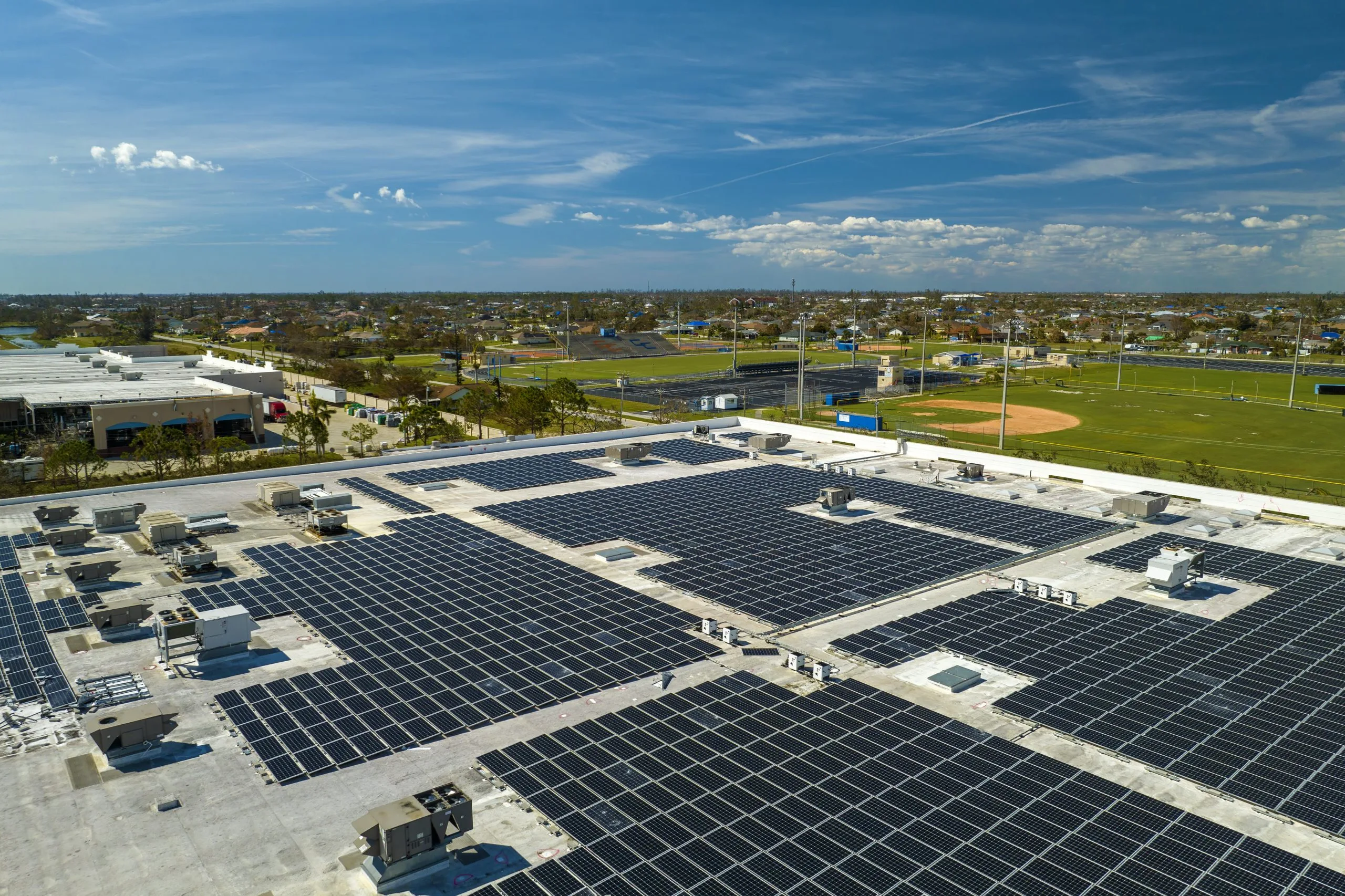
South Korea’s energy storage market is undergoing rapid transformation as the nation shifts toward cleaner and more resilient power systems. Driven by rising renewable energy integration and increasing need for grid stability, energy storage systems (ESS) are becoming a critical component of the country’s energy strategy. This market encompasses utility-scale, commercial, and residential storage solutions designed to balance supply‑demand fluctuations and support peak shaving, ancillary services, and backup power. The sector is set for significant growth through 2035 as technological advances, policy frameworks, and industrial investment reshape the energy landscape.
Major Factors Fueling Growth in South Korea’s Energy Storage Market
Renewable Energy Integration
South Korea aims to expand wind and solar capacity substantially by 2035, requiring robust storage infrastructure to manage intermittent generation and maintain grid reliability. Renewables are critical to decarbonization goals, and storage enables smoothing of variable output while supporting frequency regulation and peak demand reduction. Increasing renewable penetration will be a foundational driver for ESS adoption.
Grid Stability and Energy Security
A high dependence on imported fossil fuels and centralized generation infrastructure heightens the need for flexible power systems. ESS deployments help balance supply and demand, reduce transmission stress, and enhance resilience against outages and price volatility. National procurement programs, like tenders for hundreds of megawatts of storage capacity under long‑term contracts, underline the strategic role of ESS in stabilizing Korea’s power system.
Industrial and Commercial Demand Growth
Corporations, data centers, and industrial facilities are increasingly investing in storage to lower energy costs and manage peak load. South Korea’s strong battery manufacturing base, including lithium‑ion technology, supports innovation and cost reductions, further promoting ESS uptake across sectors.
Government Policies and Initiatives Driving Energy Storage Adoption in South Korea
The Korean government is formalizing national procurement frameworks and energy plans that embed ESS into broader power system development. Recent auctions have allocated significant capacity under long‑term contracts, signaling policy alignment toward storage deployment. These public initiatives, coupled with renewable expansion targets and power system reform, create conditions favorable for sustained ESS market growth through 2035.
Overview of Key Players and Competitive Dynamics in South Korea’s Energy Storage Market
South Korea’s ESS market includes domestic leaders in battery manufacturing and global technology firms. Major Korean battery producers are shifting production lines to focus on energy storage applications while securing strategic supply agreements for ESS batteries, reflecting competitive adaptation to market trends. These players leverage manufacturing scale and technological expertise to capture both domestic and international demand.
Key Challenges Facing the Growth of South Korea’s Energy Storage Market
High Capital Costs
Initial investment remains a barrier for widespread ESS deployment, especially at grid scales. Upfront costs for advanced battery systems and associated integration hardware can constrain adoption, particularly in price‑sensitive segments. Lower operating costs and longer lifespans are needed to justify large capital outlays.
Infrastructure and Regulatory Constraints
Grid modernization and regulatory streamlining are necessary to fully leverage storage capabilities. Legacy infrastructure and approval processes can slow project roll‑outs, requiring coordinated reform to unlock market potential.
Future Outlook
By 2035, South Korea’s energy storage market is poised for robust expansion as part of the broader clean energy transition. Growth will be supported by continued renewable capacity additions, enhanced grid flexibility requirements, and technological advancements, particularly in battery technology and smart grid integration. Emerging trends such as long‑duration storage and hybrid systems may further diversify the market. With supportive policy frameworks and strategic investment, South Korea is expected to develop a more resilient, efficient, and low‑carbon energy system by 2035.
Consultants at Nexdigm, in their latest publication “South Korea Energy Storage Market Outlook to 2035,” analyze the sector by System Type (Battery Energy Storage Systems, Flywheel Energy Storage Systems, Pumped Hydro Storage Systems, Compressed Air Energy Storage Systems), By Platform Type (Grid-Connected Energy Storage, Off-Grid Energy Storage, Commercial Energy Storage), and By Fitment Type (On-Premise Solutions, Cloud-based Solutions, Hybrid Solutions). Nexdigm suggests that businesses should focus on market-relevant context by addressing industry trends, customer needs, and regulatory changes. This ensures content is valuable, timely, and resonates with the target audience.
To take the next step, simply visit our Request a Consultation page and share your requirements with us.
Harsh Mittal
+91-8422857704