
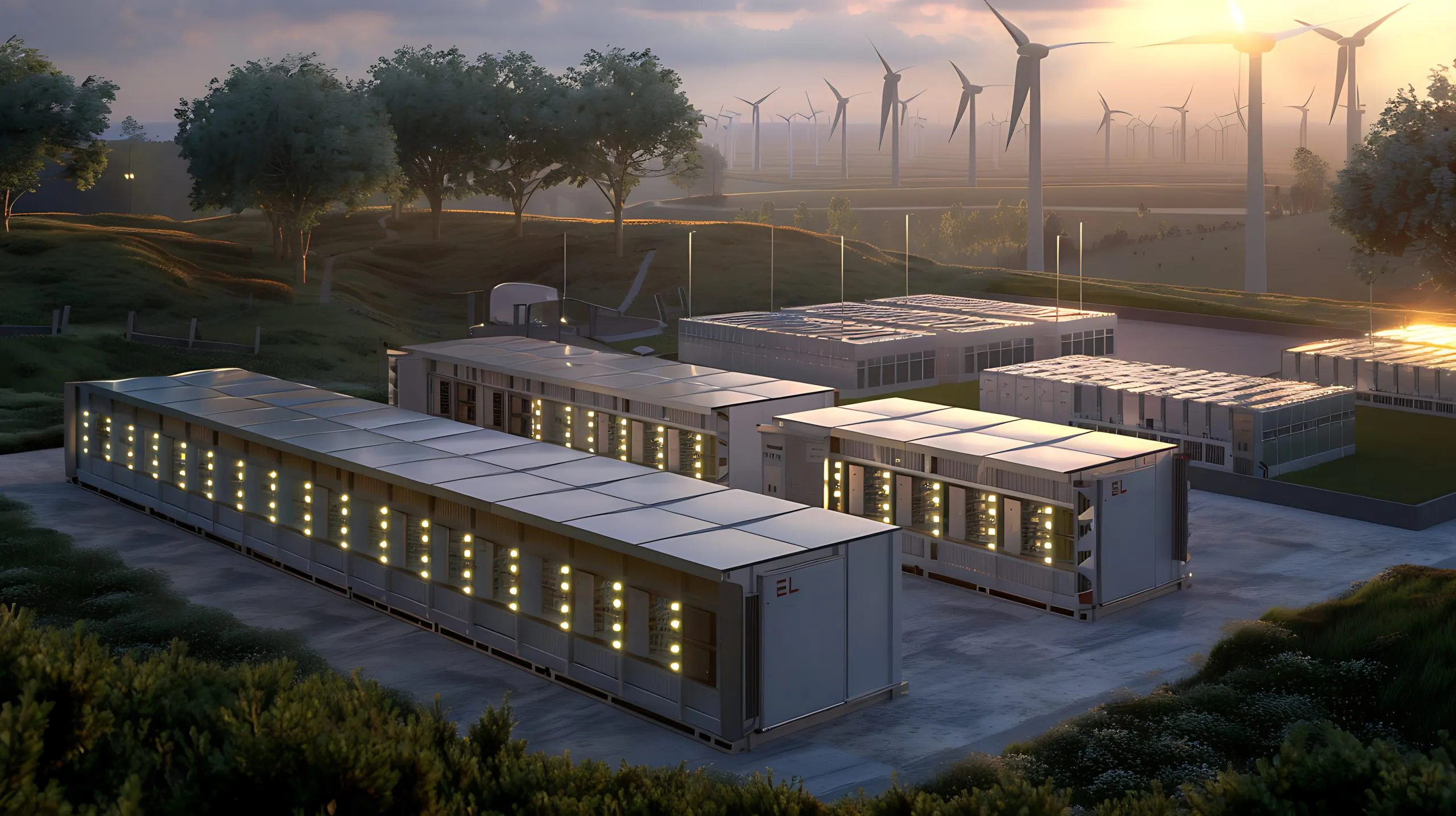
South Korea’s solar EPC (Engineering, Procurement & Construction) market is poised for growth as the country accelerates its transition to renewable energy. With limited domestic fossil fuel resources and a commitment to achieving carbon neutrality by 2050, solar power has become a strategic pillar of national energy planning. In 2025 alone, South Korea aims to install more than 20 GW of cumulative solar capacity, reflecting strong investor interest. The EPC segment, which encompasses project design, procurement of components, and construction, is central to translating ambitious targets into operational capacity.
Primary Factors Driving Market Growth
National Renewable Energy Targets
South Korea has set progressively ambitious renewable energy targets under its Renewable Energy 3020 Plan, aiming for 20% renewable generation by 2030, with solar contributing a significant share. These targets are a direct driver of demand for EPC services as developers accelerate project deployment. Large-scale utility PV, distributed generation, and floating solar represent multiple growth avenues. Solar capacity installations have grown from under 5 GW in 2017 to more than 15 GW by 2024, underlining the build‑out pace.
Cost Reductions and Financing Trends
Declining costs of photovoltaic modules and balance‑of‑system components have improved project economics in South Korea. As module prices fell globally by more than 80% over the past decade, solar projects increasingly offer competitive LCOE (Levelized Cost of Electricity) compared with traditional thermal generation. Financing structures have also matured, with domestic banks and institutional investors backing EPC contracts and turnkey solar projects. These financial dynamics incentivize EPC firms to scale operations and deliver standardized, cost‑efficient solutions.
Corporate and Industrial Demand
Large South Korean corporates are setting internal renewable procurement goals, often linked to ESG commitments. Heavy industries and tech manufacturers are signing power purchase agreements (PPAs) and exploring on‑site generation, further expanding the market for EPC services beyond traditional utility PV projects.
Government Policies and Strategic Initiatives Supporting the Market
The South Korean government supports solar deployment through feed‑in tariffs, renewable portfolio standards, and streamlined permitting for solar farms. Policy incentives include subsidies for residential and commercial solar installations, tax credits for green infrastructure, and grants for pilot technologies such as agrivoltaics and floating PV. These measures reduce upfront costs and de‑risk investment, encouraging EPC contractors and developers to undertake larger and more complex projects.
Competitive Landscape and Key Market Participants
The solar EPC market in South Korea comprises domestic firms and international players. Local engineering consultancies and construction companies are increasingly partnering with global module manufacturers to deliver turnkey solutions. Competition is anchored on cost efficiency, project delivery timelines, and technical expertise in site optimization. Strategic alliances, joint ventures, and integrated service offerings are common as firms seek to expand market share ahead of the 2030 and 2035 capacity milestones.
Key Challenges Impacting Market Growth
Grid Integration Constraints
One primary challenge is grid capacity and congestion in high‑demand regions. Integrating variable solar generation requires upgrades to transmission and distribution infrastructure, which can delay project commissioning and raise costs.
Land Scarcity and Site Approvals
Finding suitable land is difficult due to South Korea’s mountainous terrain and land price pressures. Complex permitting processes and local opposition can prolong project timelines, impacting EPC operations and margins.
Future Outlook
Through 2035, the South Korea solar EPC market is expected to expand steadily as national policies align with decarbonization goals. Floating solar, agrivoltaics, and hybrid renewable projects combining PV with energy storage will present new opportunities for EPC specialists. Demand for digital and automation solutions — such as AI‑driven design optimization and drone‑assisted construction monitoring — will rise. While grid integration and land constraints persist as hurdles, continued cost declines and supportive frameworks position the EPC sector for sustained growth over the next decade and beyond.
Consultants at Nexdigm, in their latest publication “South Korea Solar EPC Market Outlook to 2035,” analyze the sector by System Type (Utility-scale Solar Systems, Residential Solar Systems, Commercial Solar Systems, Rooftop Solar Systems), By Platform Type (On-grid Solar Systems, Off-grid Solar Systems, Hybrid Solar Systems), and By Fitment Type (Roof-mounted Solutions, Ground-mounted Solutions, Carport Solutions). Nexdigm suggests that businesses should adapt to evolving market dynamics, regulatory changes, and emerging technologies to stay competitive in the South Korea solar EPC market. This includes optimizing project execution, investing in scalable solutions, and forming strategic partnerships. Leveraging data-driven insights will help identify growth opportunities and mitigate risks in a rapidly changing energy landscape.
To take the next step, simply visit our Request a Consultation page and share your requirements with us.
Harsh Mittal
+91-8422857704