
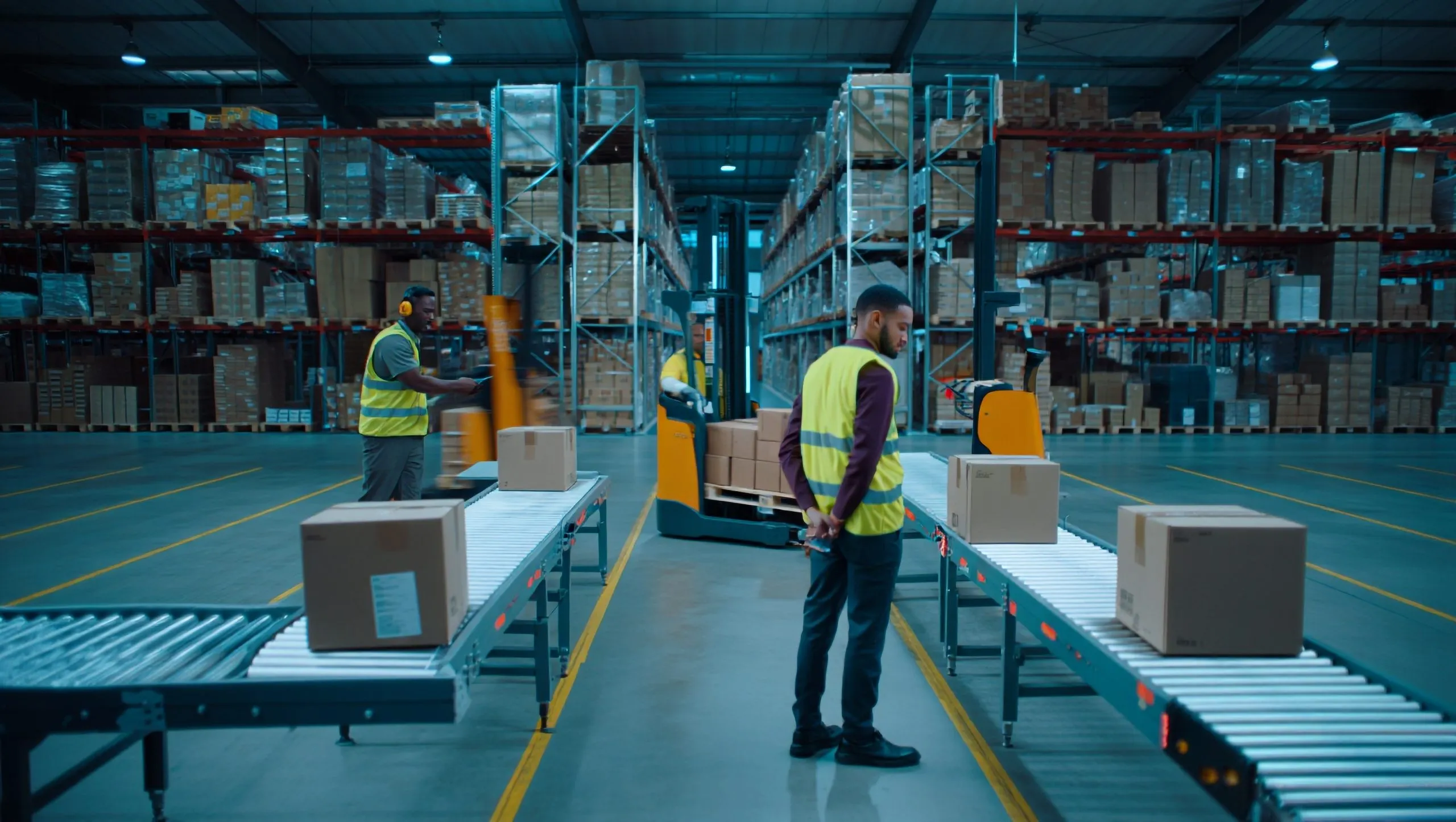
The third-party logistics (3PL) sector in Spain is positioned for steady expansion through the next decade and beyond as businesses increasingly outsource logistics functions to specialized providers. 3PL services encompass transportation, warehousing, inventory management and value‑added logistics that allow companies to optimize costs and focus on core operations. In 2025, the Spain 3PL market was valued at approximately USD 18.8 billion, with projections indicating continued growth driven by e‑commerce, supply chain optimization and regional trade flows.
Key Drivers Fueling Growth in Spain’s 3PL Market
E‑commerce and Retail Logistics
Rapid growth in online retail continues to be a key demand driver in Spain’s logistics landscape. Increased consumer expectations for faster delivery and order fulfilment have pushed companies to leverage 3PL networks for last mile distribution and multi‑channel fulfilment. Warehousing and value‑added services, such as packaging and reverse logistics, are becoming more integral to retail supply chains.
Supply Chain Complexity & Digitalization
Globalization of supply chains has raised complexity in multimodal transport, regulatory compliance, and inventory forecasting. Outsourcing to specialized 3PL providers equipped with digital tools like transportation management systems (TMS), warehouse management systems (WMS), artificial intelligence and Internet of Things (IoT) solutions enhances visibility, route optimization and responsiveness. This digital shift is attracting manufacturers and logistics users to 3PL partners to reduce operational friction.
Sector Specific Demand Growth
Certain industries, including food & beverages, pharmaceuticals and automotive, are driving tailored 3PL demand due to temperature-controlled handling, just‑in‑time delivery requirements and regulatory demands. For example, the pharmaceutical 3PL segment in Spain is expected to grow with significant revenue increases over the next decade.
Government Initiatives and Support for Spain’s 3PL Sector
Spanish logistics expansion benefits from national and EU initiatives aimed at modernizing transport infrastructure and digital freight documentation. Incentives in free trade zones reduce tariff and VAT burdens, enhancing Spain’s role as a logistics hub in Southern Europe. Progress on cross‑border digital freight standards also supports efficient supply chain operations.
Overview of the Competitive Landscape in Spain’s 3PL Market
The competitive landscape for Spain’s 3PL market comprises multinational logistics providers and regional specialists deploying advanced technology and integrated service capabilities. Global players that dominate European logistics also influence the Spanish market through established networks, digital platforms and sustainability programmers.
Key Challenges Facing Spain’s 3PL Market
Infrastructure Bottlenecks and Port Congestion
Despite strong infrastructure, certain Spanish ports and overland corridors face capacity constraints during peak periods, slowing freight movement and increasing costs for 3PL operators reliant on seamless modal transitions.
Talent Shortages and Technology Integration
Integrating advanced digital systems and maintaining skilled workforce competencies present ongoing challenges. 3PL providers must balance technology investments with workforce training to fully exploit automation, data analytics and real-time tracking across supply chains.
Future Outlook
Looking toward 2035, Spain’s 3PL sector is expected to grow in alignment with broader global logistics trends. Market estimates for Europe and Spain indicate expansion supported by e‑commerce penetration, nearshoring of manufacturing, and digital transformation of supply chains. The region’s role as a distribution gateway to Africa and the rest of Europe provides strategic advantages, while continued adoption of advanced logistics technologies will escalate operational efficiency. Strategic collaborations among carriers, 3PL operators and technology providers are likely to shape service offerings and competitive positioning throughout the next decade.
Consultants at Nexdigm, in their latest publication “Spain 3PL Market Outlook to 2035,” analyze the sector by System Type (Transportation Management Services, Warehousing and Distribution Services, Freight Forwarding Services, Integrated Logistics Solutions), By Platform Type (Road Transportation Platforms, Rail Freight Logistics Platforms, Air Cargo Logistics Platforms), and By Fitment Type (Dedicated Contract Logistics, Shared Warehouse Logistics, On Demand Logistics Services). Nexdigm suggests that businesses should adopt market-relevant strategies to effectively navigate the dynamic and rapidly evolving 3PL (Third-Party Logistics) landscape in Spain. As logistics continues to be a vital component of the supply chain, companies should focus on leveraging emerging technologies such as automation, AI, and IoT to optimize operations and reduce costs. Additionally, businesses are encouraged to understand regional market trends and align their logistics strategies with consumer demands, particularly in sectors like e-commerce, pharmaceuticals, and automotive. Tailored solutions and adaptive strategies will be essential for capitalizing on growth opportunities while managing the challenges posed by infrastructure limitations and workforce constraints. By staying agile and investing in innovation, companies can secure their position in Spain’s competitive 3PL market through 2035 and beyond.
To take the next step, simply visit our Request a Consultation page and share your requirements with us.
Harsh Mittal
+91-8422857704