
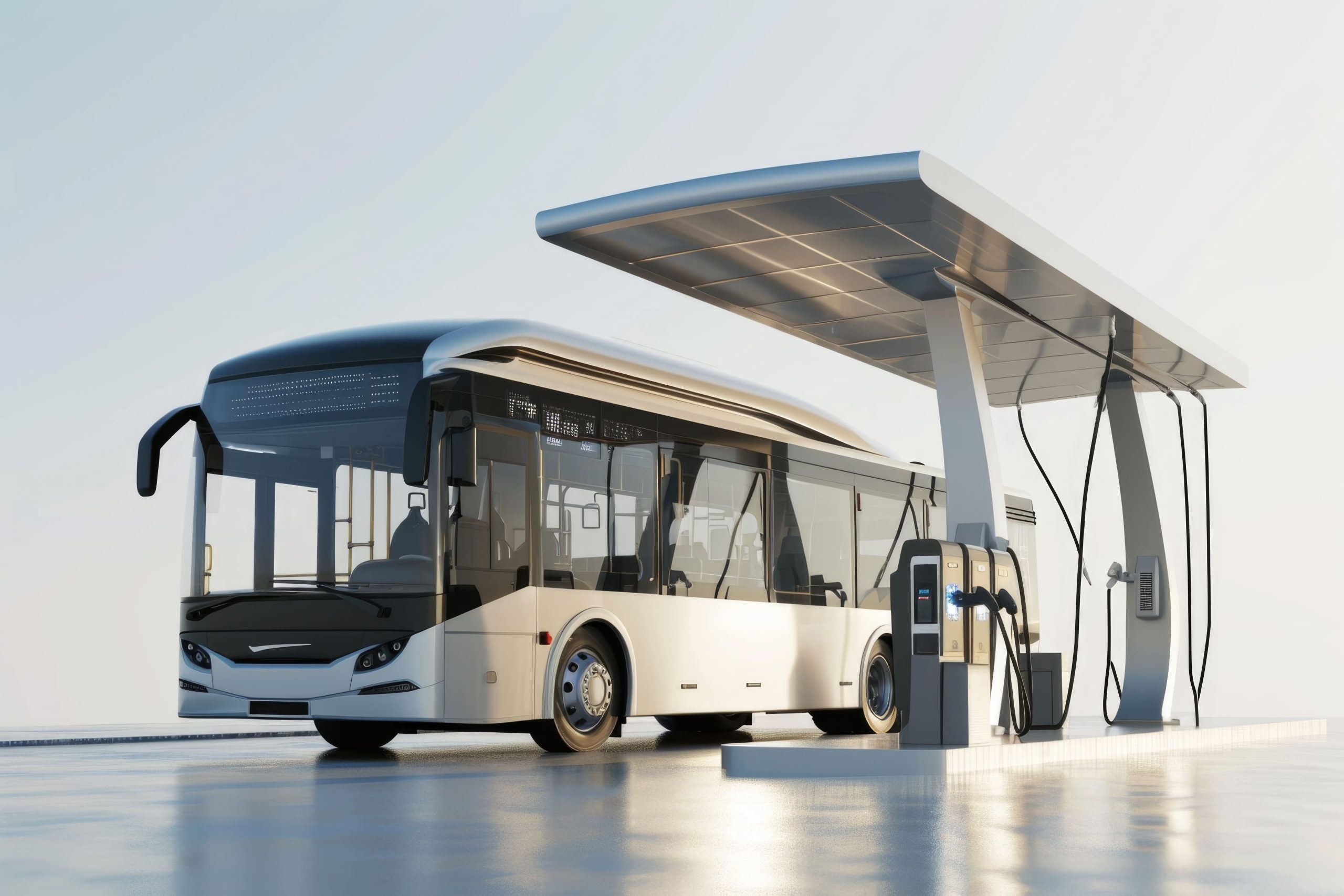
Spain’s public transport sector is moving through a meaningful shift as cities replace diesel-heavy bus fleets with cleaner electric alternatives. The push is not just about climate targets on paper. For city operators, electric buses also solve very practical problems such as rising fuel costs, tighter emissions rules, and growing public pressure for quieter, cleaner streets. By 2026, electric buses are no longer limited to pilot projects in Madrid or Barcelona. They are becoming a visible part of urban transport planning across a wider group of Spanish cities. That said, the market is still in a transition phase rather than full-scale maturity. Electric buses remain more expensive upfront than diesel models, and fleet operators are still working through charging schedules, depot upgrades, and route suitability. Even so, the direction is clear. Spain is likely to remain one of the more active electric bus markets in Southern Europe through 2035, especially as public funding, local manufacturing, and municipal procurement continue to align.
What’s Driving the Electric Bus Market in Spain?
Urban Air Quality and Emissions Pressure
A major reason behind electric bus adoption in Spain is simple: city air is under pressure. Madrid and Barcelona, like many European urban centers, have faced increasing scrutiny around transport emissions and air pollution. Diesel buses are a visible target, especially on dense urban routes where they operate for long hours in crowded districts. Electric buses offer a practical answer. They reduce tailpipe emissions to zero and cut down on noise, which matters more than it sounds on busy city corridors. For municipal authorities, switching buses is also one of the fastest ways to show progress on sustainability goals without asking commuters to change their daily travel habits.
Public Funding and Fleet Modernization
Fleet electrification in Spain would be moving much slower without public support. Municipal operators are working with tight budgets, and electric buses still demand a larger upfront investment than conventional alternatives. Funding from national transport programs and wider EU-backed mobility initiatives has helped close that gap. In practice, many cities are not replacing entire fleets at once. They are phasing in electric buses route by route, depot by depot. That staggered approach makes sense. It lowers operational risk and gives operators time to learn what works, especially when it comes to charging times, battery performance, and maintenance cycles. It is a less dramatic story than a full fleet conversion headline, but it is far more realistic.
Stronger Domestic and Regional Supply Base
Another factor helping the market is that Spain is not starting from scratch on the supply side. The country already has established bus manufacturing capabilities, and companies such as Irizar e-mobility have given local buyers a familiar and credible option. That matters because public transport agencies often prefer suppliers who can provide service support, spare parts, and technical training close to home. There is also a wider European supply network feeding into the Spanish market. Players like Solaris, MAN, BYD, and Iveco Bus are all competing for contracts. As competition deepens, buyers are getting more than just vehicles. They are being offered bundled charging systems, software, maintenance support, and battery management packages, which makes procurement decisions more sophisticated than they were even five years ago.
Government-Led Initiatives
Government policy has played a central role in shaping Spain’s electric bus transition. Much of the momentum comes from broader clean mobility plans rather than bus-only schemes, but the impact on public transport has been significant. Programs tied to sustainable urban mobility, emissions reduction, and EV charging infrastructure have made fleet electrification easier to justify financially. At the same time, regulation is doing part of the heavy lifting. Local authorities are under pressure to clean up transport emissions, and electric buses fit neatly into that agenda. On the ground, what matters most is not policy language but whether operators can secure funding, permits, and charging infrastructure fast enough to keep procurement moving.
Market Competition
The Spain electric bus market is moderately concentrated, with a handful of manufacturers shaping most major tenders. Key players include Irizar e-mobility, Solaris Bus & Coach, BYD, MAN, and Iveco Bus. Irizar holds a natural advantage in Spain because of its domestic base and established relationships with local operators. Still, competition is no longer just about who builds the bus. Operators increasingly care about battery warranties, charging compatibility, service uptime, and total operating cost over a decade or more. That shifts the market away from simple vehicle sales and toward long-term mobility contracts, which may favor players with stronger after-sales capabilities rather than just lower sticker prices.
High Upfront Infrastructure Costs
The biggest challenge in Spain’s electric bus market remains cost, especially outside the largest cities. Buying the buses is only one part of the equation. Operators also need charging stations, upgraded depots, grid connections, technician training, and often new software systems to manage energy use and scheduling. A common challenge is that smaller municipalities may want cleaner fleets but do not always have the capital or operational flexibility to electrify quickly. In some cases, the technology is ready before the local infrastructure is. That mismatch can slow adoption, even when political support is strong.
Future Outlook
Spain’s electric bus market has a solid runway through 2035, but growth will likely be uneven rather than perfectly smooth. Large cities will continue leading adoption, while mid-sized municipalities move at a more measured pace depending on funding and infrastructure readiness. Battery-electric buses are set to dominate most urban procurement, especially for city routes where range and charging windows are manageable. Over time, the market should become more practical and less experimental. Buyers will focus less on proving the concept and more on reducing lifecycle costs, improving depot efficiency, and extending battery performance.
Consultants at Nexdigm, in their latest publication “Spain Electric Bus Market Outlook to 2035”, analyze the market by Propulsion Type (Battery Electric Bus, Plug-in Hybrid Bus, Fuel Cell Electric Bus), By Bus Length (Below 9m, 9m-12m, Above 12m), By Application (Urban Transit, Intercity Transit, Airport Shuttle, Institutional Transport), and By End User (Municipal Operators, Private Fleet Operators, Airport & Institutional Authorities). Nexdigm believes businesses should focus on charging partnerships, dependable after-sales support, and route-specific fleet planning to stay competitive in Spain’s evolving electric bus market.
To take the next step, simply visit our Request a Consultation page and share your requirements with us.
Harsh Mittal
+91-8422857704