
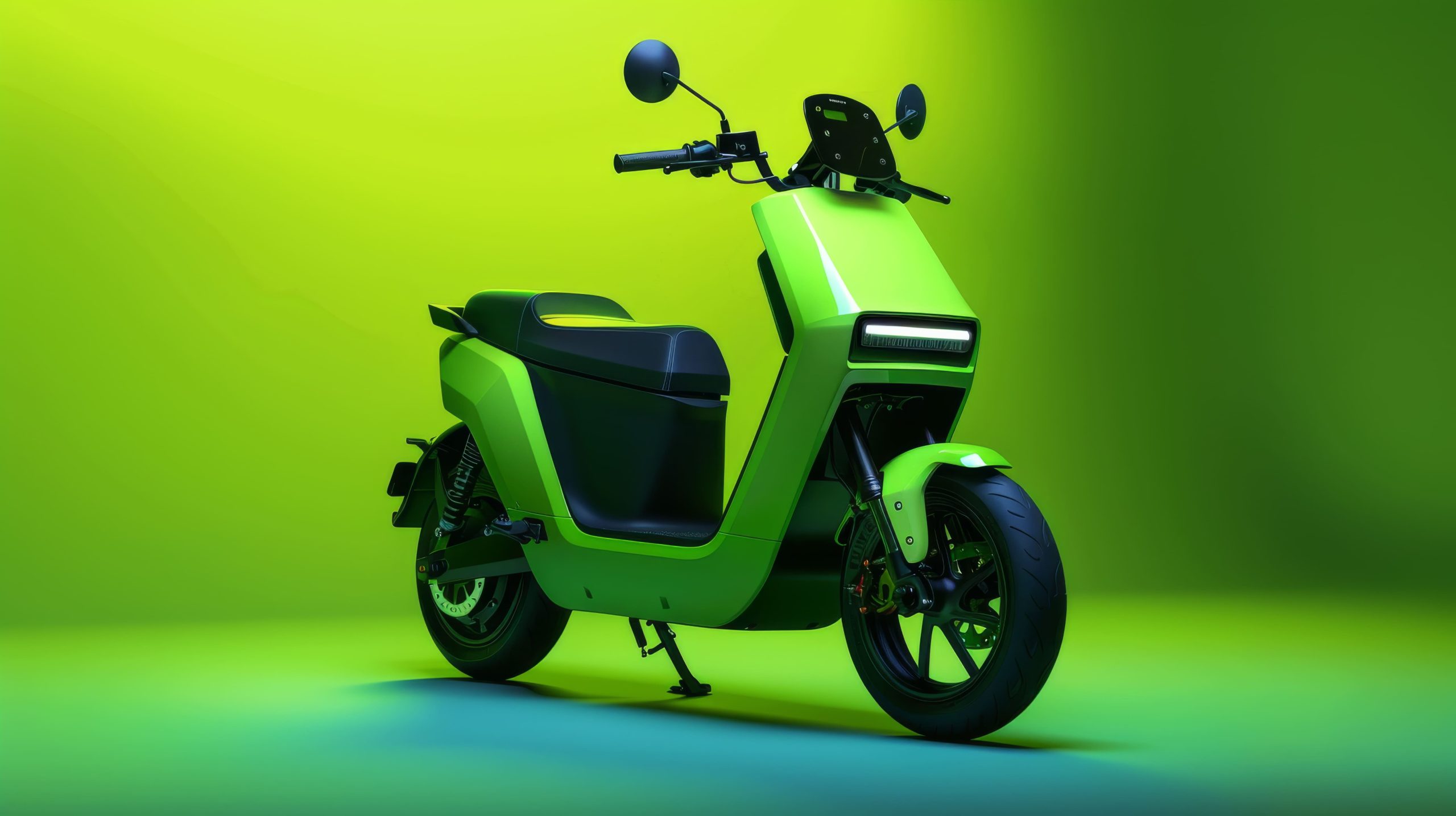
Spain’s electric two-wheeler market has quietly moved from niche adoption to something far more visible on city streets. Walk through parts of Barcelona or Madrid today and it is hard to miss the growing number of electric scooters weaving through traffic or lined up outside restaurants for deliveries. By 2026, the shift is no longer experimental. It reflects a mix of practical choices and policy pressure. Rising fuel prices, stricter emission zones, and the everyday frustration of urban commuting are nudging people toward lighter, cheaper alternatives. At the same time, improvements in battery performance and the rise of app-based mobility services have made electric two-wheelers far more usable than they were just a few years ago.
What’s Driving the Electric Two-Wheeler Market in Spain?
Urban Mobility Constraints and Cost Pressures
Spanish cities were not built for the level of car usage they now experience. Narrow streets, limited parking, and daily congestion have made commuting increasingly inefficient. In that context, electric scooters and mopeds offer a practical workaround rather than just a green alternative. For many riders, the appeal is simple: easier parking, lower running costs, and less time spent stuck in traffic. A mid-range electric scooter can cost a fraction to operate compared to a petrol vehicle over a year. That matters, especially for younger commuters and students who are more price-conscious and less attached to car ownership.
Expansion of Delivery and Fleet Usage
On the ground, one of the most visible shifts comes from delivery riders. Food delivery platforms and courier services have scaled rapidly across Spain, and their fleets are gradually transitioning toward electric models. The logic is straightforward. Fuel savings add up quickly when a vehicle runs all day, and electric scooters require less maintenance. Some companies have even started leasing fleets to riders, reducing the upfront burden. This segment often acts as an early adopter, and once riders get comfortable with electric vehicles at work, many consider them for personal use as well.
Technology Improvements and Practical Usability
A few years ago, range anxiety was a real concern. That is less of an issue today. Battery ranges have improved enough to comfortably handle daily urban travel, and removable battery systems have solved a major inconvenience for apartment residents. Instead of searching for charging stations, users can carry batteries indoors and charge them like any household device. While public charging networks are still uneven, especially outside major cities, the overall usability gap between electric and traditional two-wheelers has narrowed significantly.
Government-Led Initiatives Supporting Adoption
Public policy has played a meaningful role, though not always consistently. National and regional incentives have helped reduce purchase costs, particularly through subsidy programs tied to broader electric mobility goals. More importantly, cities are tightening access for high-emission vehicles. Low-emission zones in Madrid and Barcelona have made it harder and more expensive to use older petrol vehicles in central areas. This creates a subtle but powerful push toward electric alternatives. That said, subsidy schemes can be bureaucratic and slow to process, which sometimes dampens their immediate impact.
Market Competition and Brand Landscape
The competitive landscape is quite mixed, which makes the market interesting. Local player Silence has built a strong reputation, especially with its battery-swapping model that appeals to fleet operators. Meanwhile, Chinese brands such as NIU and Yadea are gaining traction with feature-rich scooters at competitive prices. At the premium end, BMW Motorrad caters to a smaller but growing segment that values performance and brand appeal. What stands out is the diversity of offerings. Buyers can choose between low-cost utility models and high-end connected vehicles, depending on their needs and budget. Distribution is also evolving, with online sales and subscription models slowly gaining acceptance.
Affordability and Infrastructure Gaps
Despite the progress, one persistent issue is the upfront cost. Electric two-wheelers still carry a price premium over petrol alternatives, which can be difficult to justify for many buyers without subsidies. Charging infrastructure presents another uneven picture. Major cities are relatively well covered, but smaller towns lag behind. In practice, this creates a split market where adoption is concentrated in urban areas while rural regions remain largely dependent on conventional vehicles.
Future Outlook
Looking ahead, the direction seems clear even if the pace may vary. Urban adoption will likely continue to grow, supported by tighter emission norms and changing consumer habits. Electric scooters and mopeds could become the default choice for city commuting rather than an alternative option. Fleet electrification, especially in delivery and shared mobility, will remain a key contributor to volume. At the same time, improvements in financing, resale markets, and battery standardization could make ownership more accessible.
Consultants at Nexdigm, in their latest publication “Spain Electric Two-Wheeler Market Outlook to 2035”, highlight segmentation by vehicle type, battery configuration, end user, and region. Their view is fairly pragmatic. Companies that focus on affordability, reliable after-sales support, and partnerships for battery solutions are more likely to succeed than those relying purely on premium positioning or technology features.
To take the next step, simply visit our Request a Consultation page and share your requirements with us.
Harsh Mittal
+91-8422857704