
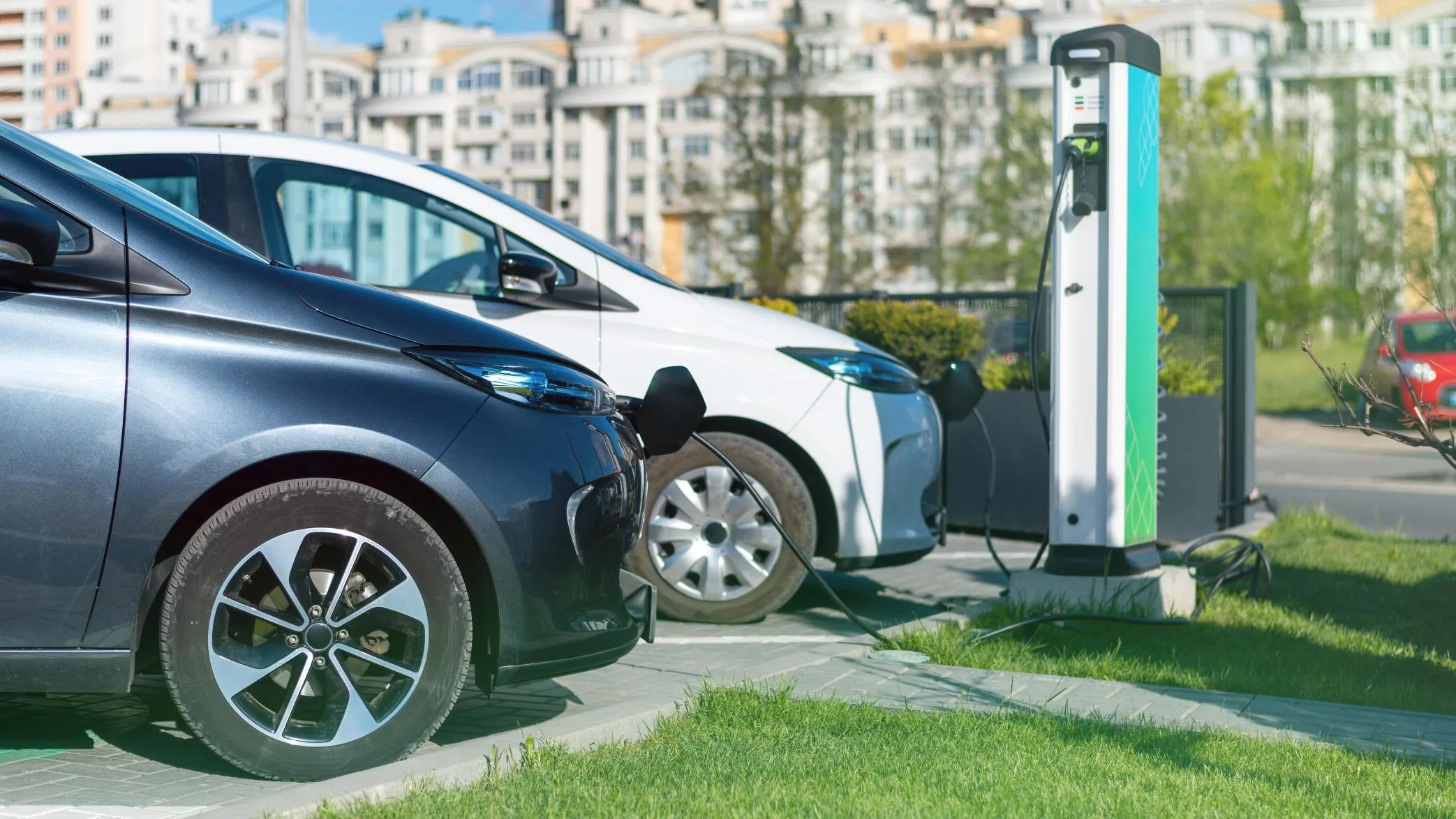
The electric vehicle (EV) market in Spain is in a growth phase, driven by increasing environmental awareness, policy support, and broader adoption of cleaner transport solutions. Sales of battery-electric vehicles (BEVs) and plug‑in hybrids have risen significantly in recent years, though Spain still trails the European average in EV adoption. In 2025, fully electric vehicles reached notable milestones in registrations, reflecting expanding consumer interest and a widening model range. Industry forecasts indicate that electrification will continue to accelerate toward 2035, supported by infrastructure expansion and strategic initiatives to decarbonize road transport.
Factors Fueling the Growth of the Electric Vehicle Market in Spain
Rising Consumer Demand
Consumer demand for electric vehicles in Spain has grown as awareness of climate change and fuel cost volatility increases. In 2025, Spain recorded a significant rise in all‑electric vehicle registrations, with quarterly deliveries up nearly 42% and BEVs establishing about a 9% share of new car registrations early in the year. Continued model availability improvements and range enhancements are helping to attract mainstream buyers.
Infrastructure Expansion
A robust charging network is critical for consumer confidence. The charging infrastructure market in Spain is projected to expand substantially, with some estimates showing a rise from under USD 4 billion in 2025 to nearly USD 14 billion by 2035, reflecting compound annual growth in accessible charging solutions across AC and DC technologies. This growth supports longer trips and reduces a range of anxiety for potential EV owners.
Regional and Fleet Adoption
Urbanization trends and updates in corporate sustainability strategies are encouraging fleet electrification across major cities and logistics operations. Expansion of ride‑sharing and car‑sharing EV fleets adds to unit volumes while contributing to reduced emissions in metropolitan areas.
Government Policies and Incentives Driving Electric Vehicle Adoption in Spain
Spain’s government continues to underwrite EV adoption through subsidy schemes and strategic investment plans. Recent initiatives include direct purchase incentives of up to €7,000 for BEVs under previous plans, and upcoming programmers like Plan Auto+ designed to streamline subsidies and deploy charging infrastructure. These measures are backed by multi‑year investments aimed at boosting EV uptake, expanding networks, and aligning domestic policy with broader EU decarbonization objectives.
Key Players and Strategic Dynamics in Spain’s Electric Vehicle Market
Spain’s EV market features a mix of international OEMs and emerging local players offering a growing portfolio of electric models. Leading global brands are introducing more competitive EV lineups to capture market share, while energy and infrastructure companies like Iberdrola and Endesa are investing in charging networks. OEM partnerships and strategic alliances with technology providers are increasingly important to support rapid scale‑up of supply chains and consumer offerings.
Key Obstacles Hindering the Growth of the Electric Vehicle Market in Spain
Infrastructure and Adoption Gaps
Despite progress, Spain’s EV adoption rate remains below the broader EU average, partly due to charging infrastructure gaps in rural regions and urban street parking challenges. The pace of charging point deployment remains a constraint in some areas, requiring sustained investment to support forecast EV volumes through 2035. Consumer affordability and lingering concerns about range and total cost of ownership also continue to temper faster uptake.
Future Outlook
Looking toward 2035, the Spanish EV market is poised for substantial expansion as both private and public sectors scale up electrification efforts. Projections suggest charging infrastructure markets could grow at double‑digit rates over the next decade, while policy alignment with EU climate goals will place increasing emphasis on zero‑emission mobility. Continued reduction in battery costs, broader model availability, and improvements in grid integration will support deeper penetration of electric vehicles. By 2035, EVs are expected to represent a significantly higher share of new vehicle sales, reinforcing Spain’s trajectory toward a low‑emission transport system.
Consultants at Nexdigm, in their latest publication “Spain Electric Vehicle Market Outlook to 2035,” analyze the sector by System Type (Battery Electric Vehicles (BEVs), Plug-in Hybrid Electric Vehicles (PHEVs), Hybrid Electric Vehicles (HEVs), Commercial Electric Vehicles), By Platform Type (Passenger Vehicles, Commercial Vehicles, Heavy-Duty Vehicles), and By Fitment Type (OEM Solutions, Aftermarket Solutions, Custom Fit Solutions). Nexdigm suggests that businesses should write market-relevant contexts to ensure they are addressing current trends, consumer needs, and regulatory changes effectively. By understanding the local dynamics and aligning their strategies with market realities, businesses can stay competitive and cater to the evolving demands of their target audience.
To take the next step, simply visit our Request a Consultation page and share your requirements with us.
Harsh Mittal
+91-8422857704