
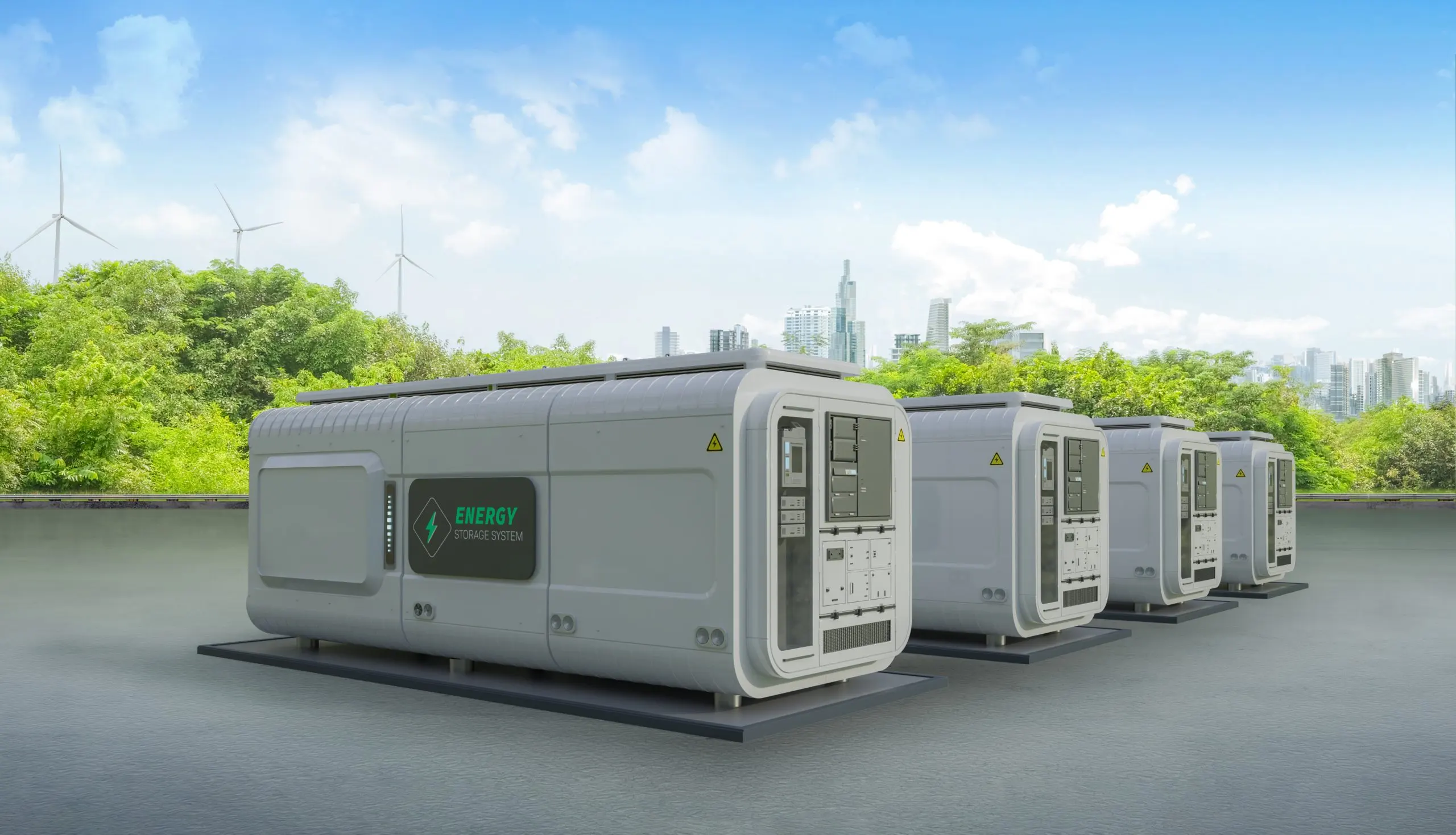
Spain’s energy storage market is poised for substantial expansion through 2035, driven by the accelerating shift toward renewable energy sources such as solar and wind. Installed energy storage capacity in the country reached approximately 1.97 GW in 2025 and is projected to grow to around 4.88 GW by 2035 at a CAGR of 9.5%. This growth reflects the need for solutions that can balance grid supply and demand, enhance reliability, and accommodate variable renewable production. Energy storage systems — especially battery energy storage systems (BESS) and utility‑scale installations — are increasing in strategic importance as Spain advances its decarbonization goals and grid modernization efforts.
Key Drivers Fueling Growth in Spain Energy Storage Market
Renewable Integration and Grid Stability
The rapid growth of renewable generation capacity in Spain is a central driver for energy storage deployment. Intermittent sources such as photovoltaic and wind require storage capacity to smooth output, reduce volatility, and improve grid reliability. Spain’s targets under its National Integrated Energy and Climate Plan include substantial increases in renewable capacity by 2030, intensifying the need for storage systems to manage excess generation and demand balancing.
Cost Reductions and Technology Advancements
Technological improvements, particularly in lithium‑ion battery chemistry, have reduced system costs while improving efficiency and scalability. These advancements make energy storage more economically viable across residential, commercial, and utility applications. Enhanced battery management systems further optimize charging/discharging cycles and extend lifecycle performance, supporting wider adoption.
Demand for Energy Security and Grid Flexibility
Growing consumer and industrial demand for energy independence and uninterrupted power supply is propelling storage uptake. Following grid disturbances, policy focus has shifted toward resilient infrastructure, making storage solutions critical for peak shaving, frequency regulation, and emergency backup services.
Government Policies and Initiatives Driving Energy Storage Adoption in Spain
The Spanish government has implemented incentives and regulatory frameworks to encourage deployment of energy storage technologies, including support through renewable energy and grid modernization programmers. Subsidies totaling approximately €1.2 billion have been allocated to smart grid and renewable infrastructure, enhancing private investment in storage projects. Under recent integrated energy strategies, Spain has also set ambitious storage capacity targets for 2030, reflecting its commitment to clean energy and grid resilience.
Key Players and Market Dynamics in Spain’s Energy Storage Sector
The Spain energy storage market features a mix of multinational technology providers and specialized energy firms. Key players with significant market influence include large manufacturers of battery systems and integrated grid solutions. Established global companies are active in utility‑scale and distributed storage deployments, collaborating with utilities and project developers to introduce advanced storage technologies and capture increasing demand across sector segments. Competitive dynamics are shaped by innovation in battery performance, cost efficiency, and system integration.
Key Obstacles Facing Spain Energy Storage Industry
High Upfront Costs
Despite long‑term operational benefits, the capital expenditure required for energy storage infrastructure remains significant, particularly for residential and small business segments, limiting broader adoption.
Regulatory and Grid Integration Barriers
Complex regulatory frameworks and evolving interconnection standards create uncertainty for developers, with permitting processes and grid access procedures slowing project deployment. Discrepancies between national and regional policy approaches add further implementation challenges.
Future Outlook
Through 2035, Spain’s energy storage market is expected to continue its upward trajectory as renewable capacity expands, and grid modernization becomes more urgent. Growth will be supported by continued cost declines in battery technology, increasing private and public investment, and the integration of storage at multiple scales, from residential systems to large utility projects. Enhanced energy security and flexibility will position Spain as a leading European market for storage solutions, contributing to decarbonization and resilience objectives. Ongoing innovation and policy refinements will be critical in sustaining this long‑term expansion.
Consultants at Nexdigm, in their latest publication “Spain Energy Storage Market Outlook to 2035,” analyze the sector by System Type (Battery Storage Systems, Thermal Energy Storage Systems, Flywheel Energy Storage Systems, Hydropower Storage Systems), By Platform Type (Residential Storage Systems, Commercial Storage Systems, Industrial Storage Systems), and By Fitment Type (On-grid Storage Solutions, Off-grid Storage Solutions, Hybrid Storage Solutions). Nexdigm suggests that businesses should focus on understanding the evolving regulatory landscape, invest in cutting-edge storage technologies, and foster strategic collaborations with key stakeholders across the energy ecosystem. By doing so, companies can effectively capitalize on the increasing demand for energy storage solutions in Spain, while also overcoming challenges such as high upfront costs and regulatory hurdles.
To take the next step, simply visit our Request a Consultation page and share your requirements with us.
Harsh Mittal
+91-8422857704