
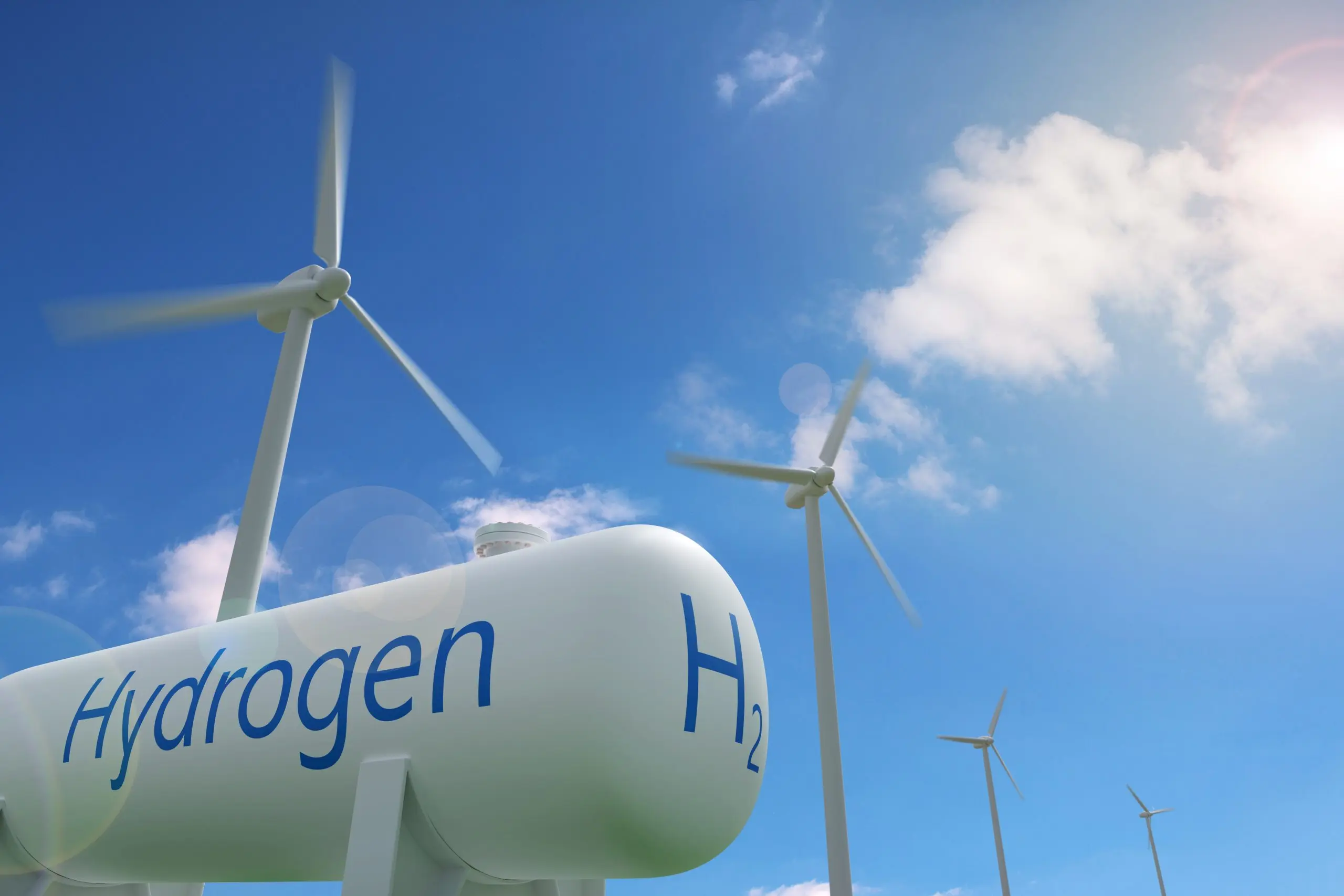
Spain is emerging as a focal point for green hydrogen development within Europe’s decarbonization agenda. Green hydrogen—produced via renewable energy‑driven electrolysis—offers a zero‑carbon alternative for hard‑to‑abate sectors such as heavy industry, transport and power generation. With abundant solar and wind resources and strong policy backing, Spain is positioning itself to significantly expand both capacity and market activity through 2035. National strategies and EU targets have accelerated investments in infrastructure and production, underscoring the nation’s commitment to a hydrogen‑based energy transition.
Key Drivers Fueling Spain Green Hydrogen Market Growth
Renewable Resource Advantage
Spain’s extensive solar and wind energy potential underpins green hydrogen production economics. Renewable capacity growth supports low‑cost electricity supply for electrolyzes, which is crucial given that electricity accounts for the bulk of hydrogen production cost. Targets for electrolyze capacity have been progressively raised, with plans to install up to 12 GW by 2030 under updated climate frameworks—up from earlier targets of 4 GW—highlighting ambition to scale production significantly.
Policy and Regulatory Alignment
European Union decarbonization frameworks and Spain’s Integrated National Energy and Climate Plan (PNIEC) have provided structural direction and investment incentives. These policies aim to replace a portion of fossil‑based hydrogen consumption with green alternatives and link hydrogen strategy with broader energy security and industrial policy. Spain’s adoption of guarantees of origin mechanisms for low‑carbon gases also aims to facilitate market confidence and cross‑border trade.
Industrial and Transport Demand Growth
Green hydrogen demand is expected to rise in industrial applications—especially in refining, chemicals and steel—where direct electrification is challenging. Transportation sectors, including heavy‑duty vehicles and rail, increasingly look to hydrogen fuel cells as an emission‑free alternative, further expanding market prospects.
Government Support and Strategic Initiatives Driving Green Hydrogen Development
The Spanish government has made green hydrogen a central part of its climate strategy, committing to the large-scale deployment of electrolyzes, fiscal incentives, and infrastructure development to meet EU decarbonization targets. They also support public-private partnerships and align funding with EU initiatives to speed up the commercial rollout of hydrogen projects. This collaborative approach is designed to boost innovation and create a strong foundation for the green hydrogen economy in Spain.
Overview of Key Players and the Competitive Landscape in Spain Green Hydrogen Market
Spain’s green hydrogen market is home to major energy and infrastructure companies like Iberdrola, Acciona, Enagas, and Moeve, all investing in electrolysers, storage systems, and project development. The competitive landscape is shaped by technological innovations, collaborations on large-scale hydrogen hubs, and the integration of hydrogen with renewable energy portfolios. These efforts are accelerating the country’s push toward a sustainable, hydrogen-powered future.
Key Challenges Facing the Growth of Spain Green Hydrogen Market
High Production and Infrastructure Costs
Green hydrogen production remains cost‑intensive relative to fossil‑based alternatives, largely due to electricity and electrolyzing capital costs. Building the required infrastructure for transport, storage and distribution adds layers of expenditure that challenge near‑term economics.
Market Demand and Implementation Gaps
Despite policy momentum, effective offtake frameworks and sustained demand from end‑users are essential. Without robust commercial demand and market signals, project development may be delayed or scaled back, reflecting broader concerns about implementation pace across Europe.
Future Outlook
Through 2035, Spain’s green hydrogen market is expected to scale substantively as policy support, renewable capacity and industrial demand converge. With ambitious electrolyze targets and integration into European energy networks, the country could become both a domestic supplier and an exporter of low‑carbon hydrogen. Continued technological improvements and cost reductions will be key to commercial viability. If infrastructure and market frameworks mature as intended, green hydrogen will play a central role in Spain’s decarbonization strategy and industrial competitiveness by 2035.
Consultants at Nexdigm, in their latest publication “Spain Green Hydrogen Market Outlook to 2035,” analyze the sector by System Type (Electrolyzes, Hydrogen Storage Solutions, Fuel Cells, Distribution and Transport Systems), By Platform Type (Onshore Platforms, Offshore Platforms, Mobile Platforms), and By Fitment Type (On-site Systems, Centralized Systems, Portable Systems). Nexdigm suggests that businesses should focus on developing a deep understanding of the market dynamics and regulatory environment while aligning their strategies with the growing demand for sustainable energy solutions. This includes exploring the potential of green hydrogen, identifying investment opportunities, and collaborating with government initiatives to maximize long-term growth prospects. Additionally, businesses should stay agile and proactive in addressing the high production costs and infrastructure challenges that could impact market expansion.
To take the next step, simply visit our Request a Consultation page and share your requirements with us.
Harsh Mittal
+91-8422857704