
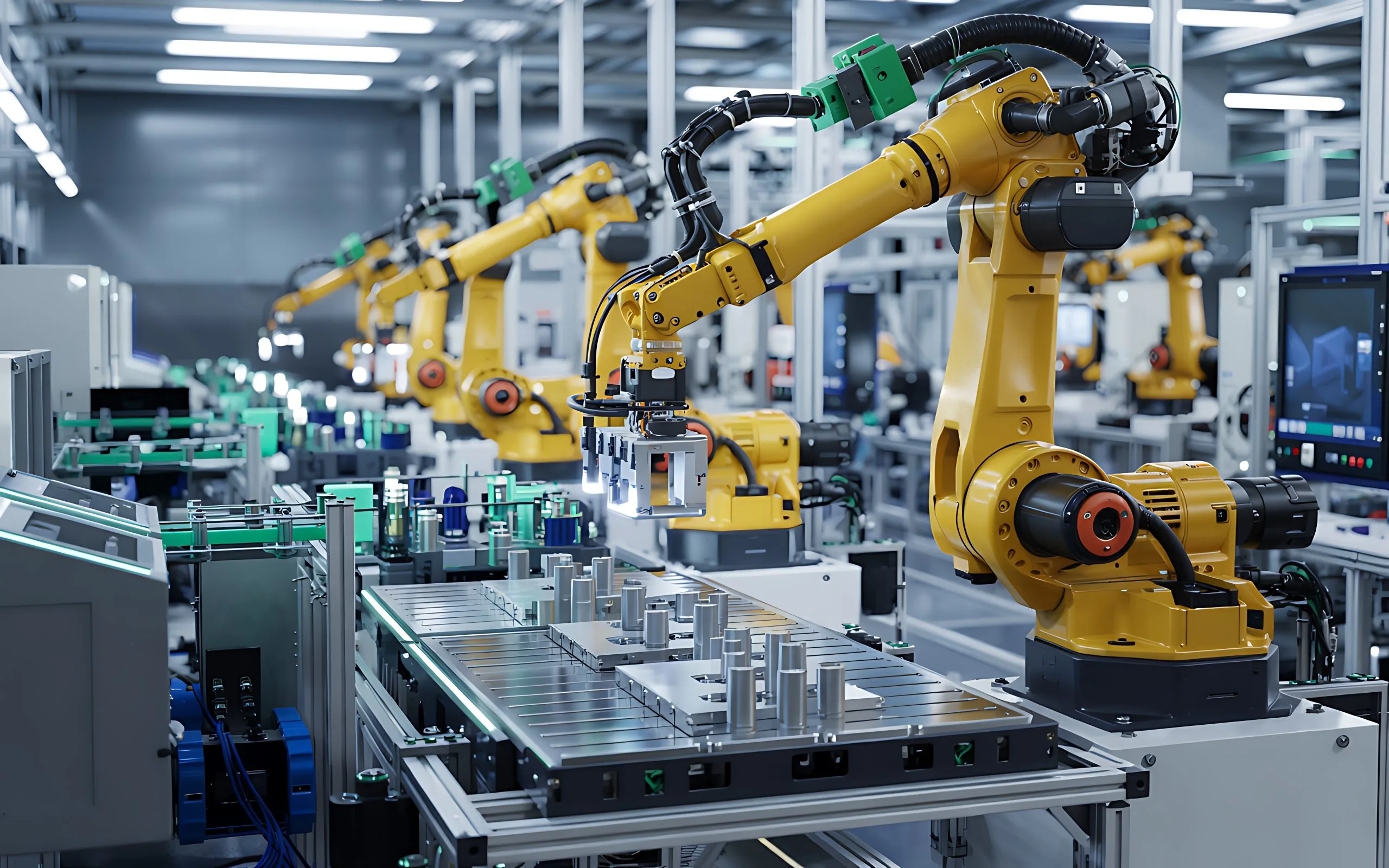
The Spain industrial automation market is positioned for sustained expansion through the next decade, driven by rising adoption of robotics, artificial intelligence (AI), and Internet of Things (IoT) technologies across manufacturing and process industries. In 2024, the market was valued at approximately USD 4.04 billion and projected to grow robustly as businesses embrace digital transformation to enhance productivity, reduce costs, and improve quality.
Key Drivers Fueling Growth in Spain’s Industrial Automation Market
Industry 4.0 Adoption
Industry 4.0 technologies are core to automation growth in Spain. Firms across automotive, electronics, and food & beverage are increasingly integrating advanced robotics, smart sensors, and connected systems to streamline operations. This demand for digitalized production is driven by the need to optimize throughput and reduce downtime, particularly as global competition intensifies.
Operational Efficiency and Cost Reduction
Manufacturers are investing in automation to improve operational efficiencies and lower labor-intensive costs. Automated control systems, predictive maintenance tools, and AI-enabled monitoring solutions help reduce waste, improve uptime, and maintain consistent product quality. As a result, automation deployment has become a strategic priority to sustain profitability and meet stricter quality benchmarks.
Sustainability and Environmental Compliance
Environmental regulations and corporate sustainability goals are influencing automation of investments. Automated systems enable more precise energy utilization and waste tracking, helping companies meet regulatory standards and reduce their carbon footprint. This alignment with sustainability agendas is expected to further accelerate adoption of efficient automation solutions.
Government Programs and Initiatives Boosting Industrial Automation in Spain
The Spanish government has been promoting digital transformation through initiatives such as the National Industry 4.0 Plan and related digital agendas aimed at enhancing industrial competitiveness. These programs support R&D, incentivize technology adoption, and foster innovation ecosystems that accelerate automation uptake across sectors.
Overview of Key Players and Competitive Dynamics in Spain’s Industrial Automation Market
The industrial automation ecosystem in Spain consists of a mix of global technology providers and specialized local integrators. Major players in automation hardware and software — including robotics suppliers and industrial control system vendors — compete to serve key industrial verticals. This competitive environment drives technological innovation and service differentiation to meet evolving customer requirements.
Challenges Hindering the Growth of Industrial Automation in Spain
High Implementation Costs
Despite clear benefits, the upfront cost of automation solutions remains a barrier for small and medium enterprises (SMEs). Significant capital expenditure for robotics, control systems, and integration services can delay investment decisions, especially in cost-sensitive segments.
Skill Gaps and Workforce Adjustment
Automation deployment highlights the need for skilled personnel capable of managing and maintaining advanced systems. Spain faces challenges in bridging workforce skill gaps, which may slow implementation and operational scaling if training and education do not keep pace with technology adoption.
Future Outlook
The Spain industrial automation market is expected to maintain a growth trajectory through 2035 as companies continue digital transformation initiatives and expand smart manufacturing frameworks. While forecasts vary by source, broader global automation market trends suggest sustained double‑digit growth rates driven by increased connectivity, AI integration, and demand for intelligent manufacturing environments. Spain’s position within the European industrial landscape is likely to strengthen as automation adoption deepens across sectors, supporting resilience and competitiveness in a shifting global economy.
Consultants at Nexdigm, in their latest publication “Spain Industrial Automation Market Outlook to 2035,” analyze the sector by System Type (Robotic Systems, Supervisory Control and Data Acquisition (SCADA), Programmable Logic Controllers (PLC), Distributed Control Systems (DCS)), By Platform Type (Cloud Platforms, Edge Computing Platforms, On-premise Platforms), and By Fitment Type (Retrofitting Solutions, New Installations, System Upgrades). Nexdigm suggests that businesses should embrace industrial automation, leveraging technologies like IoT, AI, and robotics to stay competitive in a digital economy. By adopting these innovations, companies can boost efficiency, reduce costs, and meet regulatory requirements. They also highlight Spain’s favorable environment, supported by government initiatives that encourage digital transformation. This strategy helps businesses remain agile, drive growth, and maintain a competitive edge in the long term.
To take the next step, simply visit our Request a Consultation page and share your requirements with us.
Harsh Mittal
+91-8422857704