
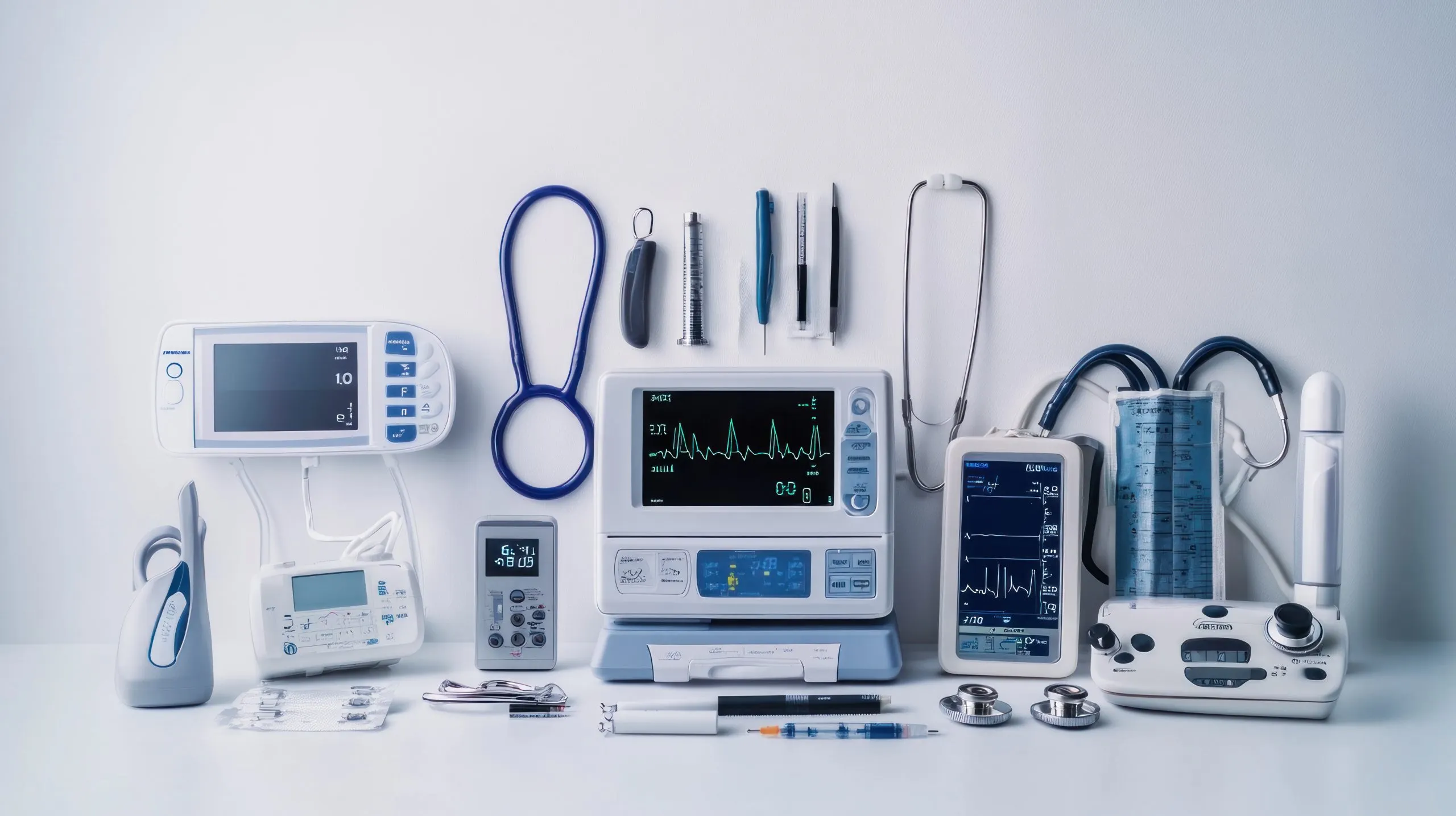
Spain’s medical devices market is growing at a steady pace, supported by increasing healthcare needs, innovation, and a well-developed healthcare system. Valued at around USD 13–14 billion in recent years, the market is expected to nearly double, growing at approximately 6–6.5% CAGR. This reflects the rising adoption of advanced diagnostic and treatment technologies across hospitals and clinics. Being part of Europe’s strong MedTech ecosystem also strengthens Spain’s position. As healthcare delivery evolves, medical devices are becoming essential for improving patient outcomes and operational efficiency. This steady growth highlights the market’s importance within Spain’s broader healthcare sector.
Major Drivers Shaping Spain Medical Devices Market Growth
Increasing Disease Burden
Spain’s aging population is one of the most important factors driving demand for medical devices. With more than one-fifth of the population aged 65 and above, the need for healthcare services continues to rise. Chronic conditions such as heart disease, diabetes, and cancer require ongoing monitoring and treatment, increasing reliance on medical technologies. This trend is pushing healthcare providers to adopt more advanced and efficient devices. As life expectancy continues to increase, long-term care solutions will become even more critical. This demographic shift ensures consistent demand for innovative medical devices over the coming years.
Rapid Technological Advancements in MedTech
Technological innovation is transforming how healthcare is delivered in Spain. The adoption of AI-based diagnostics, minimally invasive surgical tools, and wearable monitoring devices is improving both efficiency and patient outcomes. Hospitals are increasingly investing in modern equipment to stay competitive and enhance care quality. Digital health solutions, including telemedicine and connected devices, are also gaining traction. These advancements are helping reduce hospital stays and improve treatment precision. Continued innovation will remain a key growth driver for the market.
Growing Healthcare Spending and Infrastructure Expansion
Spain continues to invest significantly in healthcare, enabling the adoption of advanced medical devices. Increased funding supports hospital upgrades, new healthcare facilities, and improved access to care. Major cities such as Madrid and Barcelona are leading in terms of infrastructure and technology adoption. Additionally, the shift toward outpatient and home-based care is creating demand for portable and remote monitoring devices. This expansion of healthcare infrastructure is directly contributing to market growth. Sustained investment will be crucial for maintaining this momentum.
Government Support boosting Spain’s Medical Device Market
The Spanish government plays an important role in regulating and supporting the medical devices market. Alignment with European Union regulations ensures high standards for safety, quality, and performance. While compliance requirements can be strict, they also build trust among healthcare providers and patients. Public healthcare funding supports the procurement of advanced technologies across the system. In addition, ongoing digital health initiatives are encouraging modernization and innovation. These regulatory and policy frameworks provide a stable environment for market growth.
Competitive Landscape of Spain’s Medical Devices Industry
Spain’s medical devices market is highly competitive, with a mix of global corporations and local companies operating across various segments. Large multinational firms dominate high-tech categories, while smaller players contribute to niche innovations. The presence of over a thousand companies creates a dynamic and diverse market environment. Competition is largely driven by innovation, pricing, and distribution capabilities. Hospitals and healthcare providers often partner with established brands for reliability and support. This competitive landscape encourages continuous advancement in medical technologies.
Challenges Impacting Spain Medical Devices Market
Regulatory Complexity and Compliance Pressure
Strict regulatory requirements, particularly under European frameworks, can create challenges for manufacturers entering the market. Compliance processes may increase costs and extend product approval timelines. Smaller companies may find it difficult to navigate these requirements effectively. While these regulations ensure safety and quality, they can also slow down innovation. Addressing these barriers will be important to maintain a balanced and competitive market environment.
Pricing Pressure and Cost Sensitivity
Spain’s healthcare system places strong emphasis on cost efficiency, which can lead to pricing pressure for medical device manufacturers. Hospitals often prioritize affordability when making procurement decisions. This can limit profit margins and affect investment in innovation. Intense competition further adds to pricing challenges across the market. Balancing cost and technological advancement remains a key concern for industry players.
Future Outlook
Looking ahead, Spain’s medical devices market is expected to experience steady and sustained growth in the coming years. Increasing demand for advanced healthcare solutions, combined with ongoing technological innovation, will continue to drive expansion. The market is likely to see greater adoption of digital health tools, AI-driven diagnostics, and minimally invasive technologies. Home healthcare and remote monitoring solutions will also gain importance as care models evolve. Spain’s strong healthcare system and continued investment provide a solid foundation for future growth. Overall, the market is well positioned to adapt to changing healthcare needs and technological advancements.
Consultants at Nexdigm, in their latest publication Spain Medical Devices Market Outlook 2035, analyze the sector by System Type (Teleconsultation Services, Remote Patient Monitoring Systems, Telemedicine Software Platforms, Mobile Health Applications and Telemedicine Integration Systems), by End User Segment (Hospitals, Clinic and Healthcare Providers and Patients).
Nexdigm suggests that businesses should consider partnerships with local manufacturers to reduce costs and align with government initiatives promoting domestic production. Strengthening regulatory knowledge and building relationships with key stakeholders in the healthcare sector will also be essential for navigating the complexities of Spain’s medical devices market.
To take the next step, simply visit our Request a Consultation page and share your requirements with us.
Harsh Mittal
+91-8422857704