
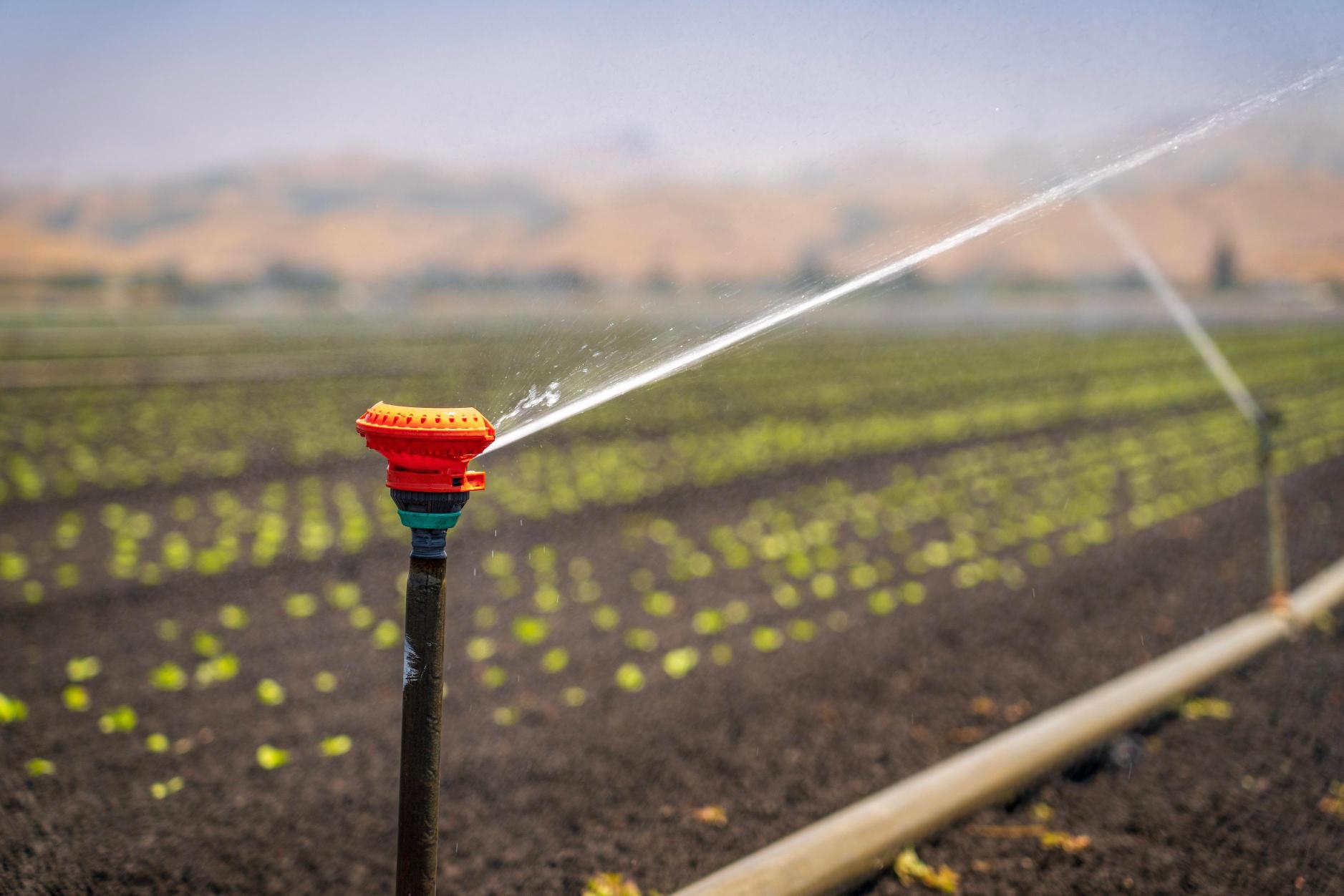
Spain micro irrigation systems industry has become a critical component of modern agriculture, helping farmers maximize crop yields while conserving water resources. The sector was valued at approximately USD 1.42 billion and is expected to expand steadily, supported by increasing adoption of precision farming technologies and growing concerns about water scarcity. Regions such as Almería and the Ebro Valley have emerged as important centers for advanced irrigation deployment. With prolonged droughts and rising demand for sustainable agriculture, growers are increasingly investing in drip irrigation, automated controls, and sensor-based systems to improve water-use efficiency and farm productivity.
Market Drivers Advancing Spain Micro Irrigation Systems Growth
Rising Water Scarcity Driving Technology Adoption
Spain is among Europe’s most water-stressed agricultural nations, making efficient irrigation a necessity rather than an option. Frequent drought conditions and irregular rainfall patterns have encouraged farmers to shift from conventional flood irrigation to micro irrigation solutions. Drip irrigation systems can reduce water consumption by 30% to 50% compared to traditional methods while maintaining or improving crop yields. This benefit is particularly valuable for high-value crops such as fruits, vegetables, olives, and vineyards.
Growing Adoption of Precision Agriculture
The increasing use of precision agriculture technologies is accelerating industry expansion. Farmers are integrating soil moisture sensors, automated controllers, weather-based monitoring systems, and IoT-enabled emitters to optimize irrigation schedules. These systems help deliver the right amount of water at the right time, reducing waste and improving crop performance. Automated irrigation has become especially popular in greenhouse cultivation clusters, where efficiency and consistency are critical for export-oriented production.
Expansion of High-Value Crop Cultivation
Spain is a leading producer and exporter of horticultural products in Europe. The growth of greenhouse farming in Almería and the modernization of orchards across the Ebro Valley are creating strong demand for advanced irrigation infrastructure. As growers focus on improving quality and productivity, investments in filtration technologies, pressure-compensating drippers, and smart irrigation networks continue to increase. This trend is strengthening the overall sector and encouraging innovation among equipment manufacturers.
Government Initiatives Supporting Spain Micro Irrigation Systems Sector
The Spanish government and European Union authorities actively support efficient water management through agricultural modernization programs. Funding under the Common Agricultural Policy (CAP) encourages adoption of resource-efficient irrigation equipment. In addition, regulations aligned with the EU Water Framework Directive promote sustainable water usage and infrastructure upgrades. Financial incentives, modernization grants, and regional agricultural development initiatives are helping farmers adopt advanced micro irrigation technologies while reducing environmental impact.
Competitive Landscape of Spain Micro Irrigation Systems Industry
The industry features a mix of domestic manufacturers and international irrigation technology providers. Companies such as Azud, headquartered in Murcia, have established strong market positions through innovations in filtration systems and smart irrigation solutions. Other participants compete through advanced drip irrigation products, IoT-enabled monitoring platforms, and customized irrigation networks. Continuous investments in product development, water-saving technologies, and digital agriculture solutions are shaping competitive dynamics across the sector.
Challenges Impacting Spain Micro Irrigation Systems Industry
High Initial Installation Costs
Despite long-term benefits, the upfront investment required for micro irrigation infrastructure remains a challenge for small and medium-sized farms. Costs associated with drip lines, filtration units, sensors, and automation systems can slow adoption in budget-sensitive operations.
Maintenance and Technical Complexity
Advanced irrigation systems require regular maintenance to prevent emitter clogging, optimize performance, and ensure accurate monitoring. Limited technical expertise in certain farming communities can create operational challenges and increase maintenance expenses.
Future Outlook
Smart Irrigation Solutions to Gain Momentum
The future of Spain’s micro irrigation systems sector will be shaped by greater adoption of artificial intelligence, IoT connectivity, and data-driven irrigation management. Smart systems capable of real-time monitoring and automated decision-making are expected to improve water efficiency and productivity.
Consultants at Nexdigm, in their latest publication “Spain Micro Irrigation Systems Market Outlook to 2035 ,” analyze the sector By (Define Micro-Irrigation Technical Scope, Top-Down Aggregate Demand Sizing, Bottom-Up Farm Acreage Analysis, Secondary Data Ministry Review, Regional Irrigation Association Interviews).
Nexdigm suggests that businesses in the Spain Micro Irrigation Systems Industry prioritize investments in drip irrigation, automated sensor-based systems, and precision water management solutions to improve agricultural efficiency, conserve water resources, and support sustainable crop production amid increasing drought and climate challenges.
To take the next step, simply visit our Request a Consultation page and share your requirements with us.
Harsh Mittal
+91-8422857704