
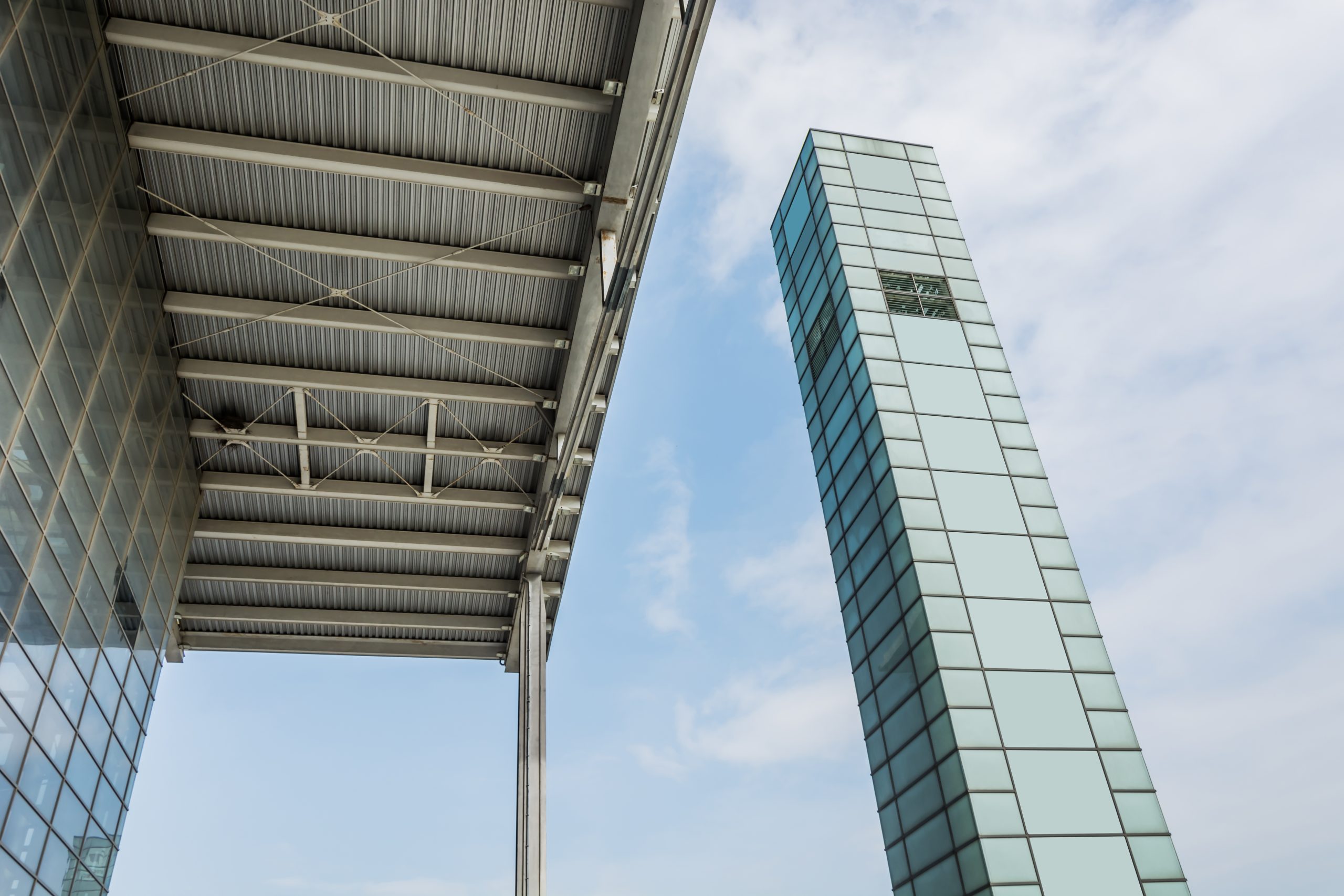
The Spain rainscreen cladding market is gaining momentum as the construction industry increasingly focuses on energy efficiency, sustainable building materials, and modern architectural designs. Rainscreen cladding systems offer effective protection against moisture, improve thermal performance, and enhance the exterior appearance of residential, commercial, and institutional buildings. Growing renovation activities, urban development, and stricter building energy-efficiency requirements are creating new opportunities for manufacturers and suppliers. By 2035, the market is expected to benefit from the rising adoption of ventilated façades, sustainable construction practices, and technologically advanced cladding materials across Spain.
Key Market Drivers Are Strengthening Demand for Advanced Façade Systems
Rising Demand for Energy-Efficient Building Renovations
Spain’s ageing building stock is creating considerable opportunities for rainscreen cladding manufacturers. A significant proportion of residential buildings were constructed before modern energy-efficiency standards were introduced. According to European environmental research, approximately 56% of Spain’s residential buildings were constructed before 1980. Retrofitting these properties with ventilated façade systems can improve thermal insulation, reduce heat transfer, and support lower energy consumption. As property owners increasingly prioritise long-term energy savings, rainscreen cladding is becoming an attractive solution for both residential and commercial renovation projects.
Expansion of Residential and Commercial Construction
Growing housing demand, urban development, and investment in commercial infrastructure are supporting market expansion. Spain’s construction sector recorded approximately €205.2 billion in company turnover in 2024, highlighting the scale of the country’s construction ecosystem. Hotels, office buildings, shopping centres, educational institutions, and residential complexes are increasingly incorporating modern façade solutions to improve durability and architectural appeal. The expansion of tourism-related infrastructure is another important demand contributor, particularly in major cities and coastal destinations.
Growing Preference for Sustainable and Innovative Cladding Materials
Architects and developers are increasingly exploring materials that combine aesthetics, durability, and environmental performance. Terracotta, fibre cement, aluminium, ceramic, and high-pressure laminate panels are gaining attention across different building applications. Terracotta held approximately 38.75% of Spain’s rainscreen cladding market revenue in 2023, according to Grand View Research. Meanwhile, metal cladding is identified as a particularly fast-growing material segment. Manufacturers are also investing in lightweight panels, improved insulation compatibility, and prefabricated façade solutions to meet changing project requirements.
Government Support and Energy-Efficiency Initiatives Are Encouraging Industry Development
Government-backed renovation programmes and European Union funding are creating favourable conditions for the Spanish rainscreen cladding market. Spain’s recovery and resilience framework has supported building rehabilitation and energy-efficiency improvements through financial incentives. Additionally, the revised European Energy Performance of Buildings Directive (EPBD) is encouraging member states to improve building energy performance and accelerate renovation activities. Spain’s State Housing Plan 2026–2030 allocates approximately €7 billion, with 30% directed towards renovation. These initiatives are expected to encourage property owners and developers to consider high-performance façade systems in upcoming projects.
Competitive Landscape Is Shaped by Established Material and Façade Manufacturers
The Spain rainscreen cladding market features a mix of international building-material manufacturers, specialised façade suppliers, and regional installation companies. Competition is primarily driven by product quality, pricing, material innovation, technical performance, and the ability to deliver customised architectural solutions. Major companies participating in the wider competitive landscape include Kingspan Group, Saint-Gobain, ROCKWOOL, Fundermax, and CAREA. These companies focus on expanding product portfolios, improving sustainability credentials, and strengthening their presence in European construction markets.
Market Challenges That Could Restrict Wider Adoption
High Installation Costs and Material Price Volatility
Despite their long-term benefits, rainscreen cladding systems often involve higher initial investment than conventional façade solutions. Material procurement, structural support systems, insulation, specialised installation, and maintenance planning can increase overall project expenditure. Fluctuations in aluminium, steel, and other raw material prices can also affect manufacturers’ profit margins and project budgets. These factors may discourage smaller developers and property owners from adopting advanced cladding systems.
Skilled Labour and Technical Installation Requirements
Rainscreen cladding requires specialised installation expertise to ensure proper ventilation, weather resistance, structural stability, and fire safety. However, labour shortages across Spain’s construction industry can delay projects and increase operational costs. Smaller contractors may also face difficulties in adopting advanced façade technologies because of limited technical resources and training opportunities.
Future Outlook
The Spain rainscreen cladding market is expected to experience sustained development through 2035, supported by building renovation, energy-efficiency requirements, and modern construction practices. According to Grand View Research, the market was valued at approximately USD 2.96 billion in 2023 and was projected to reach USD 4.57 billion by 2030, representing a reported CAGR of 6.4% over 2024–2030. Beyond 2030, demand is likely to benefit from wider adoption of ventilated façades, lightweight materials, and prefabricated systems. Metal, fibre cement, and sustainable ceramic solutions could gain further traction. Overall, Spain offers attractive long-term opportunities for manufacturers, technology providers, architects, and façade contractors through 2035.
Consultants at Nexdigm, in their latest publication “Spain Rainscreen Cladding Market Outlook to 2035,” analyze the sector by Rainscreen Cladding Material (Ceramic and Porcelain Panels, Natural and Engineered Stone, Metal and Composite Systems, Fiber Cement and Wood Composites), By Building Application (Residential Construction, Commercial Office Infrastructure, Public Institutional Facilities), and By Distribution Model (Direct Manufacturer to Contractor, Specialized Architectural Facade Distributors, Regional Construction Materials Wholesalers).
Nexdigm suggests that businesses should focus on developing energy-efficient, sustainable, and cost-effective rainscreen cladding solutions to capitalise on Spain’s growing renovation and construction activities. Strengthening partnerships with architects, developers, and contractors while investing in innovative materials and advanced façade technologies can support long-term market competitiveness.
To take the next step, simply visit our Request a Consultation page and share your requirements with us.
Harsh Mittal
+91-8422857704