
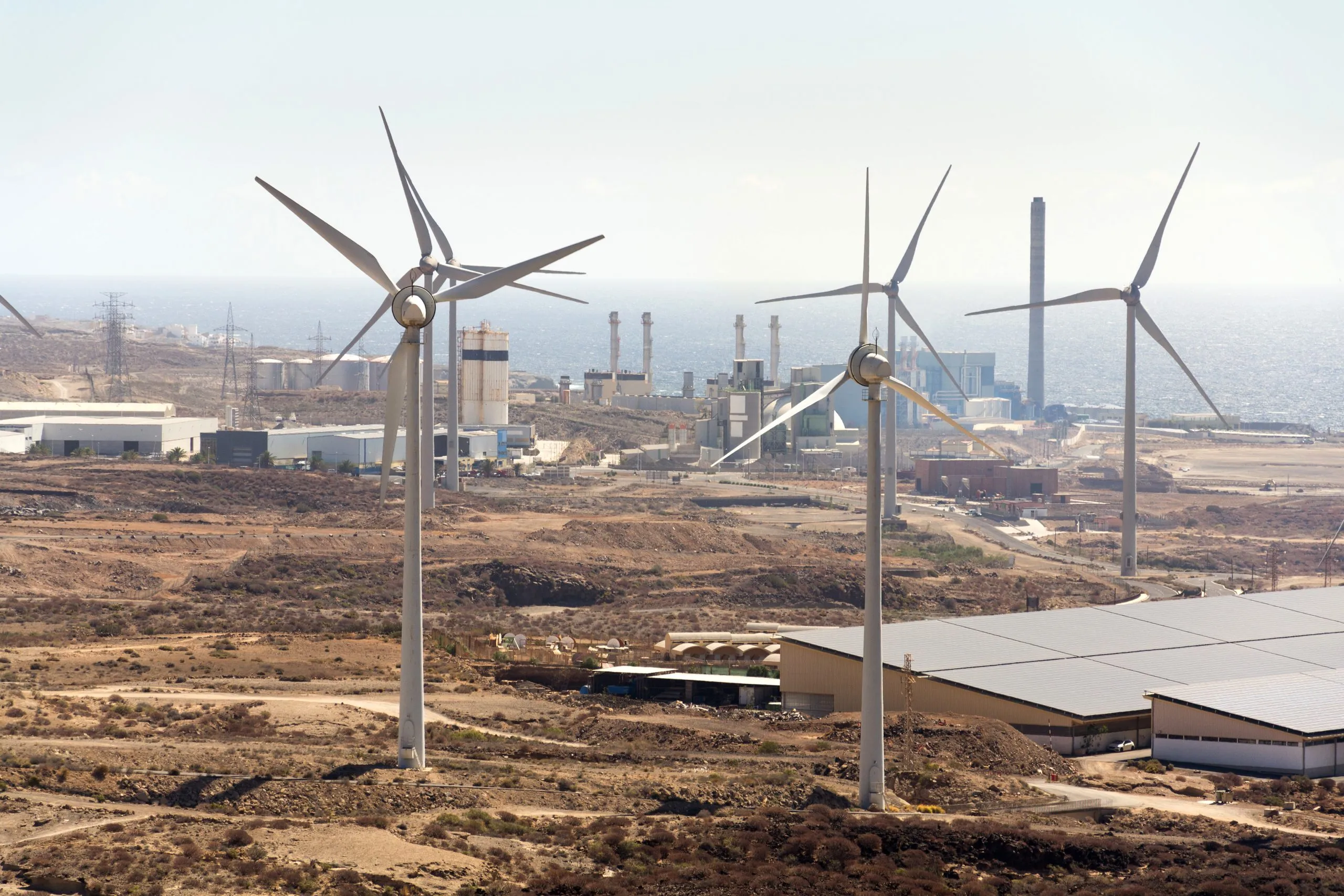
Spain’s renewable energy market is poised for robust expansion through 2035 as the country accelerates its transition away from fossil fuels. With abundant solar and wind resources, policy commitments aligned with the European Green Deal, and escalating investment in clean technologies, Spain aims to decarbonize its power sector and reduce greenhouse gas emissions. Renewables already supply a significant share of electricity generation, and this trend is expected to strengthen capacity additions in solar PV, onshore and offshore wind, and energy storage scale over the next decade.
Key Drivers Fueling Spain Renewable Energy Growth
Strong Solar Growth
Spain’s solar photovoltaic (PV) segment is a primary catalyst in the renewable market. After the removal of retroactive taxes on solar installations and simplification of permitting, installed solar capacity has risen sharply. Spain currently targets more than 76 GW of solar PV by 2030, up from roughly 20 GW in the early 2020s. Falling equipment costs and favorable irradiance levels support continued deployment across utility-scale, commercial, and residential segments.
Wind Power Expansion
Wind energy remains a mainstay of Spain’s renewable portfolio. Onshore wind already represents a large portion of installed renewable capacity, with figures consistently above 25 GW. Planned repowering of older wind farms and gradual integration of offshore wind—targeting several gigawatts by 2030—will underpin growth. Market drivers include increased grid integration technologies and power purchase agreements (PPAs) that reduce project risk for investors.
Energy Storage and Grid Modernization
To accommodate variable renewable generation, Spain is expanding energy storage infrastructure. Battery storage projects and pumped hydro storage are scaling to enhance grid flexibility. Regulatory frameworks incentivizing storage pairing with solar and wind are contributing to investment. Upgraded transmission networks and smart grid initiatives also facilitate higher renewable penetration into the national grid.
Government Policies and Initiatives Driving Renewable Energy Development
Spain’s Renewable Energy Plan (2021–2030) is in line with EU climate targets, aiming for 42% of energy to come from renewables by 2030. To support this, Spain offers national incentives, holds auctions for renewable capacity, and receives funding from the EU’s Recovery and Resilience Facility. Additionally, permitting reforms and tax incentives have been introduced, making it easier for projects to get off the ground and attracting more private investment to the renewable sector.
Overview of Key Players and Competition in Spain Renewable Energy Market
Spain’s renewable energy market is a dynamic mix of local and international players. Big names like Iberdrola, Endesa, and Naturgy are growing their renewable portfolios, while global companies are jumping into solar and wind projects. The competitive bidding system for renewable capacity helps drive down costs and draw in more investment, creating a vibrant and evolving market as Spain pushes towards a cleaner energy future.
Key Challenges Facing Spain’s Renewable Energy Transition
Grid Integration and Curtailment
Rapid renewable additions strain transmission infrastructure, leading to occasional curtailment of generation and bottlenecks in high-resource regions. Upgrading grid capacity and improving interconnections with neighboring markets remain essential.
Regulatory and Permitting Delays
Despite reforms, permitting processes at regional and municipal levels can still delay project timelines. Complex land-use regulations and environmental assessments contribute to the development of friction, increasing costs, and investment risk.
Future Outlook
By 2035, Spain’s renewable energy sector is expected to be significantly larger and more diverse, with solar and wind dominating electricity generation. Advances in energy storage, digital grid management, and hybrid renewable projects will enhance reliability and system stability. Policy continuity and strong investor interest should sustain growth, positioning Spain as a leader in Europe’s clean energy transition. Continued integration of renewables into heating, transport, and industrial applications will further reduce carbon emissions and strengthen energy security through the next decade.
Consultants at Nexdigm, in their latest publication “Spain Renewable Energy Market Outlook to 2035,” analyze the sector by System Type (Wind Energy Systems, Solar Energy Systems, Biomass Energy Systems, Hydropower Systems), By Platform Type (Land-based Platforms, Offshore Platforms, Floating Platforms), and By Fitment Type (On-grid Solutions, Off-grid Solutions, Hybrid Solutions). Nexdigm suggests that businesses should stay informed about market trends, adapt to evolving regulations, and invest in sustainable practices to stay competitive in the renewable energy sector. By understanding the market dynamics and leveraging emerging technologies, companies can maximize opportunities while addressing challenges such as grid integration and permitting delays.
To take the next step, simply visit our Request a Consultation page and share your requirements with us.
Harsh Mittal
+91-8422857704