
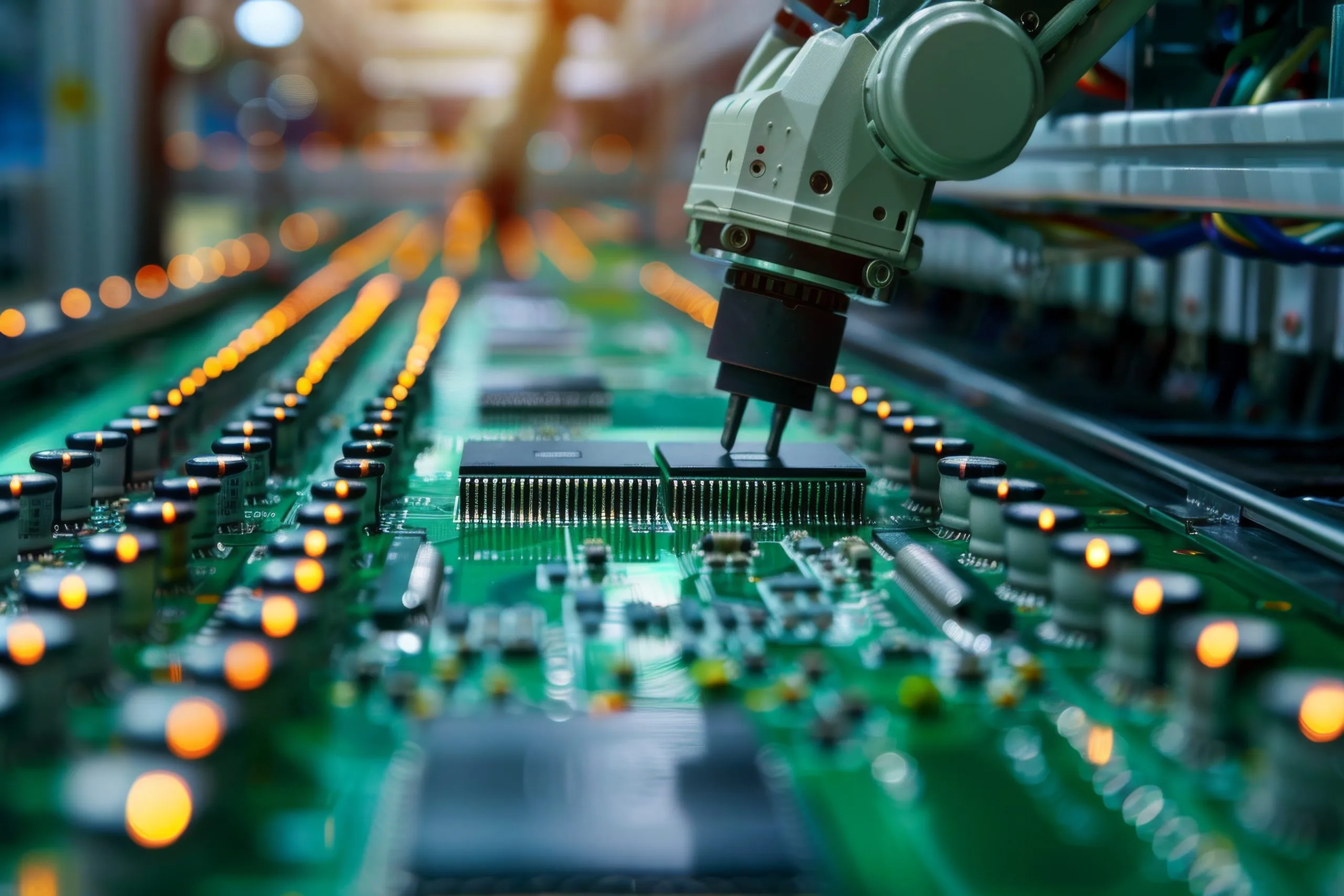
The semiconductor manufacturing market in Spain is emerging from a relatively modest base toward a more strategic role within Europe’s technology landscape. Historically overshadowed by larger global hubs, Spain’s semiconductor sector is now drawing attention through targeted investments and policy frameworks aimed at enhancing domestic capabilities in chip design, production and equipment supply. This shift is driven by increasing demand for semiconductors across consumer electronics, automotive systems and advanced industrial applications, as well as broader efforts to strengthen supply chain resilience in Europe.
Key Drivers Fueling Growth in Spain’s Semiconductor Manufacturing Sector
Rising Demand Across End‑Use Industries
Growth in consumer electronics, automotive electronics, and digital infrastructure has expanded the need for semiconductor components and advanced chips. Data forecasts suggest the Spanish semiconductor market is set to grow significantly through the next decade, with projections indicating a potential rise from US$12.41 billion in 2023 to about US$29.56 billion by 2032, representing near‑double growth over the period. Demand for chips in applications such as IoT, artificial intelligence, and electric vehicles will continue to stimulate manufacturing requirements through 2035.
Technological Adoption and Innovation Ecosystem
Spain’s semiconductor ecosystem includes a mix of design‑oriented companies, fabless players and emerging startups. This innovation base is supported by research collaborations and a growing startup landscape — Madrid, for example, ranks among the stronger European cities for semiconductor‑related employment and investment activity. These capabilities help underpin domestic design and prototype development, which are critical precursors to broader manufacturing activities.
Government Strategies and Initiatives Supporting Semiconductor Growth in Spain
The Spanish government has introduced strategic initiatives to bolster the semiconductor sector, most notably the “PERTE Chip” programmer — a multi‑billion‑euro initiative running to 2027 aimed at strengthening design, production and value‑chain integration. This programmer aligns with broader EU objectives under the European Chips Act, which seeks to increase Europe’s semiconductor production capacity and technology autonomy.
Overview of Key Players and Competitive Dynamics in Spain’s Semiconductor Market
Spain’s semiconductor market comprises a mix of established manufacturers and emerging entities, including traditional manufacturers like Fagor Electronica and startups such as Semi Zabala and Alcyon Photonics, which focus on specialized semiconductor technologies. While Spain’s footprint remains smaller relative to leading European markets, targeted investment and ecosystem collaboration aim to strengthen competitive positioning.
Key Challenges Facing the Growth of Spain’s Semiconductor Manufacturing Industry
Capacity and Infrastructure Constraints
Despite recent momentum, Spain’s semiconductor manufacturing infrastructure remains limited compared with more established hubs. Building advanced fabrication facilities requires significant capital, specialized equipment, and skilled workforce development, all of which present barriers to rapid expansion.
Talent and Technology Gaps
A shortage of skilled semiconductor engineers and production specialists constrain scaling. Addressing this gap will require sustained efforts in education, training and incentives to attract and retain talent in high‑technology manufacturing roles.
Future Outlook
Through 2035, Spain’s semiconductor manufacturing market is expected to expand in both scale and sophistication. Continued implementation of national and EU‑level strategies — including investment incentives and research support — will be pivotal in accelerating domestic production capabilities. Market growth will also be supported by rising global semiconductor demand and increased localization of supply chains. If these trends persist, Spain could strengthen its role as a contributor to Europe’s semiconductor ecosystem, with higher domestic output and integration into broader international manufacturing networks by 2035.
Consultants at Nexdigm, in their latest publication “Spain Semiconductor Manufacturing Market Outlook to 2035,” analyze the sector by System Type (Semiconductor Fabrication Equipment, Wafer Processing Equipment, Assembly & Packaging Equipment, Testing Equipment), By Platform Type (Silicon-based Platforms, Compound Semiconductor Platforms, Organic Semiconductor Platforms), and By Fitment Type (On-premise Solutions, Cloud-based Solutions, Hybrid Solutions). Nexdigm suggests that businesses should align their strategies with market trends and emerging technologies to ensure continued growth and competitiveness in the semiconductor manufacturing sector. This includes leveraging government incentives, investing in R&D for next-generation technologies, and forging partnerships within the global semiconductor ecosystem. Understanding the evolving demand for semiconductors in sectors such as automotive, consumer electronics, and industrial automation is crucial. Companies should also address workforce challenges by focusing on talent acquisition and skill development programs to support the evolving needs of the industry. By staying agile and adapting to market conditions, businesses can successfully navigate the dynamic landscape of semiconductor manufacturing.
To take the next step, simply visit our Request a Consultation page and share your requirements with us.
Harsh Mittal
+91-8422857704