
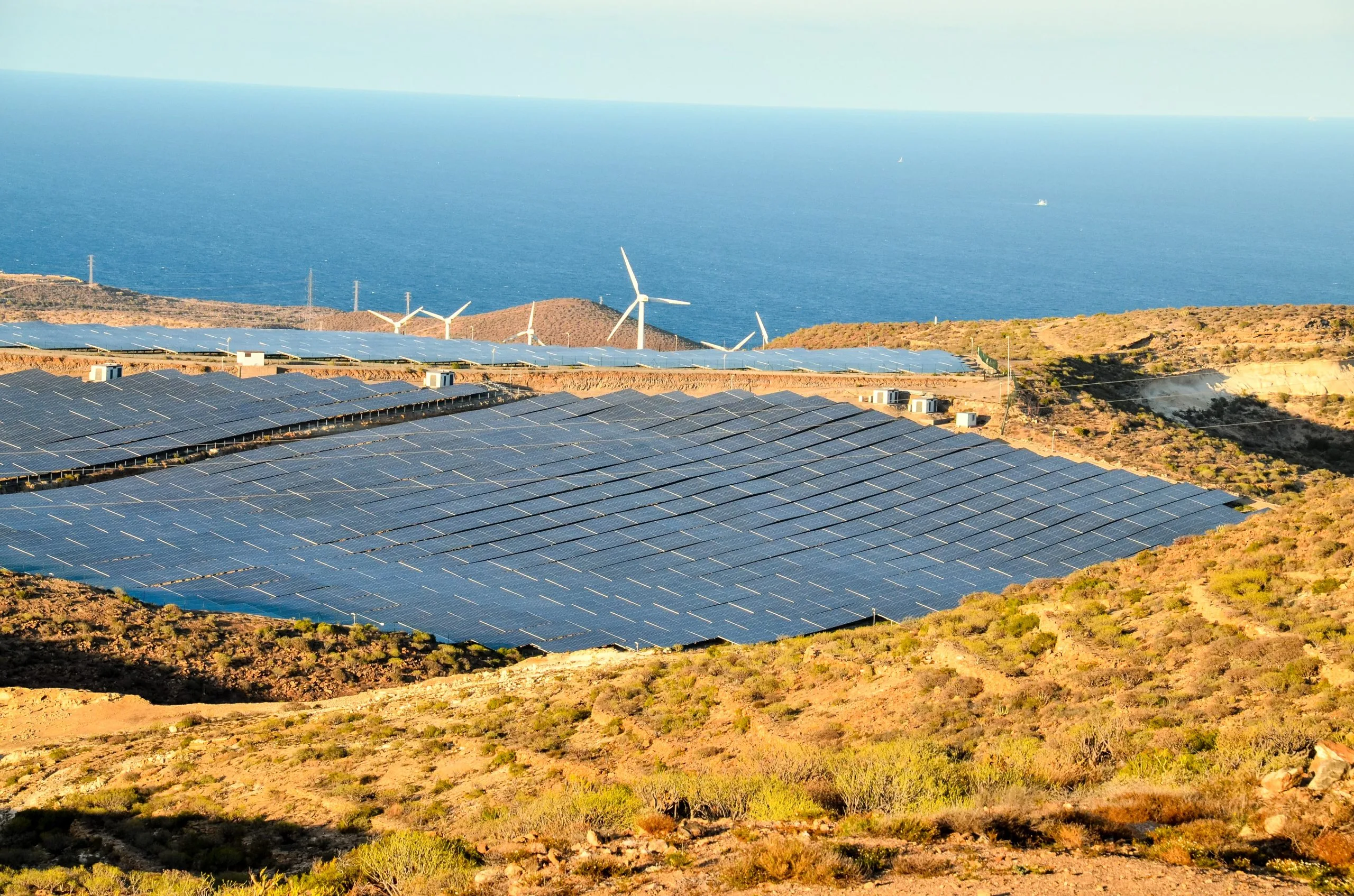
The solar Engineering, Procurement, and Construction (EPC) market in Spain is entering a phase of considerable expansion driven by national renewable energy targets and robust project pipelines. By leveraging its high solar irradiation and substantial PV potential, Spain is positioning itself as a key market within Europe’s clean energy transition. Forecasts suggest solar capacity in the country could reach approximately 152.8 GW by 2035, forming the backbone of Spain’s renewable growth strategy.
Key Drivers Fueling the Growth of the Spain Solar EPC Market
Strong Renewable Capacity Targets
Spain’s solar market is underpinned by ambitious capacity objectives. Projections indicate that total renewable generation will increase significantly by 2035, with solar PV capacity surging from existing levels to about 152.8 GW. This expansion contributes to renewable generation growing from roughly 131 TWh in 2024 to over 313 TWh by 2035.
Declining Solar Costs and Technology Efficiency
The ongoing reduction in photovoltaic (PV) module and balance‑of‑system costs enhances project economics, making solar EPC projects more viable across utility, commercial, and distributed segments. Advances in panel efficiency and digital project planning tools further improve returns on new installations, increasing demand for EPC services.
Integration of Energy Storage
The integration of battery energy storage systems (BESS) with solar plants is becoming a differentiating factor for EPC providers. As grid stability and energy shifting become priorities, EPC firms that can deliver integrated PV + storage solutions are gaining increased traction in contracts and financing discussions.
Government Policies and Initiatives Driving Solar Growth in Spain
Spain’s renewable framework benefits from both national and EU policy alignment. The country targets a high share of renewables in its electricity mix, supported by streamlined permitting processes and incentive mechanisms facilitating solar project approvals. Spain’s Integrated National Energy and Climate Plan and EU directives (e.g., RED III) bolster solar deployment commitments toward 2030 and beyond.
Overview of the Competitive Landscape in Spain Solar EPC Market
The Spanish solar EPC landscape includes a mix of international and regional EPC contractors active across utility and distributed segments. Global EPC firms with a presence in Europe compete alongside Spanish engineering groups, driving price competitiveness and technical sophistication in project delivery. Market liberalization and growing PV pipelines have intensified competition for long‑term power purchase agreements and turnkey contracts.
Key Challenges Facing the Spain Solar EPC Market
Grid Integration and Saturation Risks
Rapid solar capacity addition has created integration challenges for the national grid. Grid congestion and volatility in electricity prices—occasionally dipping below zero—have reduced asset valuations and pressured returns for solar developers and EPC partners alike.
Permitting and Financing Constraints
Despite policy support, complex permitting procedures and financing hurdles remain. Lengthy approval cycles and uncertainty in tariff structures can delay EPC project execution, increase capital costs, and impact developer confidence.
Future Outlook
Over the next decade, the Spain solar EPC market is expected to maintain strong growth momentum through 2035 as PV deployment scales and storage solutions are integrated. Spain’s high solar resource and firm renewable policy commitments will continue to attract investment and long‑term EPC contracts. However, the market is likely to undergo structural adjustments as developers and EPC contractors optimize grid flexibility and competitive power pricing. Continued innovation in financing models and EPC service offerings will be key to sustaining growth in the evolving Spanish solar ecosystem.
Consultants at Nexdigm, in their latest publication “Spain Solar EPC Market Outlook to 2035,” analyze the sector by System Type (Utility-scale Solar Systems, Commercial & Industrial Solar Systems, Residential Solar Systems, Off-grid Solar Systems), By Platform Type (Ground-mounted Systems, Rooftop Systems, Floating Solar Systems), and By Fitment Type (On-site Installation, Remote Installation, Turnkey Installation). Nexdigm suggests that businesses should focus on adapting to rapidly evolving regulatory frameworks and technological advancements in the solar EPC market to maintain a competitive edge. By aligning with emerging trends, such as energy storage integration and digital project optimization, businesses can capitalize on growth opportunities while mitigating potential risks like grid integration issues and fluctuating pricing dynamics.
To take the next step, simply visit our Request a Consultation page and share your requirements with us.
Harsh Mittal
+91-8422857704