
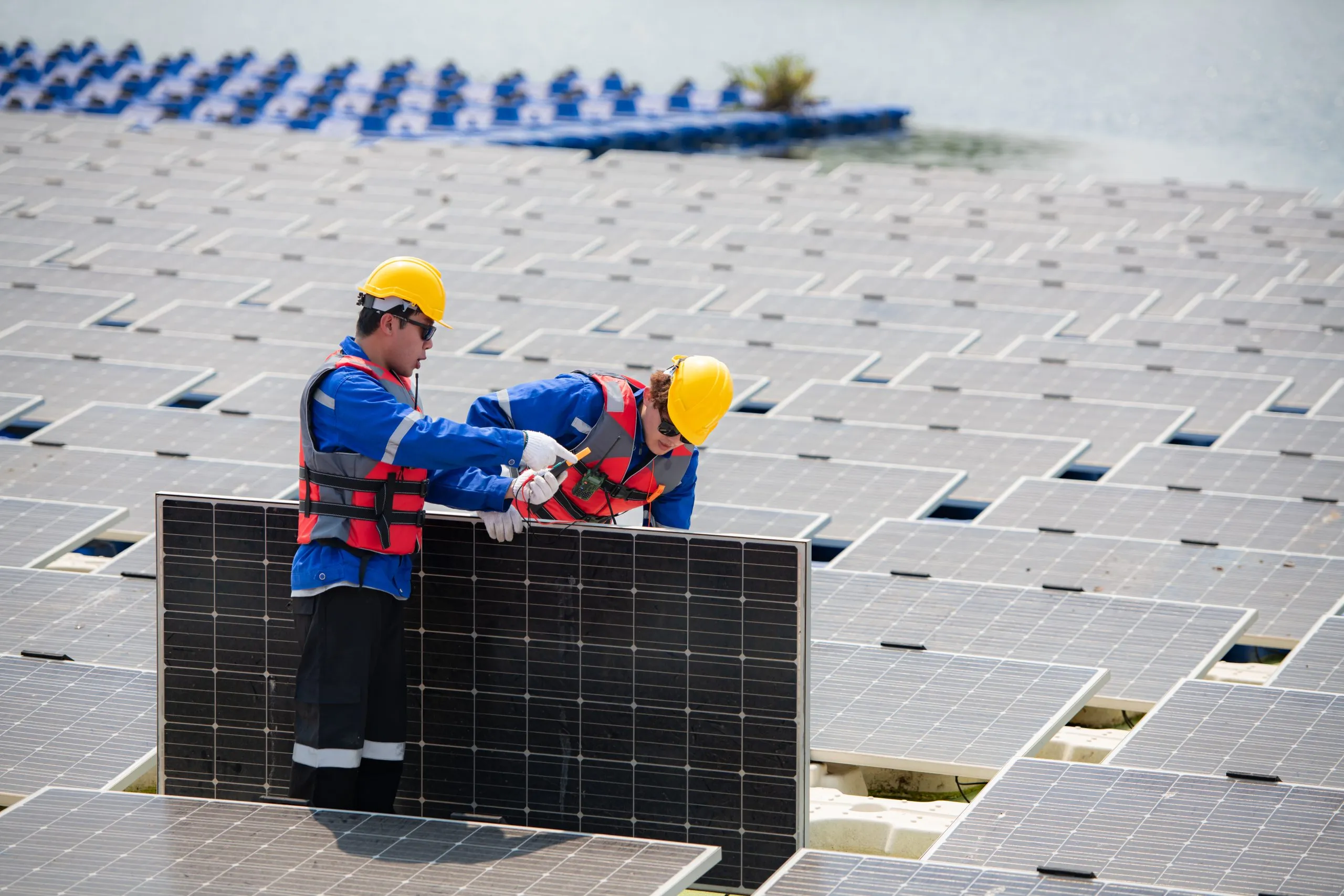
Spain is rapidly becoming a major player in the solar photovoltaic (PV) market. With its abundant sunshine, favorable policies, and declining technology costs, the country is positioning itself as a leader in renewable energy. As of 2024, Spain’s solar PV capacity has surpassed 20 GW, a remarkable increase from less than 5 GW in 2015. By 2035, solar power is expected to contribute significantly to Spain’s clean energy goals, making it a critical element in the nation’s transition to a sustainable, low-carbon future.
Key Drivers Fueling Growth in Spain Solar PV Market
Abundant Solar Resources
Spain enjoys some of Europe’s highest levels of solar irradiance, with many regions receiving over 1,700 kWh/m² annually. This advantage makes solar power generation highly efficient and cost-effective compared to other European countries. The ample sunlight provides a solid foundation for continued growth in solar energy production.
Cost Decline in Solar Technology
The cost of solar photovoltaic technology has dropped significantly over the last decade. As a result, the levelized cost of electricity (LCOE) from solar PV has become increasingly competitive, often cheaper than traditional fossil fuel-based power. This makes solar energy an attractive option for both private investors and the public sector in Spain.
Rising Demand for Renewable Energy
With Spain’s increasing electricity demand, driven by factors like electrification of transport and industrial decarbonization, solar energy is being seen as a reliable, scalable solution. Additionally, corporate procurement through power purchase agreements (PPAs) is growing, with businesses seeking to lock in low-cost, renewable energy, further pushing the market forward.
Government Policies and Initiatives Driving Solar PV Growth in Spain
Spain’s government has been actively supporting the growth of solar energy. The National Energy and Climate Plan (NECP) aim to achieve 42 GW of solar PV capacity by 2030. Policies like competitive power auctions, streamlined permitting processes, and financial support from the EU’s Recovery and Resilience Facility are designed to reduce barriers for developers, making Spain one of the most favorable solar markets in Europe.
Overview of Key Players and Competition in Spain Solar PV Market
The Spanish solar PV market is highly competitive, featuring a mix of domestic and international players. Leading Spanish firms such as Iberdrola, Endesa, and Acciona Energía dominate the market, alongside global investors. These companies, along with suppliers and EPC contractors, are responsible for a growing share of large-scale and distributed solar projects, ensuring a continued drive toward solar adoption and innovation in Spain.
Challenges Facing the Growth of Spain Solar PV Market
Grid Capacity and Land Availability
As solar installations increase, grid congestion is becoming a challenge, causing curtailment in some regions. Additionally, finding land for large-scale solar projects is becoming more difficult, as land is often tied up with agricultural or urban development interests. Lengthy permitting processes in certain areas can also delay project timelines, which may impede the market’s overall growth.
Future Outlook
Projections suggest that total installed solar capacity could exceed 70 GW by that time. The combination of cost reductions, government support, and a favorable solar resource will help Spain meet its climate and energy goals. As solar power becomes a larger part of Spain’s energy mix, the country is on track to become a leader in Europe’s renewable energy transformation.
Consultants at Nexdigm, in their latest publication “Spain Solar PV Market Outlook to 2035,” analyze the sector by System Type (Residential Solar Systems, Commercial Solar Systems, Utility-scale Solar Systems, Hybrid Solar Systems), By Platform Type (Rooftop Solar Platforms, Ground-mounted Solar Platforms, BIPV (Building Integrated Photovoltaic) Platforms), and By Fitment Type (On-grid Solar Systems, Off-grid Solar Systems, Hybrid Solar Systems). Nexdigm suggests that businesses should focus on adapting to evolving market trends, leveraging technological advancements, and staying aligned with regulatory changes to ensure long-term success in the rapidly growing renewable energy sector. By understanding market dynamics, embracing innovation, and adopting sustainable practices, businesses can not only enhance their operational efficiency but also contribute to the global push for cleaner, more reliable energy solutions. Staying ahead of regulatory shifts and market demands will be crucial for positioning themselves as leaders in an increasingly competitive landscape.
To take the next step, simply visit our Request a Consultation page and share your requirements with us.
Harsh Mittal
+91-8422857704