
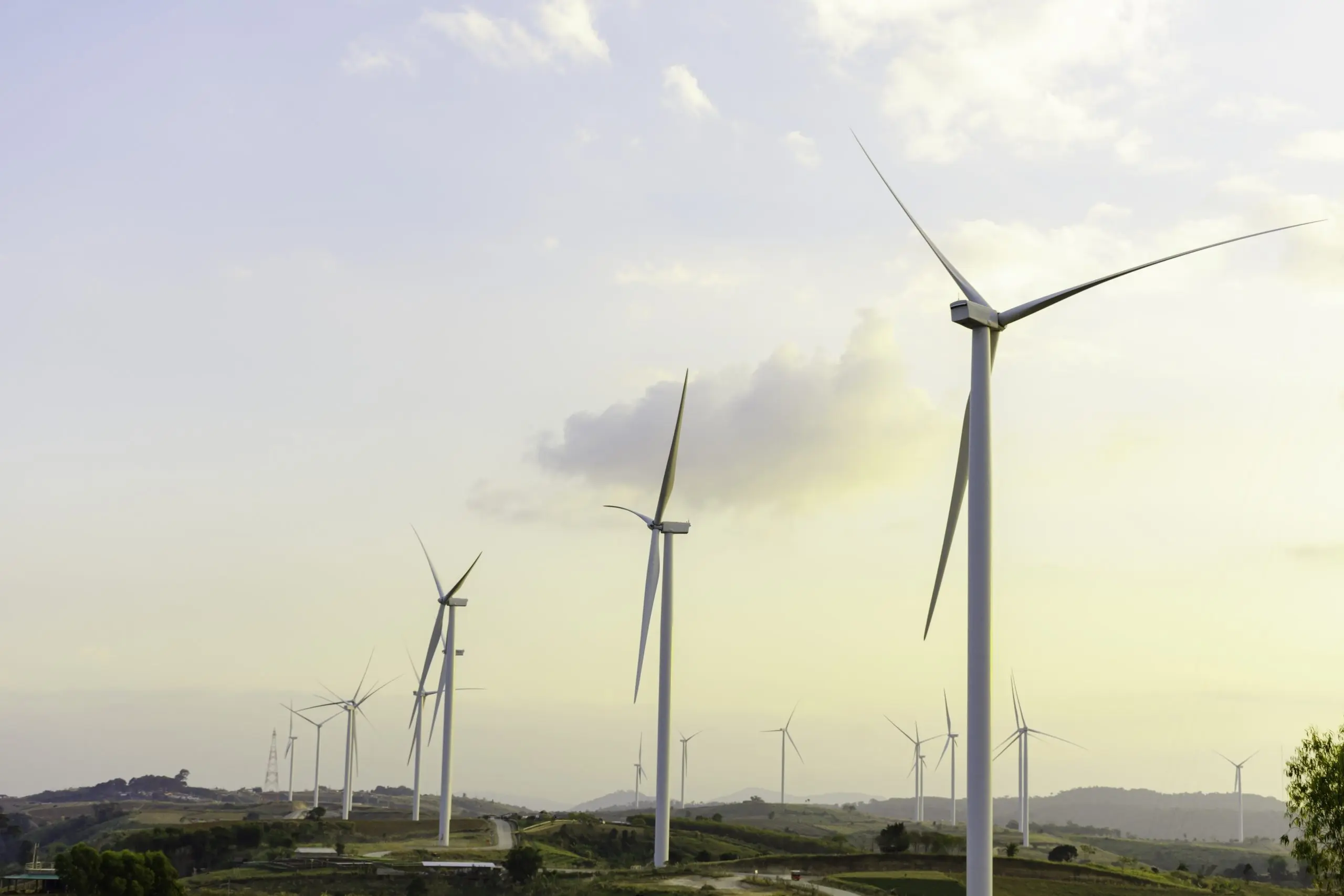
Spain has emerged as a key renewable energy market in Europe, with wind power playing a central role in its electricity mix. As of 2025, wind energy accounted for roughly a quarter of the nation’s power generation and installed capacity, illustrating its critical contribution to decarbonization efforts and energy security. Sustained investments, technological improvements, and strong policy frameworks are positioning Spain’s wind sector for growth through 2035. This outlook examines the market dynamics, drivers, challenges, and prospects shaping wind energy deployment in Spain over the next decade.
Key Factors Driving Growth in Spain Wind Energy Market
Growing Installed Capacity
Spain’s wind energy capacity has steadily increased, with over 33 GW installed by 2025 and incremental growth of more than 3.5 % year‑on‑year. This expansion reinforces wind power as the second‑largest renewable source in the national generation fleet.
Renewable Energy Targets and Policy Frameworks
National targets for expanding renewable electricity form a core driver. Under Spain’s integrated energy and climate plans, the country aims to significantly raise its share of renewables by 2030, implicitly boosting wind power additions. Planned capacity expansions integrated with long‑term decarbonization goals reinforce investor confidence.
EU and Climate Imperatives
Spain’s commitment to EU renewable energy and emissions reduction goals creates a regulatory impetus for wind deployment. Continued alignment with EU directives on renewable energy sources and grid emissions standards encourages growth in both onshore and prospective offshore wind segments, where significant untapped potential exists.
Economic and Environmental Drivers
Wind energy contributes to diversified energy supply and reduction of fossil fuel dependence, with environmental benefits such as reduced CO₂ emissions. The industry also supports employment and local manufacturing, enhancing its economic appeal within the broader energy transition framework.
Government Policies and Initiatives Supporting Wind Energy Development
Government mechanisms, including the National Integrated Energy and Climate Plan (PNIEC), support renewable growth through capacity targets, streamlined permitting processes, and grid investment incentives. Spain’s renewable goals for 2030 and beyond emphasize wind energy’s role in reaching high penetration levels, with regulatory adjustments intended to ease project development and attract investment.
Overview of Key Players and Competitive Dynamics in Spain Wind Energy Market
The Spanish wind market features a mix of domestic and international players involved in development, manufacturing, and operations. Established utilities and specialized renewables firms are active across onshore projects, with an emerging interest in offshore wind. Competitive dynamics focus on securing grid access, technology deployment, and strategic partnerships to capture market share as capacity requirements rise toward 2035.
Key Challenges Impacting the Growth of Spain Wind Energy Sector
Infrastructure and Deployment Bottlenecks
Despite robust policy support, administrative delays and grid integration challenges constrain growth. Slow permitting and environmental impact assessments can delay project timelines, affecting the pace of capacity additions required to meet long‑term objectives.
Offshore Wind Development
Offshore wind remains under‑developed relative to onshore capacity due to higher costs, regulatory complexity, and longer project lead times. Advancing this segment will require targeted investment and regulatory clarity.
Future Outlook
Through 2035, Spain’s wind energy market is expected to expand significantly, driven by renewable policy commitments and decarbonization mandates. Investment in grid upgrades and storage integration will be crucial to managing variable wind output and maintaining system reliability. Continued focus on technological innovation, supportive regulation, and market competitiveness should underpin steady wind sector growth to 2035.
Consultants at Nexdigm, in their latest publication “Spain Wind Energy Market Outlook to 2035,” analyze the sector by System Type (Onshore Wind Energy Systems, Offshore Wind Energy Systems, Hybrid Wind Systems, Small-Scale Wind Systems), By Platform Type (Land-Based Platforms, Offshore Platforms, Fixed-Bottom Platforms), and By Fitment Type (Onshore Fitment Solutions, Offshore Fitment Solutions, Semi-Submersible Fitment Solutions). Nexdigm suggests that businesses should focus on understanding the evolving market trends, regulatory changes, and technological advancements to stay competitive and identify growth opportunities. This includes leveraging data-driven insights, investing in sustainable innovations, and aligning with local and global renewable energy goals to maximize long-term value and mitigate risks.
To take the next step, simply visit our Request a Consultation page and share your requirements with us.
Harsh Mittal
+91-8422857704