
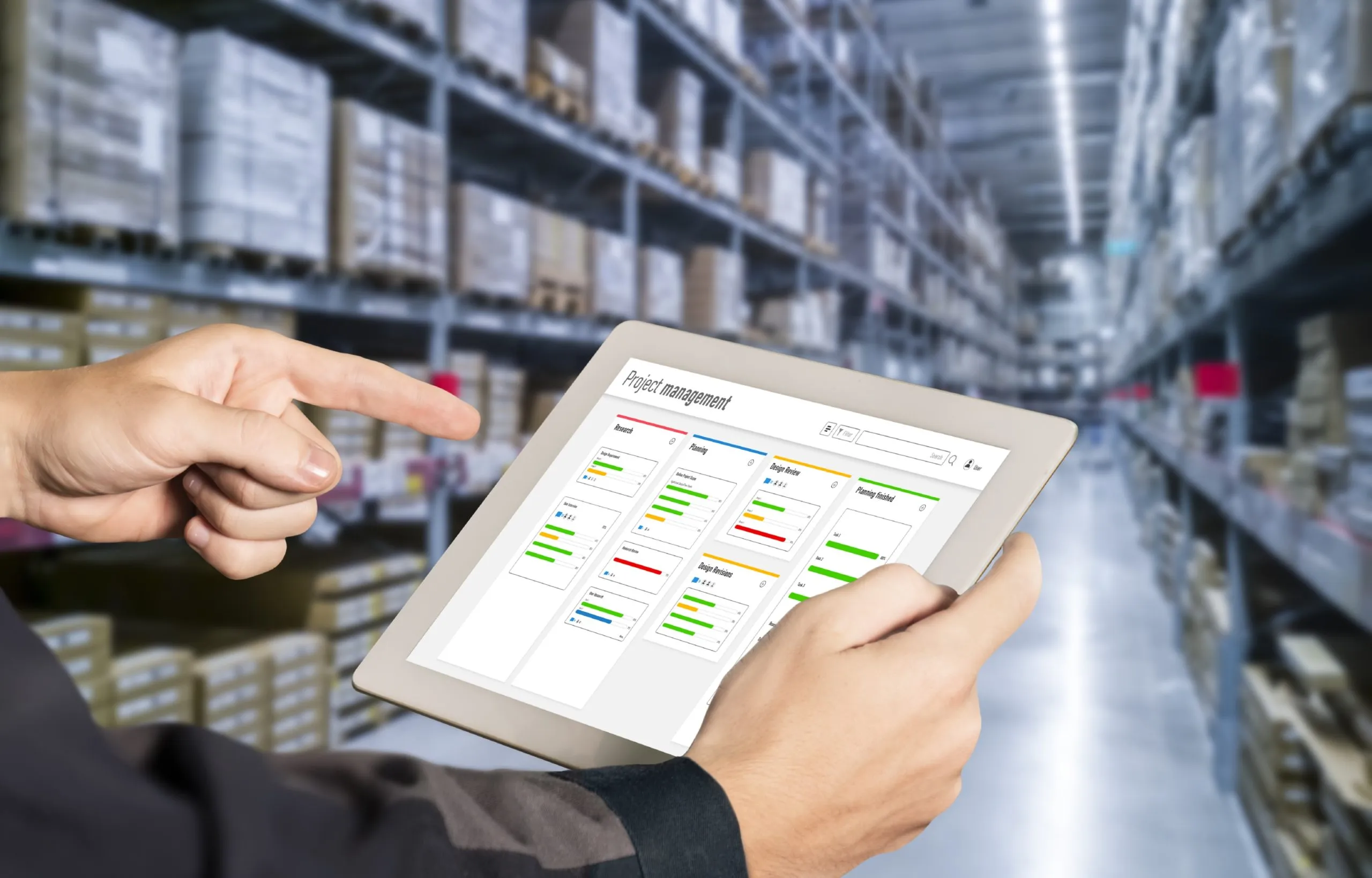
Benchmarking storage pricing across highly utilized warehouses helps logistics providers align rates with space scarcity, customer demand, inventory velocity, and service complexity. This storage pricing benchmarking logistics approach applies pricing analysis to compare occupancy-based charges, pallet rates, handling fees, contract terms, and value-added services across facilities and markets.
By identifying rate gaps and cost drivers, businesses can improve pricing consistency, protect margins, optimize capacity, strengthen negotiations, and design differentiated offers for customers requiring flexible, reliable, and strategically located storage solutions across increasingly competitive distribution and fulfillment networks worldwide at scale.
India’s industrial and logistics market recorded 27.1 million square feet of leasing in the first half of 2025, its strongest half-year absorption. This momentum supports disciplined storage pricing, higher space productivity, stronger contract realization, and expansion across demand-led warehouse markets.
Strategic Storage Pricing Analysis for High-Demand Facilities
Strategic storage pricing analysis combines occupancy trends, space scarcity, customer demand, service costs, and market benchmarks to improve rate realization, capacity productivity, margin protection, and facility profitability sustainably. Some of its important strategies are:
- Volume Incentive Strategy: Offer structured discounts for committed, predictable, or expanding volumes while maintaining clear thresholds that protect margins and space productivity.
- Location Premium Strategy: Apply differentiated pricing for facilities near ports, airports, urban centers, industrial clusters, and major transport corridors where customer demand is stronger.
- Peak-Period Pricing Strategy: Apply temporary premiums during festive seasons, inventory surges, product launches, and restocking cycles when storage demand exceeds normal capacity levels.
- Market Benchmarking Strategy: Compare storage rates, handling fees, contract terms, and service bundles across competing facilities to identify pricing gaps and strengthen market positioning.
Nexdigm’s Expertise in High-Utilization Warehouse Pricing Analysis
Nexdigm provides expertise in high-utilization warehouse pricing through storage pricing benchmarking, pricing analysis, demand forecasting, and cost-to-serve optimization. Its capabilities span warehouse rate benchmarking, occupancy-based pricing, market intelligence, capacity utilization analysis, and revenue optimization, enabling businesses to strengthen pricing competitiveness, improve space productivity, optimize storage charges, enhance contract negotiations, and drive sustainable profitability across high-demand logistics facilities.
Nexdigm’s Data-Driven Pricing Architecture for High-Demand Warehouses
Nexdigm’s pricing architecture converts occupancy, demand, cost, customer, and market data into disciplined warehouse pricing decisions that improve space productivity, rate realization, competitiveness, scalability, and sustainable profitability. Strategic steps followed in the architecture model are:
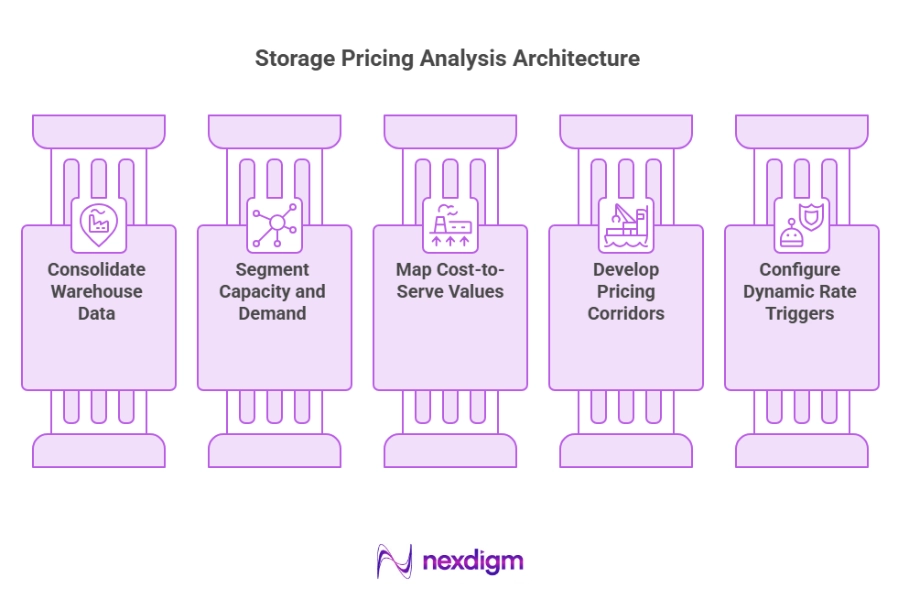
- Consolidate Warehouse Data: Integrate occupancy, movement, service activity, contract, customer, cost, and market information to create a reliable foundation for pricing analysis.
- Segment Capacity and Demand: Classify facilities, storage zones, seasons, and customer requirements by utilization intensity, demand volatility, service complexity, and available warehouse capacity.
- Map Cost-to-Serve Values: Calculate labor, energy, equipment, technology, security, handling, and space costs to establish defensible pricing floors for warehouse services.
- Develop Pricing Corridors: Define minimum, target, and premium rate ranges based on occupancy thresholds, market benchmarks, customer value, service levels, and profitability objectives.
- Configure Dynamic Rate Triggers: Activate pricing adjustments when demand, occupancy, dwell time, labor costs, or space scarcity cross predefined commercial and operational thresholds.
Nexdigm’s Case
Nexdigm supported a warehouse operator with occupancy analytics, cost-to-serve modelling, and dynamic pricing controls. Within ten months, the initiative increased revenue per pallet by 13%, improved storage utilization by 11%, and raised value-added service margins by 9% across high-demand facilities. The engagement strengthened pricing competitiveness and established a scalable foundation for long-term warehouse profitability and growth.
To take the next step, simply visit our Request a Consultation page and share your requirements with us.
Harsh Mittal
+91-8422857704