
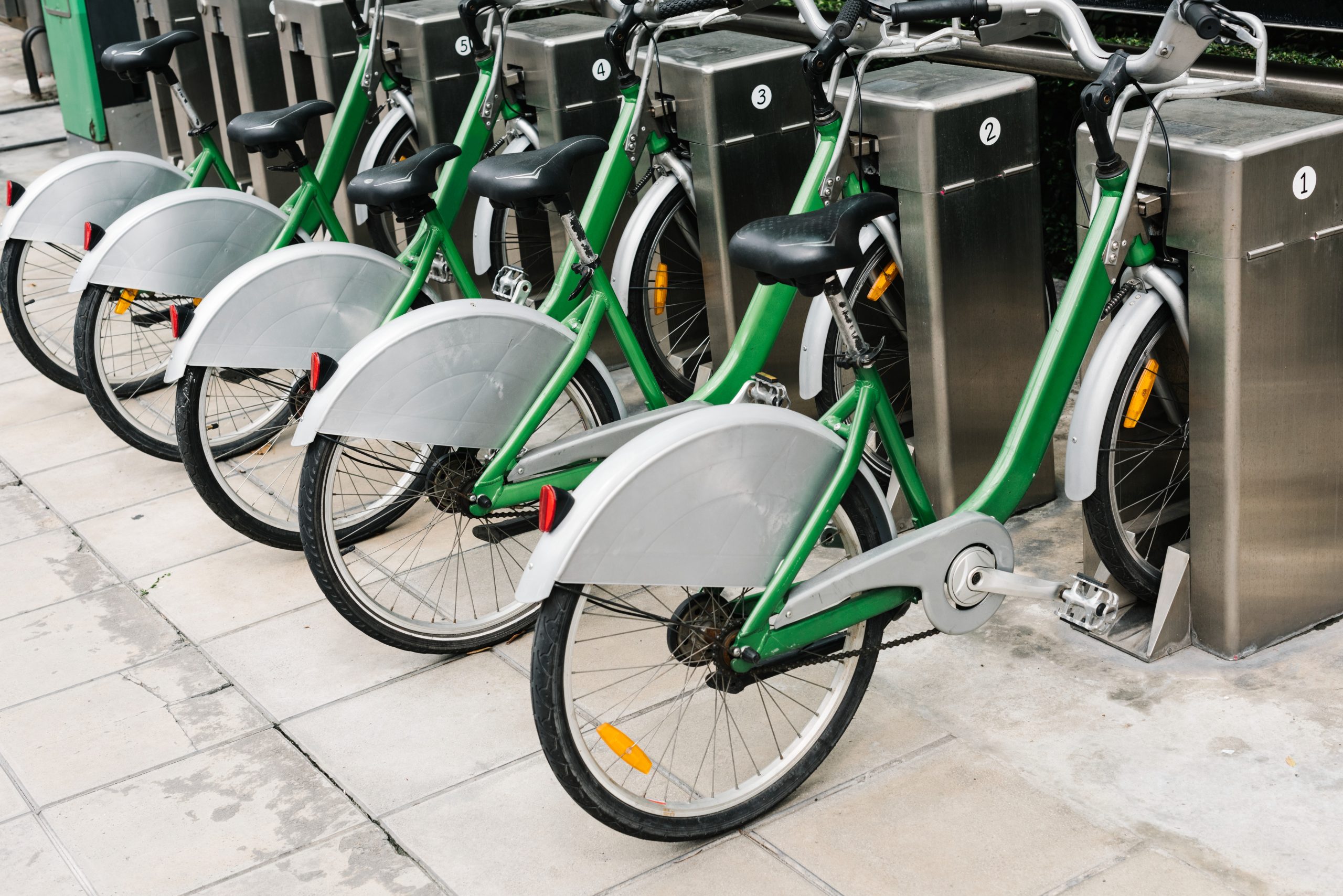
Taiwan’s electric two-wheeler battery market is an established segment of the country’s electric mobility ecosystem, supported by widespread motorcycle usage, battery-swapping infrastructure, and government electrification initiatives. Growing demand for energy-efficient transportation and advancements in lithium-ion battery technology are creating opportunities for battery manufacturers and mobility service providers. According to 2025 industry data, Taiwan recorded approximately 49,128 electric motorcycle registrations, while Gogoro and its partner brands accounted for 67.5% of electric two-wheeler sales. Despite recent market contraction, battery innovation and replacement demand offer long-term growth opportunities through 2035.
Key Market Drivers Affecting Taiwan Electric Two Wheeler Battery Industry
Established Battery-Swapping Infrastructure
The development of extensive battery-swapping infrastructure is a major driver of Taiwan’s electric two-wheeler battery market. Battery swapping addresses charging limitations faced by urban consumers, particularly residents of apartment buildings with limited private charging facilities. Gogoro has established more than 2,700 battery-swapping locations across Taiwan, supporting over 665,000 monthly subscribers as of December 2025. The network has also facilitated more than 800 million battery swaps since its launch. This established ecosystem encourages electric motorcycle adoption and generates recurring demand for battery packs, replacement batteries, and battery management technologies.
Technological Advancements in Lithium-Ion Batteries
Continuous improvements in lithium-ion battery technology are supporting the development of Taiwan’s electric two-wheeler battery market. Manufacturers are focusing on improving energy density, battery lifespan, charging efficiency, and thermal management to enhance vehicle performance. Lithium-ion batteries are increasingly preferred for their lightweight construction and performance advantages over conventional lead-acid alternatives. Additionally, improvements in battery management systems, smart monitoring technologies, and battery-swapping compatibility are creating opportunities for specialized battery manufacturers. Research into safer battery chemistries and improved battery recycling processes is also expected to strengthen the industry’s long-term technological capabilities.
Growing Commercial Mobility and Battery Replacement Demand
The expansion of shared mobility, delivery services, and commercial transportation is creating additional demand for electric two-wheeler batteries. Fleet operators require reliable battery systems capable of supporting frequent usage, multiple charging cycles, and reduced vehicle downtime. Taiwan’s established battery-swapping ecosystem makes electric motorcycles suitable for high-utilization commercial applications. Furthermore, the growing installed base of electric scooters creates recurring demand for battery replacement and maintenance services. Partnerships between motorcycle manufacturers, battery suppliers, and mobility operators are expected to generate additional business opportunities through 2035.
Government Support Towards Taiwan Electric Two Wheeler Battery Industry
Taiwan’s government is supporting electric motorcycle adoption through purchase subsidies, battery technology incentives, and infrastructure development programmes. The Ministry of Economic Affairs provides a central subsidy of up to NT$7,000 for eligible new electric motorcycles, with additional incentives for domestically produced battery cells and replacement of older motorcycles. Local governments also offer supplementary purchase and battery-fee subsidies. Additionally, financial support for battery-swapping stations is encouraging infrastructure expansion and strengthening the domestic electric mobility ecosystem.
Competitive Landscape Of Taiwan Electric Two Wheeler Battery Industry
Taiwan’s electric two-wheeler battery market features established manufacturers, battery technology providers, and battery-swapping network operators. Major participants include Gogoro, KYMCO (Ionex), Aeonmotor, SYM, and eMoving. Gogoro and its Powered by Gogoro Network partners accounted for approximately 67.5% of electric two-wheeler sales in 2025, while KYMCO Ionex held approximately 26.8% of the market. Competition is driven by battery performance, swapping accessibility, pricing, safety, and technological innovation.
Market Challenges Faced Within Taiwan Electric Two Wheeler Battery Industry
Declining Vehicle Registrations and Price Sensitivity
Taiwan recorded 49,128 electric motorcycle registrations in 2025, representing a 37.62% decline compared with 2024. High upfront vehicle prices, competition from conventional motorcycles, and changing subsidy conditions can restrict consumer adoption and battery demand.
Infrastructure Investment and Battery Lifecycle Management
Maintaining extensive battery-swapping networks requires substantial capital investment, battery inventory management, and operational expenditure. Additionally, battery recycling, replacement costs, standardization, and end-of-life management remain important challenges for market participants.
Future Outlook
Taiwan’s electric two-wheeler battery market is expected to undergo continued technological development through 2035, supported by battery-swapping infrastructure, replacement demand, and government-backed electrification initiatives. Lithium-ion batteries, advanced battery management systems, and safer battery chemistries are expected to remain important areas of innovation. Increasing commercial fleet electrification and partnerships between motorcycle manufacturers and battery service providers could create additional opportunities. Furthermore, investments in battery recycling, domestic manufacturing, and energy-management technologies are expected to strengthen the market’s long-term prospects. However, growth will depend on vehicle affordability, consistent policy support, and improved market competitiveness.
Consultants at Nexdigm, in their latest publication “Taiwan Electric Two Wheeler Battery Market Outlook to 2035,” analyze the sector by By Battery Technology (Lithium Nickel Manganese Cobalt, Lithium Iron Phosphate, Solid-State Battery Prototypes), By End User Application (Consumer Micromobility, Commercial Logistics, Public Shared Mobility) and By Charging Architecture (Battery Swapping Systems, Plug-in Direct Charging, Hybrid Swap-and-Charge).
Nexdigm suggests that businesses in Taiwan Electric Two Wheeler Battery Market should invest in advanced lithium-ion battery technologies, strengthen battery-swapping infrastructure partnerships, and develop cost-effective battery solutions. Companies should prioritize battery recycling, smart battery management systems, and strategic collaborations with electric motorcycle manufacturers to capitalize on Taiwan’s established electric mobility ecosystem and replacement battery demand.
To take the next step, simply visit our Request a Consultation page and share your requirements with us.
Harsh Mittal
+91-8422857704
[email protected]