
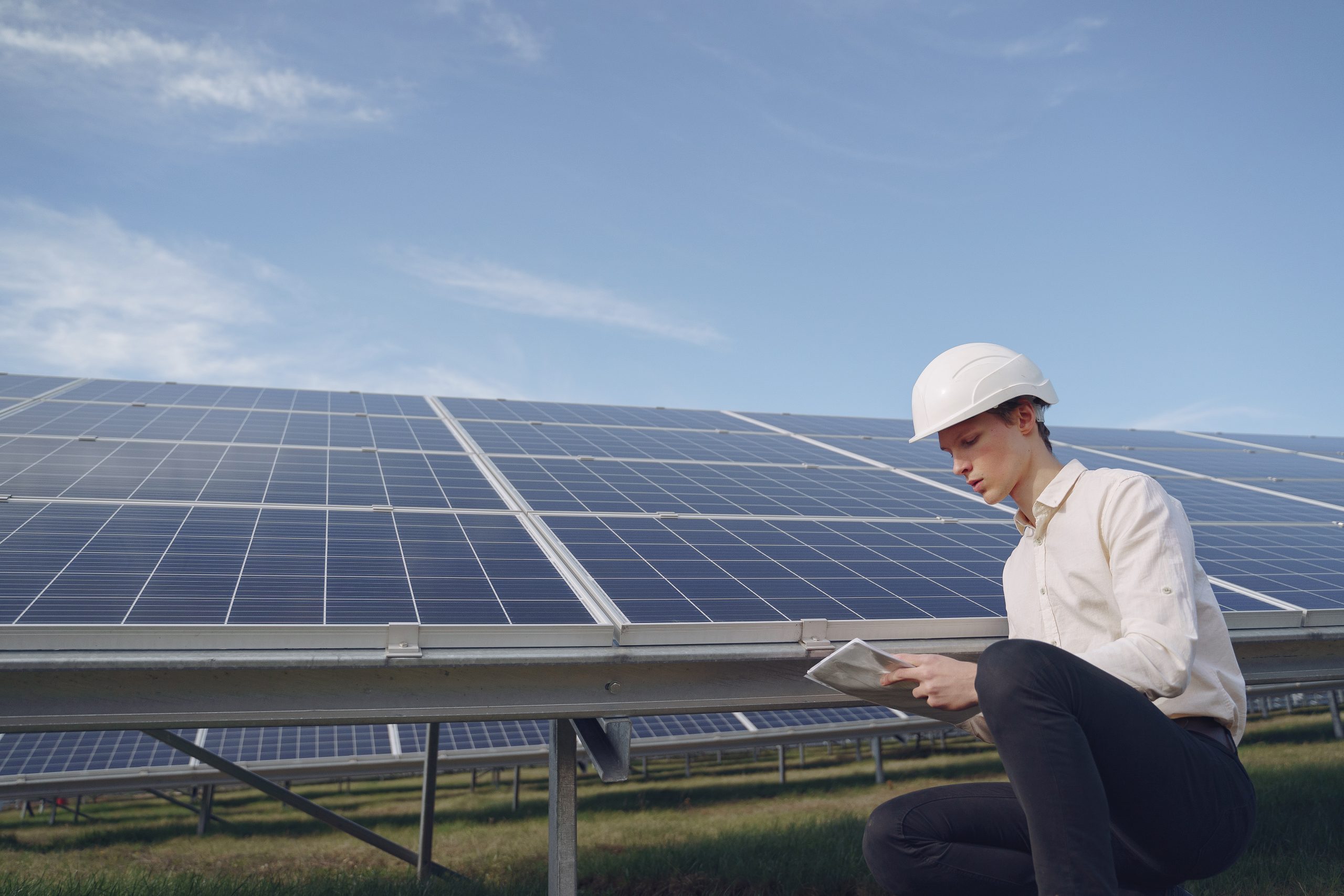
Taiwan’s solar photovoltaic (PV) industry is gaining momentum as the country accelerates its renewable energy transition and works towards its net-zero emissions target by 2050. The growing deployment of rooftop and utility-scale solar projects is increasing the need for reliable testing, inspection, and performance evaluation solutions. Solar PV testing equipment, including solar simulators, IV curve tracers, electroluminescence testers, and environmental testing systems, plays an essential role in ensuring module quality and operational efficiency. With installed solar capacity reaching approximately 14.28 GW in 2024, demand for advanced testing technologies is expected to strengthen through 2035.
Key Market Drivers: Expanding solar installations and technological advancements are driving equipment demand
Rising Solar PV Installations and Renewable Energy Targets
Taiwan’s expanding solar energy infrastructure is a major driver of the PV testing equipment market. The government has established a target of achieving 31 GW of cumulative solar PV capacity by 2030, compared with approximately 14.28 GW at the end of 2024. This expansion will require extensive testing capabilities across manufacturing, installation, and maintenance activities. As developers invest in rooftop, commercial, and large-scale solar projects, demand for equipment that evaluates module efficiency, electrical performance, insulation, and durability is increasing. Testing solutions will also become increasingly important for maintaining long-term energy generation.
Growing Focus on Solar Module Quality and Performance
The need to maintain consistent solar module quality is encouraging manufacturers and testing laboratories to adopt sophisticated inspection technologies. Equipment such as electroluminescence testers, flash testers, solar simulators, and environmental chambers helps identify microcracks, defects, power degradation, and other performance-related issues. Taiwan’s exposure to high humidity, heavy rainfall, and typhoons further increases the importance of durability testing. Consequently, manufacturers are investing in advanced testing systems to improve product reliability, reduce warranty claims, and meet international certification requirements.
Technological Advancements and Smart Manufacturing
The integration of automation, artificial intelligence, and digital monitoring is creating additional opportunities in the market. Automated testing equipment enables manufacturers to conduct faster inspections while reducing manual intervention and measurement inconsistencies. Furthermore, growing interest in high-efficiency technologies, including TOPCon, heterojunction (HJT), and bifacial solar modules, is increasing the requirement for specialized performance testing systems. These developments are encouraging equipment suppliers to introduce more accurate, automated, and technologically advanced solutions.
Government Support and Renewable Energy Initiatives are strengthening industry development
Taiwan’s government is supporting solar energy expansion through its renewable energy policies and net-zero transition initiatives. The country aims to achieve 31 GW of solar PV capacity by 2030 and 40–80 GW by 2050. Additionally, the Residential Rooftop Solar Energy Installation Acceleration Plan (2025–2028) has allocated NT$4.08 billion in incentives, targeting an additional 1.2 GW of rooftop capacity. These initiatives are expected to stimulate investments in solar manufacturing, testing infrastructure, and quality assurance technologies.
Competitive Landscape: Technology capabilities and testing accuracy shape industry competition
The Taiwan solar PV testing equipment market includes specialized testing equipment manufacturers, international technology suppliers, and third-party testing and certification organizations. Companies and institutions such as Chroma ATE, ITRI, Taiwan Electric Research & Testing Center (TERTEC), TÜV Rheinland, and other testing service providers contribute to the broader testing ecosystem. Competition is increasingly centered on measurement accuracy, automation, equipment reliability, and compliance with IEC and CNS standards. Suppliers offering integrated testing solutions and advanced inspection capabilities are expected to strengthen their market presence.
Market Challenges: Investment requirements and industry constraints influence adoption
High Equipment Costs and Technical Complexity
Advanced solar PV testing systems, particularly automated inspection equipment and environmental simulation chambers, require substantial capital investment. This can create adoption barriers for smaller manufacturers and independent testing laboratories. Additionally, operating sophisticated equipment requires trained technical professionals and regular calibration.
Supply Chain and Infrastructure Limitations
Dependence on specialized components, imported technologies, and international suppliers can expose equipment manufacturers to supply chain disruptions and procurement delays. Furthermore, fluctuations in solar installation activity and project approval timelines may affect equipment purchasing decisions, creating uncertainty for market participants.
Future Outlook
The Taiwan solar PV testing equipment market is expected to witness steady development through 2035, supported by renewable energy expansion, increasing quality requirements, and technological innovation. The government’s 31 GW solar capacity target for 2030 will create opportunities across module testing, electrical safety evaluation, and field performance monitoring. Meanwhile, the adoption of AI-enabled inspection, automated testing systems, and advanced characterization technologies will reshape equipment requirements. Growing emphasis on module durability, recycling, and long-term operational efficiency will further support demand. Overall, suppliers offering accurate, efficient, and cost-effective testing solutions are likely to benefit from Taiwan’s evolving solar energy ecosystem.
Consultants at Nexdigm, in their latest publication “Taiwan Solar PV Testing Equipment Market Outlook to 2035,” analyze the sector by Product Type (Cell Characterization Systems, Module Durability Testers, Inverter and BOS Testing Equipment, In-Line Inspection Sensors), By Facility Type (Research and Development Labs, Tier 1 Module Manufacturing Lines, Third-Party Certification Centers), and By Testing Technology (Optical Metrology, Electrical Impedance Spectroscopy, Thermal Imaging Analysis).
Nexdigm suggests that businesses should invest in advanced, automated solar PV testing solutions, strengthen partnerships with manufacturers and testing laboratories, and adopt AI-driven inspection technologies. Aligning equipment capabilities with emerging solar technologies and international quality standards will help companies capture Taiwan’s growing market opportunities through 2035.
To take the next step, simply visit our Request a Consultation page and share your requirements with us.
Harsh Mittal
+91-8422857704