
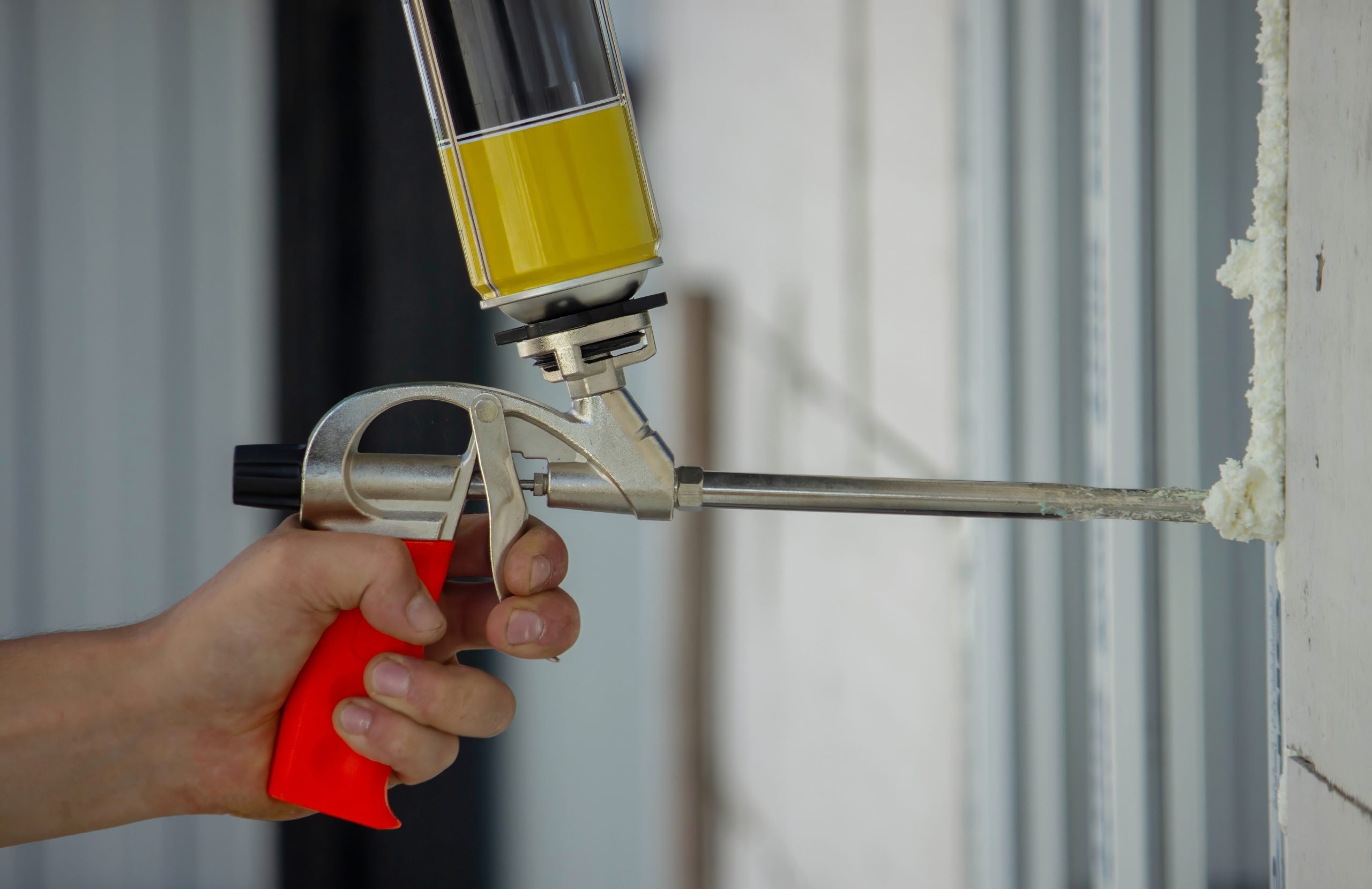
Thailand’s adhesives and sealants market is entering a structurally growth phase, supported by construction, packaging, automotive, electronics, and expanding industrial investment. One recent industry estimate values the market at about USD 1.8 billion in 2026 and projects it to reach USD 3.23 billion by 2035, implying roughly 6.7% CAGR. Packaging remains a major demand center, while automotive and electronics are creating faster-growing opportunities for higher-performance bonding and sealing solutions. The market is also shifting toward water-based, hot-melt, reactive, and lower-VOC technologies as manufacturers balance performance, sustainability, and regulatory requirements.
Growth Drivers Advancing the Thailand Adhesives and Sealants Industry
Packaging and E-Commerce Expansion
Thailand’s large food-processing, consumer-goods, and export industries create steady demand for carton sealing, labels, flexible packaging, and case packing. E-commerce and modern retail are further increasing the need for reliable hot-melt and water-based adhesives. Packaging represented about 36.1% of Thailand’s adhesives and sealants revenue in 2025, according to Mordor Intelligence. Flexible packaging is also moving gradually toward solvent-free and water-based systems, creating opportunities for suppliers offering lower-emission formulations.
Automotive and EV Manufacturing
Thailand’s automotive base is becoming an important growth engine as EV assembly, battery-related manufacturing, lightweighting, and component localization expand. Adhesives are increasingly used for structural bonding, composites, thermal management, battery assembly, glazing, and noise-vibration applications. Automotive is projected to be one of the faster-growing end-use segments, while polyurethane is forecast to expand at about 7.17% CAGR in the adhesives and sealants market through 2031. This favors suppliers capable of delivering fast-curing, heat-resistant, and durable formulations.
Construction, Electronics and Infrastructure
Infrastructure development, commercial buildings, waterproofing, glazing, flooring, and renovation continue to support sealant consumption. At the same time, electronics manufacturing is creating demand for specialty epoxies, silicones, underfills, and thermal-management materials. Thailand’s Eastern Economic Corridor is particularly important because it combines industrial infrastructure with automotive, and advanced-manufacturing investment.
Government Initiatives Supporting Thailand Adhesives and Sealants Industry
Thailand’s policy environment supports demand by encouraging domestic manufacturing and targeted industries. The EEC framework targets THB 500 billion in actual investment between 2023 and 2027, while prioritizing infrastructure, targeted industries, skills, and sustainability. The Board of Investment also promotes local content in EV and electrical-appliance supply chains, including thresholds of 40% for BEVs and 15% for EV parts, alongside tax incentives.
Competitive Dynamics Across Thailand Adhesives and Sealants Growth
The competitive environment combines global chemical companies, specialist formulators, and Thai distributors and manufacturers. Major names identified in industry research include Henkel, 3M, Sika, H.B. Fuller, Arkema, Dow, Huntsman, and local participants such as Selic. Competition increasingly centers on technical performance, particularly in EVs, electronics, packaging, and construction. Suppliers with local technical support, application engineering, reliable distribution, and low-VOC product portfolios are likely to gain an advantage.
Challenges Affecting Thailand Adhesives and Sealants Industry
Adhesive and sealant producers remain exposed to fluctuations in petrochemical feedstocks, energy costs, foreign exchange, and imported specialty chemicals. Thailand’s flexible-packaging adhesive segment sources a substantial share of specialty formulations from regional chemical hubs, increasing exposure to freight and supply disruptions.
Regulatory and Sustainability Pressure
Tighter VOC, food-contact, and environmental expectations are raising formulation and compliance costs. Solvent-based products remain important in several applications, but customers increasingly seek water-based, solvent-free, hot-melt, and bio-based alternatives. Producers must invest in reformulation while maintaining bond strength, curing speed, and cost competitiveness.
Intense Market Competition and Pricing Pressure
The Thailand adhesives and sealants market faces strong competition from international brands and local manufacturers. Price-sensitive customers often prioritize cost-effective solutions, putting pressure on profit margins. Smaller producers may also struggle to match the advanced technologies, product quality, and technical support offered by established players. Companies must therefore focus on product innovation, efficient production, and customer-specific solutions to maintain competitiveness.
Future Outlook
In the upcoming years, Thailand’s adhesives and sealants industry is positioned for sustained expansion through 2035 as industrial diversification increases demand for advanced bonding and sealing technologies. Growth should increasingly come from value-added applications rather than commodity volumes alone. EV batteries, lightweight vehicles, electronics, smart appliances, premium packaging, and energy-efficient construction can support demand for polyurethane, silicone, epoxy, UV cured, and solvent-free systems. Industry forecasts indicate growth of roughly 6 to 7% annually, although performance will depend on industrial investment, raw-material costs, regulations, and export conditions. Suppliers combining sustainability with application-specific performance should be best positioned for long-term growth.
Consultants at Nexdigm, in their latest publication “Thailand Adhesives and Sealants Market Outlook to 2035,” analyze the sector By (Market Definition and Scope, Thailand Adhesives and Sealants Market Classification, Adhesive and Sealant Product Mapping), By End-Use (Industry Assessment, Domestic Manufacturing Assessment, Production Capacity Mapping).
Nexdigm suggests that businesses in the Thailand adhesives and sealants market focus on product innovation, sustainable formulations, and high-growth end-use industries. Companies should capitalize on rising construction, automotive, packaging, and manufacturing demand while strengthening distribution networks and competitive positioning through 2035.
To take the next step, simply visit our Request a Consultation page and share your requirements with us.
Harsh Mittal
+91-8422857704