
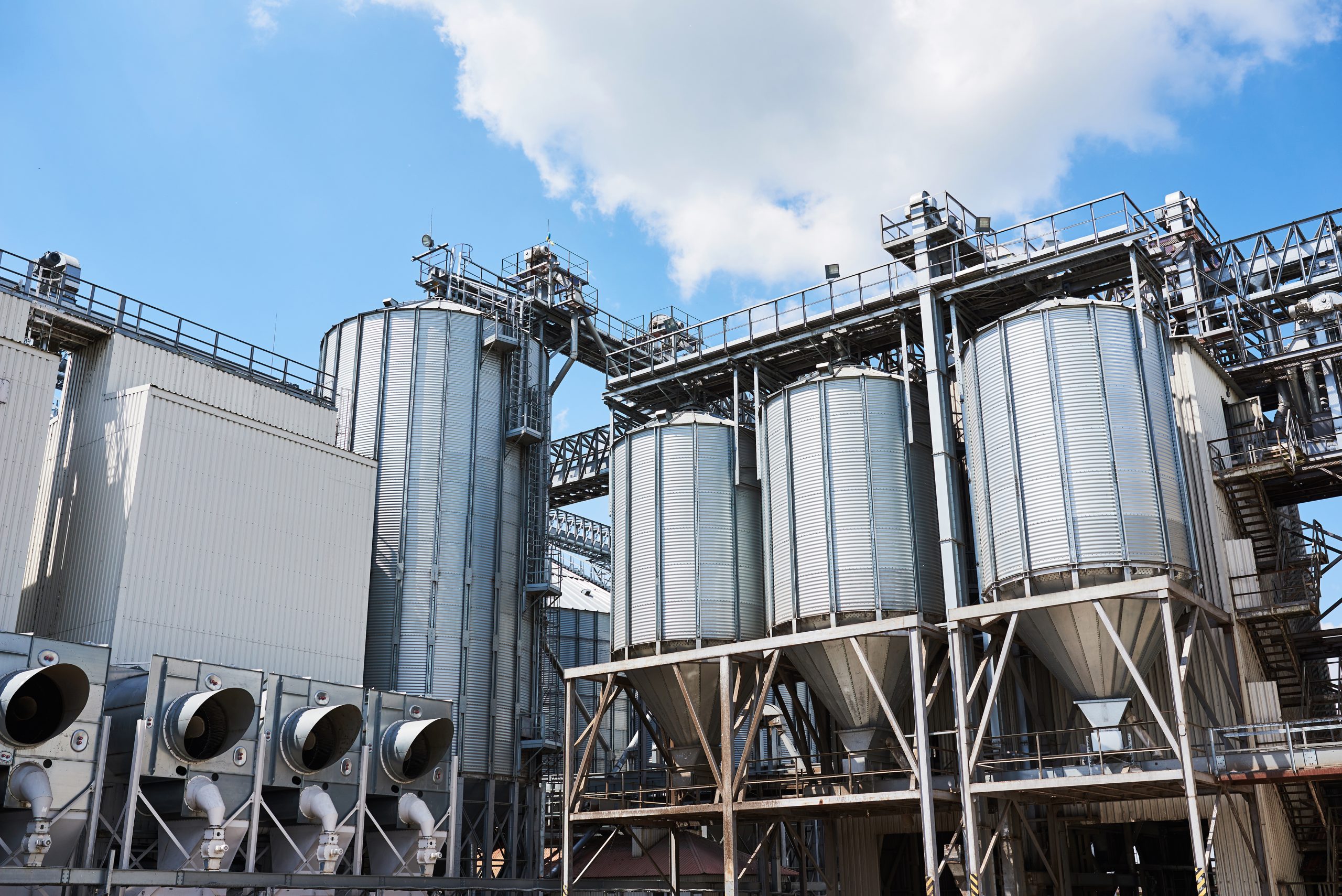
Thailand’s industrial sector continues to evolve as manufacturers invest in advanced production facilities, cleaner energy solutions, and high-value manufacturing. Air Separation Units (ASUs), which produce industrial gases such as oxygen, nitrogen, and argon, play a critical role in supporting industries including petrochemicals, healthcare, electronics, steel processing, and food manufacturing. As manufacturing contributes nearly 24% of Thailand’s GDP, the country remains one of Southeast Asia’s leading industrial hubs. Growing investments in industrial estates, petrochemical complexes, and next-generation manufacturing are creating sustained demand for reliable industrial gas supplies. Consequently, the Thailand Air Separation Unit Market is witnessing steady expansion as businesses seek efficiency, safety, and operational reliability.
Market Drivers Advancing the Thailand Air Separation Unit Industry
Expanding Manufacturing and Industrial Base Fuels ASU Demand
One of the strongest drivers of the Thailand Air Separation Unit Market is the country’s extensive manufacturing ecosystem. Thailand hosts a diverse industrial landscape covering automotive production, chemicals, electronics, food processing, and metal fabrication. Manufacturing remains a major pillar of the Thai economy, accounting for almost one-quarter of national GDP. These industries rely heavily on oxygen and nitrogen for welding, combustion enhancement, inerting, cooling, preservation, and process control applications. As manufacturers upgrade facilities and increase production capacities, demand for uninterrupted industrial gas supplies continues to rise. Large-scale ASUs offer cost advantages and ensure consistent gas availability, making them a preferred solution for industrial clusters.
Petrochemical Sector Expansion Strengthens Industrial Gas Consumption
Thailand’s petrochemical industry represents another significant demand generator for air separation units. Major industrial complexes located in Map Ta Phut Industrial Estate support extensive refining and petrochemical operations with capacities running into millions of tons annually. Petrochemical facilities require large volumes of oxygen and nitrogen for oxidation processes, safety systems, equipment purging, and operational efficiency. As Thailand continues to strengthen its position as a regional petrochemical hub, industrial gas suppliers are expected to expand production infrastructure, creating new opportunities for ASU installations. The increasing focus on specialty chemicals and high-value industrial products further supports long-term demand for industrial gases across the value chain.
EV Manufacturing and Electronics Investments Create New Opportunities
Thailand is emerging as a leading electric vehicle manufacturing destination in Southeast Asia. Investment in the country’s EV supply chain has exceeded 137 billion baht across numerous projects, while electrified vehicles account for a growing share of vehicle registrations. Battery manufacturing, semiconductor production, electronics assembly, and advanced materials processing require ultra-high-purity nitrogen and other industrial gases. Air separation units are therefore becoming increasingly important to support these next-generation industries. As global companies localize production in Thailand, demand for onsite gas generation and large-scale ASU facilities is likely to increase substantially.
Government Initiatives Supporting the Thailand Air Separation Unit Industry
The Thai government continues to encourage industrial modernization through investment incentives, infrastructure development, and support for advanced manufacturing sectors. Agencies such as the Board of Investment (BOI) actively promote investments in EV production, electronics manufacturing, petrochemicals, and clean technologies. These policies indirectly support the air separation unit industry by expanding industrial activity and attracting foreign investment. Growth in industrial parks and strategic economic corridors is expected to create additional opportunities for industrial gas suppliers and ASU operators.
Competitive Landscape of the Thailand Air Separation Unit Industry
The Thailand Air Separation Unit Market is moderately consolidated and characterized by the presence of global industrial gas companies alongside regional suppliers. Leading participants focus on long-term supply agreements, onsite gas generation projects, and advanced cryogenic technologies. Companies compete through production efficiency, gas purity levels, operational reliability, and customized supply solutions for large industrial customers. Strategic partnerships with petrochemical, electronics, and healthcare organizations remain a key growth strategy across the market.
Challenges Impacting the Thailand Air Separation Unit Sector
High Capital Investment Requirements
Establishing a large-scale air separation unit requires significant upfront investment in cryogenic systems, compressors, storage infrastructure, and distribution networks. This can create barriers for smaller market participants and may delay project implementation.
Energy Consumption and Operating Costs
Air separation is an energy-intensive process. Rising electricity prices and sustainability pressures can affect operating economics for ASU operators. Companies must therefore invest in energy-efficient technologies and process optimization to maintain profitability while meeting environmental expectations.
Future Outlook
The future of the Thailand Air Separation Unit Market appears promising as industrial diversification continues across the country. Growth in petrochemicals, electric vehicles, electronics manufacturing, healthcare infrastructure, and clean-energy projects will sustain demand for oxygen, nitrogen, and argon. Thailand’s strong industrial foundation, expanding investment pipeline, and supportive government policies position the market for long-term development. As companies pursue higher efficiency and production reliability, modern air separation units are expected to become an increasingly important component of the nation’s industrial ecosystem. Advanced digital monitoring, energy-efficient operations, and onsite gas generation solutions are also likely to shape the next phase of market growth.
Consultants at Nexdigm, in their latest publication “Thailand Air Separation Unit Market Outlook to 2035” analyze the sector By Process Technology (Large-Scale Multi-Product Plants and Mid-Scale Modular Distillation Units), By End User Industry (Heavy Manufacturing, Petrochemical Processing and Water Treatment Utilities) and By Supply Chain Model (On-Site Generation and Merchant Bulk Distribution).
Nexdigm suggests that businesses in “Thailand Air Separation Unit Industry” focusses on oilfield, desalination, construction, and industrial applications, strengthen local warehousing, develop application-specific grades, improve technical support, and build resilient sourcing networks to serve expanding energy, water, and manufacturing demand.
To take the next step, simply visit our Request a Consultation page and share your requirements with us.
Harsh Mittal
+91-8422857704