
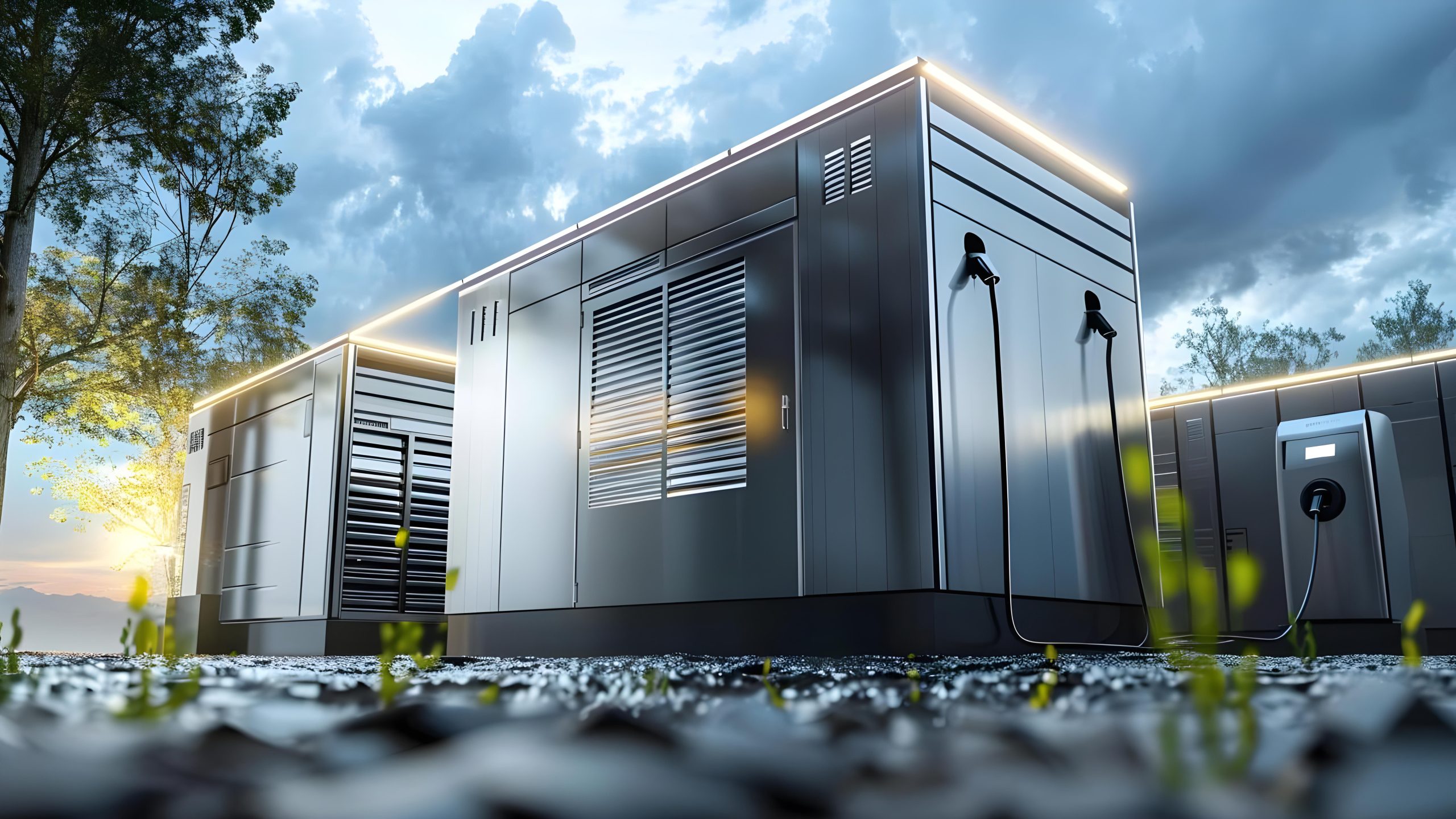
Thailand’s electricity sector is entering a more practical phase of the energy transition. For years, the conversation was largely about adding more solar and cleaner generation to the grid. In 2026, the bigger issue is what happens after that electricity is produced. Solar output peaks in the middle of the day, demand does not always follow the same curve, and grid operators are left managing the mismatch. That is exactly where battery energy storage systems are starting to matter. The market is still early, but it is no longer experimental. Utility developers, industrial power users, and grid planners are all paying closer attention to storage because it solves a real operational problem. In Thailand, this is especially relevant as solar installations continue to grow across utility and commercial segments. Battery systems are gradually becoming less of a technology showcase and more of a grid necessity.
What’s Driving the Battery Energy Storage System Market in Thailand?
Renewable Energy Expansion Needs Better Balancing
Thailand has made visible progress in solar deployment, including utility-scale and floating solar projects. That is a positive shift, but renewable energy only works at scale when the system can absorb and redistribute it efficiently. Midday oversupply is becoming a genuine issue in some operating windows, and curtailment is not a sustainable long-term answer. Battery storage helps smooth that imbalance. Instead of wasting surplus solar power, operators can store it and release it later during the evening demand spike. In practice, this makes renewable assets more useful and financially sensible. It also reduces dependence on quick-start thermal generation, which is often costly and less aligned with long-term decarbonization goals.
Grid Reliability and Peak Load Pressures
Thailand’s grid is under a different kind of pressure now. Urbanization, industrial demand, tourism infrastructure, and cooling loads all contribute to sharp changes in electricity consumption, particularly during hot-weather periods. Traditional peaking solutions can still do the job, but they are not always the smartest option from a cost or emissions standpoint. This is where BESS becomes valuable beyond renewables. Storage can respond in seconds, stabilize voltage and frequency, and help utilities manage peak demand without overbuilding conventional generation. That said, battery deployment is not a plug-and-play fix. The real value depends on dispatch strategy, grid integration, and whether utilities are equipped to use these assets efficiently.
Commercial and Industrial Adoption is Quietly Building
One of the more interesting parts of Thailand’s storage story is unfolding outside the utility space. Large factories, logistics hubs, data centers, and commercial buildings are increasingly looking at battery-backed energy systems to reduce peak demand charges and improve backup capability. For some businesses, this is about economics. For others, it is about operational resilience. A manufacturing facility with sensitive equipment, for example, cannot afford voltage fluctuations or short outages. In those cases, storage starts to look less like a sustainability investment and more like insurance. Adoption is still selective, though. Upfront capital costs remain a sticking point, especially for mid-sized enterprises.
Government-Led Initiatives Supporting Storage Adoption
Thailand’s policy environment is moving in the right direction, even if it is not fully mature yet. Energy planning has become more supportive of flexible generation and hybrid renewable projects, which naturally opens room for storage deployment. Public sector backing has also helped improve confidence among private investors. On the financing side, there is growing interest from development institutions and private lenders in renewable-plus-storage projects. That matters because storage often struggles when treated as a standalone asset. When paired with solar or industrial energy management, the economics become more compelling and easier to finance.
Market Competition and Emerging Project Activity
The competitive landscape is starting to take shape as both international suppliers and regional power companies move in. Firms such as Sungrow, Hitachi Energy, and Banpu are among the names gaining visibility in Thailand’s broader storage and power transition space. What stands out is that project activity is becoming more tangible. A few years ago, many announcements around battery systems in Southeast Asia felt speculative. Thailand now appears to be moving past that stage, though execution quality and bankability will separate serious participants from opportunistic ones.
Revenue Visibility Remains a Real Constraint
A common challenge in Thailand’s BESS market is not technical – it is commercial. Storage can provide multiple services, but monetizing those services consistently is still difficult. Unlike a traditional generation asset, a battery may earn value from peak shaving, reserve capacity, frequency support, or backup use, and not all of those revenue streams are clearly structured today. That uncertainty makes investors cautious. Until pricing frameworks, ancillary markets, or storage-specific procurement models become more defined, some projects will remain harder to justify on paper than they are in operational reality.
Future Outlook
Over the next decade, Thailand’s battery storage market is likely to shift from selective deployment to broader integration across renewable and industrial power systems. Falling battery costs will help, but policy clarity and stronger project economics will matter even more. By 2037, storage should be a normal part of Thailand’s power infrastructure rather than a specialist technology. The most successful players will probably be those that understand not just batteries, but how to integrate them into real power use cases that solve immediate and measurable problems.
Consultants at Nexdigm, in their latest publication “Thailand Battery Energy Storage System Market Outlook to 2037”, analyze the market by Battery Chemistry (Lithium-ion, LFP, NMC, Others), By Application (Utility-Scale, Commercial and Industrial, Renewable Integration, Grid Services, Backup Power), and By End User (Utilities, IPPs, Industrial Facilities, Commercial Establishments). Nexdigm believes that businesses should focus on hybrid project structures, strong offtake visibility, and practical grid-support applications to capture the strongest opportunities in Thailand’s evolving storage market.
To take the next step, simply visit our Request a Consultation page and share your requirements with us.
Harsh Mittal
+91-8422857704