
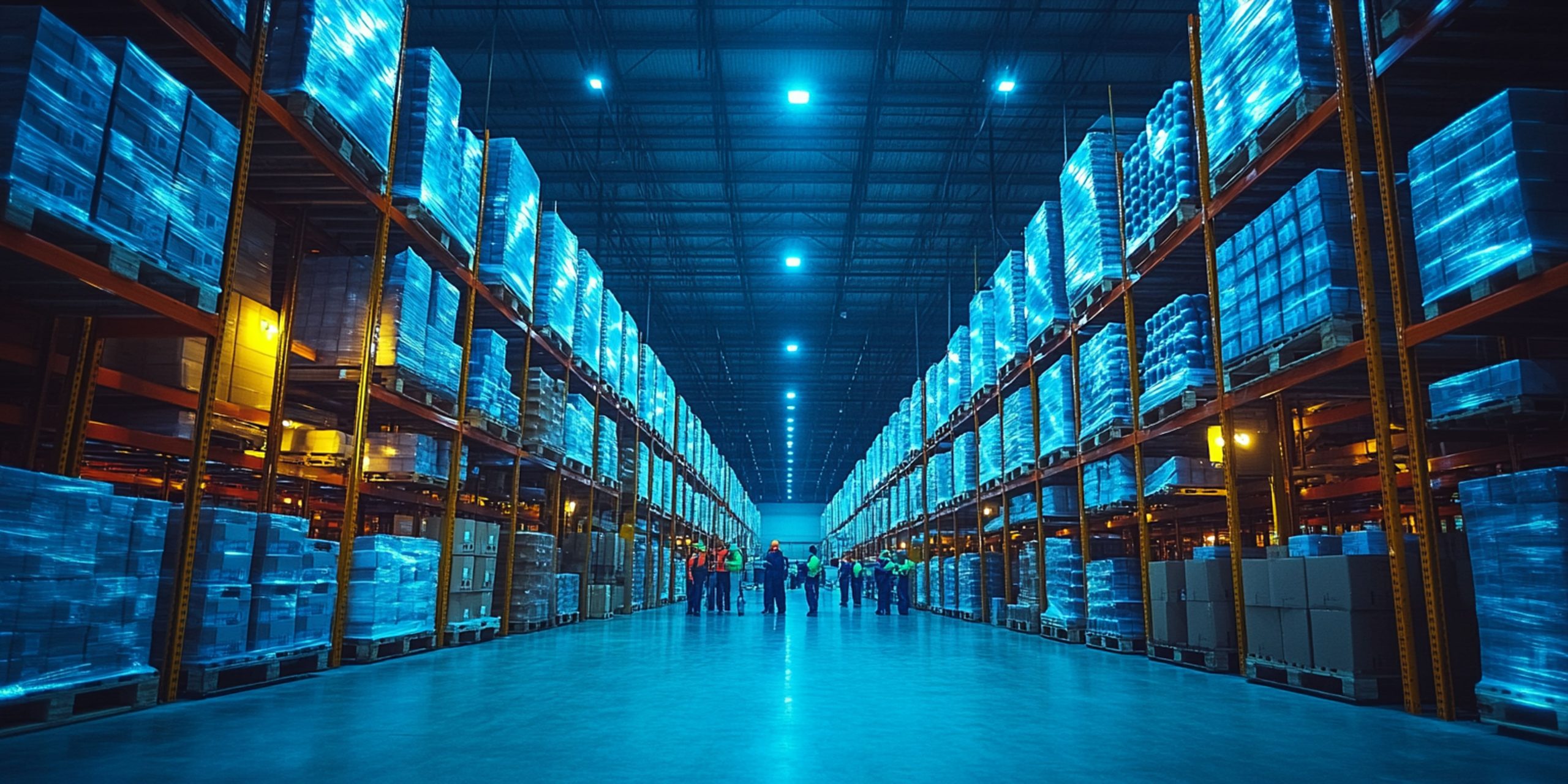
Thailand’s cold chain logistics market is becoming more important than ever as the country strengthens its role in food exports, healthcare distribution, and modern retail supply. In 2026, cold chain is no longer just about frozen seafood or warehouse refrigeration. It now sits at the center of how fresh produce, ready-to-eat meals, vaccines, dairy products, and imported foods move across the country and beyond. That matters because Thailand has long been a manufacturing and export base for temperature-sensitive goods, yet parts of its logistics network have not always kept pace with the quality standards global buyers now demand. The market is gaining momentum from several sides at once. Food processors want fewer spoilage losses. Retailers need tighter replenishment cycles. Pharmaceutical distributors cannot afford temperature excursions. On paper, the opportunity looks straightforward. In practice, building a reliable cold chain in a tropical climate is expensive, energy-intensive, and operationally unforgiving. That is exactly why this market is attracting serious investment and attention heading into 2035.
What’s Driving the Cold Chain Logistics Market in Thailand?
Food Exports Still Set the Pace
A large part of Thailand’s cold chain demand still begins with food. The country remains a major exporter of seafood, poultry, tropical fruit, and processed frozen products, and each of these categories depends on strict temperature control from factory gate to final destination. For exporters, this is not simply a logistics issue. One weak handoff between storage and transport can damage product quality, shorten shelf life, or trigger compliance issues with overseas buyers. This matters even more as global importers tighten food safety standards. A frozen shrimp shipment going to Japan or Europe cannot rely on inconsistent reefer handling. So, while demand for cold storage space is growing, what buyers increasingly want is reliability, not just capacity.
Retail and E-commerce Need Faster, Colder Supply Chains
Thailand’s consumer market is also changing the shape of demand. Urban households are buying more chilled ready meals, frozen snacks, premium dairy, and imported grocery items than they did a decade ago. Supermarkets, convenience chains, and online grocery platforms have all expanded the need for multi-temperature warehousing and short-haul refrigerated delivery. On the ground, this creates a very different logistics requirement from export shipping. Retail distribution needs speed, route precision, and the ability to handle smaller, more frequent deliveries. That is where many operators still have work to do. Large warehouse capacity helps, but city-level distribution is where service quality is often won or lost.
Healthcare Logistics Is Becoming Harder to Ignore
Cold chain in Thailand is no longer a food-only story. Pharmaceutical logistics is taking a larger share of industry attention, especially as biologics, vaccines, specialty medicines, and insulin products require stricter handling conditions. This segment may not always match food in volume, but it often demands a much higher level of control. There is also less room for error. A delayed frozen food shipment may create a commercial loss. A mishandled pharmaceutical consignment can create a regulatory and patient safety problem. That difference is pushing some logistics providers to upgrade monitoring systems, insulated packaging, and validation protocols in ways that could raise standards across the broader market.
Government-Led Initiatives Supporting Cold Chain Development
Government support is not always directed specifically at cold chain, but it is still shaping the market. Thailand’s efforts to strengthen food processing, healthcare manufacturing, and industrial logistics have indirectly created a stronger case for temperature-controlled infrastructure. Investment promotion around warehousing, industrial estates, and higher-value exports has also encouraged private players to expand capacity. That said, policy support alone will not solve execution gaps. The more meaningful shift is that cold chain is now being treated as essential infrastructure rather than a niche backend service. That is an important mindset change for the market.
Market Competition and Infrastructure Expansion
The Thailand cold chain logistics market remains moderately concentrated, with established operators such as SCGJWD, DHL Supply Chain, Kerry Logistics, and several specialist cold storage providers shaping the organized segment. Some are building scale, while others are trying to differentiate through service reliability, pharma compliance, or urban distribution capability. Recent capacity additions point to where the market is headed. New cold storage projects, including larger multi-temperature facilities near Bangkok and surrounding industrial zones, suggest that operators are preparing for more than just export demand. They are preparing for denser domestic distribution as well. That is a smart move, because the next phase of competition will likely be won through execution, not warehouse size alone.
High Operating Costs and Uneven Infrastructure
A common challenge in Thailand’s cold chain market is that demand may be rising faster than operational readiness in some areas. Refrigerated fleets are expensive to maintain, electricity costs can weigh heavily on margins, and warehouse automation does not come cheap. Outside key logistics corridors, cold storage access and delivery consistency can still be patchy. This creates a real trade-off. Customers want tighter service standards, but many are still price-sensitive. As a result, operators often have to choose between protecting margins and upgrading service quality. That tension is likely to stay with the market for some time.
Future Outlook
Thailand’s cold chain logistics market has a strong long-term case, but the real winners will be those that combine infrastructure with operational discipline. By 2035, the market will likely look more specialized, with stronger segmentation across food exports, domestic retail, and pharmaceutical handling. Technology such as IoT sensors, route optimization, warehouse automation, and real-time temperature tracking will become less of a premium feature and more of a baseline requirement.
Consultants at Nexdigm, in their latest publication “Thailand Cold Chain Logistics Market Outlook to 2035”, believe businesses should focus on energy-efficient facilities, multi-temperature warehousing, and higher compliance standards while tapping into food exports, healthcare distribution, and modern retail as the most durable demand pockets in the years ahead.
To take the next step, simply visit our Request a Consultation page and share your requirements with us.
Harsh Mittal
+91-8422857704