
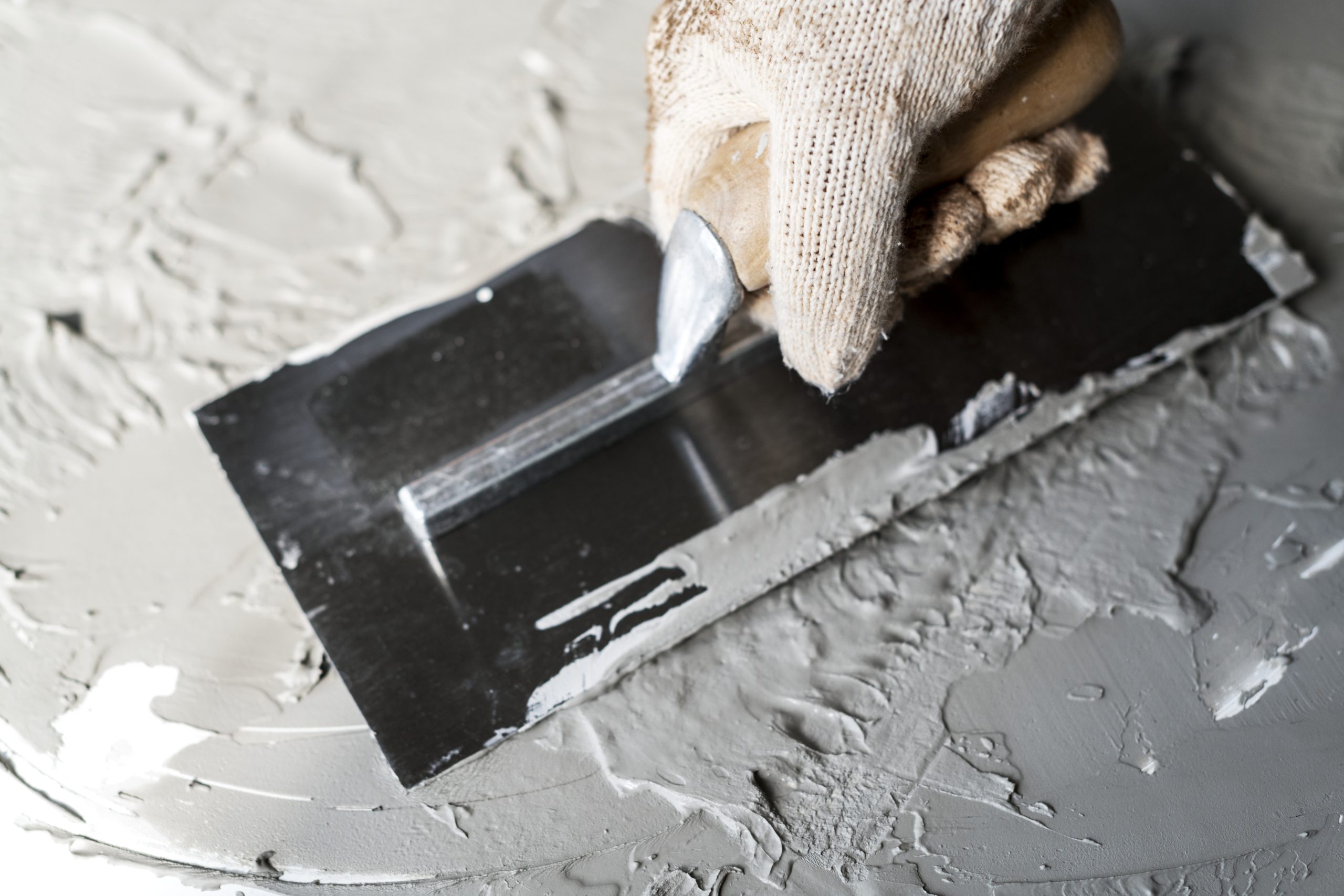
The Thailand concrete repair mortars market is experiencing steady development, supported by infrastructure modernization, industrial expansion, and increasing demand for durable construction materials. Concrete repair mortars are used to restore damaged structures, repair cracks, improve structural integrity, and extend the service life of bridges, highways, buildings, and industrial facilities. Thailand’s transport infrastructure development plan included approximately 136.49 billion baht across 223 projects in 2025, highlighting continued infrastructure investment. Growing transportation maintenance requirements, expanding industrial facilities, and increasing emphasis on structural durability are creating favorable opportunities for advanced concrete rehabilitation solutions across the country’s construction industry.
Key Market Drivers of Thailand Concrete Repair Mortars Market
Infrastructure Development Accelerates Concrete Repair Mortars Demand
Thailand’s expanding transportation infrastructure is creating significant opportunities for concrete repair mortar manufacturers. The country’s infrastructure development program includes investments in highways, bridges, railway networks, airports, and regional transportation corridors. The government outlined 64 transportation projects worth approximately 116.96 billion baht for 2026, reflecting continued infrastructure development. Concrete repair mortars play an important role in restoring damaged concrete surfaces, addressing structural cracks, and protecting infrastructure against deterioration. Increasing emphasis on transportation safety, preventive maintenance, and long-term structural performance is encouraging contractors to adopt high-performance repair formulations. Rehabilitation requirements across existing infrastructure are supporting demand for polymer-modified cementitious mortars, epoxy-based systems, and specialized structural repair materials.
Industrial Expansion and Urban Development Strengthen Market Growth
Thailand’s established manufacturing sector and expanding industrial facilities are supporting demand for concrete rehabilitation solutions. Industrial estates, warehouses, logistics centers, commercial buildings, and manufacturing plants require durable concrete structures capable of withstanding heavy loads and demanding operating conditions. Development initiatives across the Eastern Economic Corridor are encouraging investment in industrial infrastructure and transportation connectivity. Increasing renovation activities and emphasis on extending the service life of industrial assets are strengthening demand for high-strength repair mortars, rapid-setting formulations, and chemical-resistant repair systems.
Tropical Climate and Structural Durability Create Additional Opportunities
Thailand’s tropical climate, high humidity, heavy rainfall, and coastal exposure can accelerate concrete deterioration and reinforcement corrosion. These conditions encourage the adoption of moisture-resistant, corrosion-resistant, and high-performance repair mortars. Growing awareness of preventive maintenance and sustainable construction is further supporting demand for durable rehabilitation materials.
Government Supporting Thailand Concrete Repair Mortars Industry Development
Government infrastructure initiatives are creating favorable conditions for Thailand’s concrete repair mortars market. The national transportation development plan includes investments in road networks, railways, airports, and logistics infrastructure. The Eastern Economic Corridor development program also supports industrial infrastructure and regional connectivity. Thailand’s broader economic stimulus initiatives have included funding for road improvements, transportation safety, and water infrastructure. Continued emphasis on infrastructure modernization, public safety, and long-term asset maintenance is expected to encourage adoption of advanced concrete repair technologies.
Competitive Dynamics Across Thailand Concrete Repair Mortars Industry
The Thailand concrete repair mortars market includes established construction chemical manufacturers, specialized building-material suppliers, international product providers, and regional distributors. Competition centers on bonding strength, durability, curing performance, moisture resistance, pricing, and application efficiency. Manufacturers offering polymer-modified cementitious mortars, epoxy-based repair systems, structural repair compounds, and rapid-setting formulations can differentiate through technical performance and consistent product quality. Strong distribution networks, contractor partnerships, reliable material availability, and application-specific technical assistance are becoming increasingly important for maintaining competitiveness across infrastructure and industrial construction projects.
Challenges Influencing Thailand Concrete Repair Mortars Industry
Raw Material Costs and Supply Chain Volatility
Concrete repair mortar manufacturers face challenges related to fluctuating prices of cement, polymers, chemical additives, and specialty raw materials. Dependence on imported chemical inputs, transportation expenses, and supply-chain disruptions can increase production costs and affect product availability. Maintaining competitive pricing while ensuring consistent product quality remains challenging.
Skilled Labor and Environmental Application Conditions
Concrete rehabilitation requires trained professionals for surface preparation, material selection, mixing, and installation. Limited technical expertise and inconsistent application practices can reduce repair effectiveness. Thailand’s high humidity, heavy rainfall, and variable construction-site conditions can further complicate curing processes and project execution.
Future Outlook
The Thailand concrete repair mortars market is expected to maintain steady growth, supported by infrastructure rehabilitation, industrial development, urban expansion, and increasing demand for durable construction materials. Continued investments in transportation networks, industrial estates, commercial facilities, and public infrastructure should create additional opportunities for repair material manufacturers. Growing adoption of polymer-modified mortars, rapid-setting formulations, high-strength repair compounds, and sustainable construction technologies is likely to improve rehabilitation efficiency. Suppliers offering reliable regional distribution, customized products, technical expertise, and cost-effective repair solutions should remain well positioned to capitalize on emerging opportunities through 2035.
Consultants at Nexdigm, in their latest publication “Thailand Concrete Repair Mortars Market Outlook to 2035,” analyze the sector By Repair Depth Category (Surface Cosmetic Patching, Structural Section Repair, Deep Cavity Grouting), By Geographic Region (Bangkok Metropolitan Region, Eastern Economic Corridor, Northern Industrial Hubs, Southern Coastal Provinces), By Distribution Channel (Direct B2B Project Supply, Specialized Construction Chemical Distributors, Modern Trade Hardware Chains, E-commerce Construction Marketplaces
Nexdigm suggests that businesses in the Thailand Concrete Repair Mortars Industry should strengthen regional distribution networks, target infrastructure rehabilitation and industrial maintenance opportunities, develop moisture-resistant and high-performance formulations, improve contractor partnerships, and expand technical support capabilities to enhance competitiveness and support long-term market growth.
To take the next step, simply visit our Request a Consultation page and share your requirements with us.
Harsh Mittal
+91-8422857704