
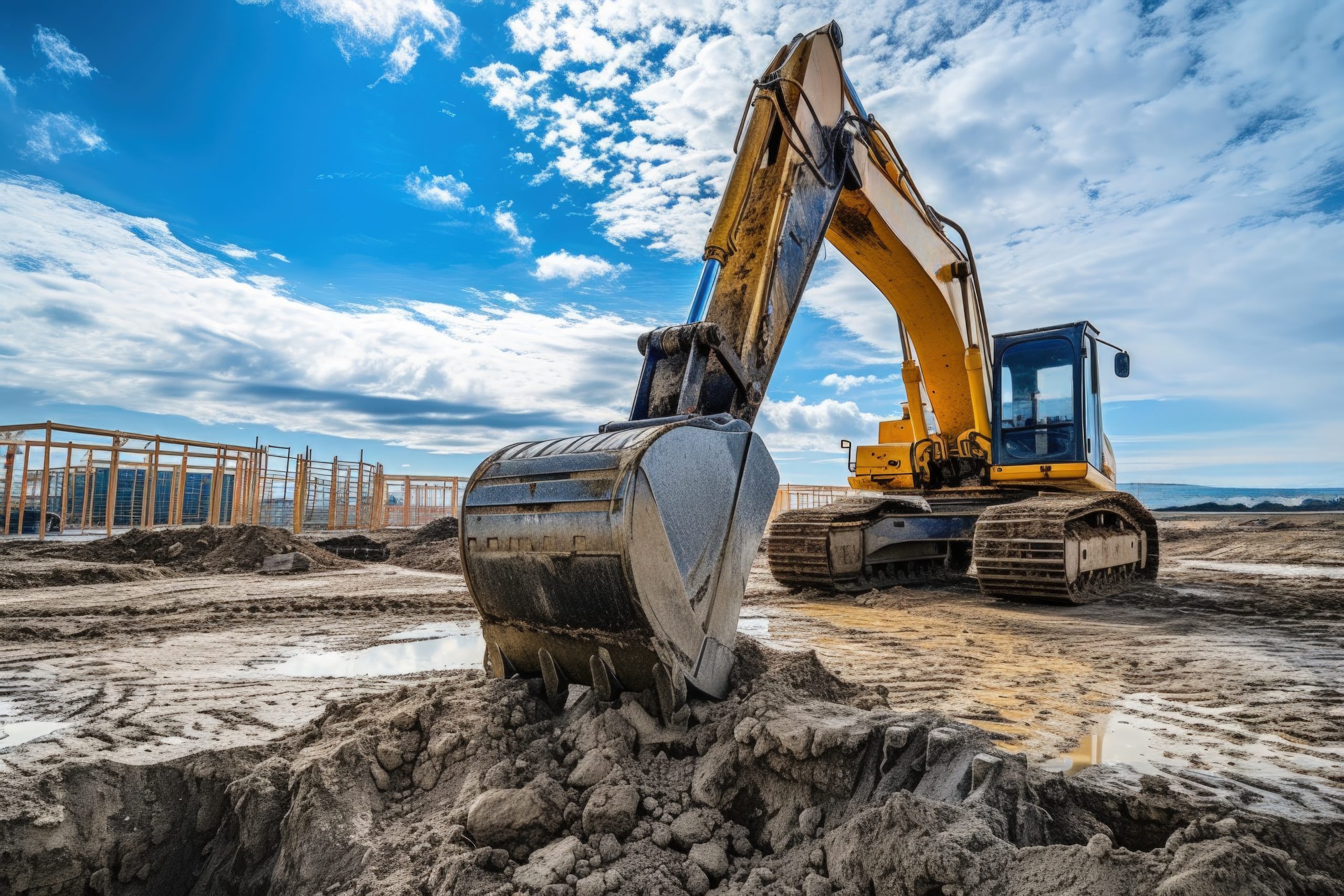
Thailand construction equipment industry is experiencing steady expansion, supported by large-scale infrastructure projects, industrial corridor development, and increasing adoption of advanced machinery. The industry was valued at approximately USD 2.45 billion, with forecasts indicating growth at a 5.8% CAGR, reaching nearly USD 4.29 billion by the end of the forecast period. Demand for excavators, tower cranes, piling rigs, and telematics-enabled equipment is rising as contractors seek higher productivity, improved fuel efficiency, and compliance with evolving environmental regulations. Growing urbanization and transportation upgrades continue to strengthen the sector’s long-term prospects.
Market Drivers Advancing Thailand Construction Equipment Growth
Expansion of Infrastructure and Urban Development Projects
Thailand ongoing investments in transportation networks, mass transit systems, highways, and residential developments are creating strong demand for construction machinery. Bangkok remains a major center for infrastructure expansion, requiring advanced equipment for high-density urban construction projects. Rising investments in rail connectivity and public works are boosting the utilization of excavators, cranes, and earthmoving machinery across the country. Large construction projects demand equipment capable of handling complex operations while maintaining efficiency and safety standards. As a result, contractors are increasingly upgrading fleets with technologically advanced machinery to improve project execution timelines.
Growth of the Eastern Economic Corridor
The Eastern Economic Corridor (EEC) has emerged as a significant growth catalyst for Thailand’s construction equipment sector. Industrial hubs such as Rayong continue to attract investments in petrochemicals, manufacturing facilities, logistics centers, and industrial estates. These developments generate substantial requirements for excavation, material handling, and site preparation equipment. The expansion of industrial infrastructure around strategic economic zones is encouraging both domestic contractors and international equipment suppliers to increase their market presence. As industrial construction activity rises, demand for specialized heavy machinery is expected to remain strong.
Increasing Adoption of Smart and Fuel-Efficient Equipment
Contractors are increasingly adopting telematics-enabled and GPS-integrated machinery to improve fleet management. These technologies help monitor equipment performance, optimize fuel consumption, reduce downtime, and enhance operational efficiency. The shift toward digital fleet management is also improving equipment utilization rates across construction sites. In addition, demand for Tier 4-compliant engines and environmentally efficient machinery is growing as firms seek sustainable construction practices while meeting regulatory requirements.
Government Initiatives Supporting Thailand Construction Equipment Industry
The Thai government continues to promote infrastructure modernization through transportation, logistics, and industrial development programs. Investments under the Eastern Economic Corridor initiative encourage industrial expansion and large-scale construction activities. Furthermore, enforcement of stricter emission regulations by the Department of Industrial Works is accelerating the adoption of cleaner and more efficient machinery. Public investment in transit systems, highways, and urban development projects is expected to provide sustained support for industry growth while encouraging technological modernization across equipment fleets.
Competitive Landscape of Thailand Construction Equipment Industry
The competitive environment includes both global and regional manufacturers focusing on product innovation, localization, and after-sales service expansion. Major participants are strengthening dealer networks and introducing telematics-enabled equipment to meet evolving customer requirements. Companies are also increasing local assembly operations to improve supply chain efficiency and reduce exposure to import-related challenges. Competition is increasingly centered on fuel efficiency, equipment reliability, digital monitoring capabilities, and compliance with environmental standards.
Challenges Impacting Thailand Construction Equipment Industry
Rising Compliance and Equipment Upgrade Costs
The implementation of stricter emission standards is increasing capital expenditure requirements for contractors. Many firms must invest in newer machinery equipped with compliant engines, creating financial pressure, particularly for smaller construction businesses.
Supply Chain and Economic Uncertainties
Construction equipment suppliers continue to face challenges associated with fluctuating raw material prices, import tariffs, and global supply chain disruptions. These factors can affect equipment pricing, project costs, and procurement timelines, potentially impacting sector profitability and investment decisions.
Future Outlook
The future of the Thailand construction equipment industry is expected to maintain steady growth as investments in transportation infrastructure, industrial estates, logistics hubs, and urban development projects continue to expand across the country. Ongoing development of the Eastern Economic Corridor (EEC) will generate sustained demand for excavators, cranes, loaders, and material handling equipment, particularly in industrial and commercial construction activities. Rising construction activity in Bangkok and key industrial provinces will further support equipment utilization and fleet expansion.
Consultants at Nexdigm, in their latest publication “Thailand Construction Equipment Market Outlook to 2035 ,” analyze the sector By (Defining Scope of Construction Equipment, Top-Down Infrastructure Investment Analysis,).
Nexdigm suggests that businesses in the Thailand Construction Equipment Industry focus on telematics-enabled machinery, fuel-efficient equipment, and infrastructure-driven opportunities. Leveraging growing demand from the Eastern Economic Corridor and urban development projects can help companies enhance competitiveness, improve operational efficiency, and capitalize on the sector’s steady long-term growth. To take the next step, simply visit our Request a Consultation page and share your requirements with us.
Harsh Mittal
+91-8422857704