
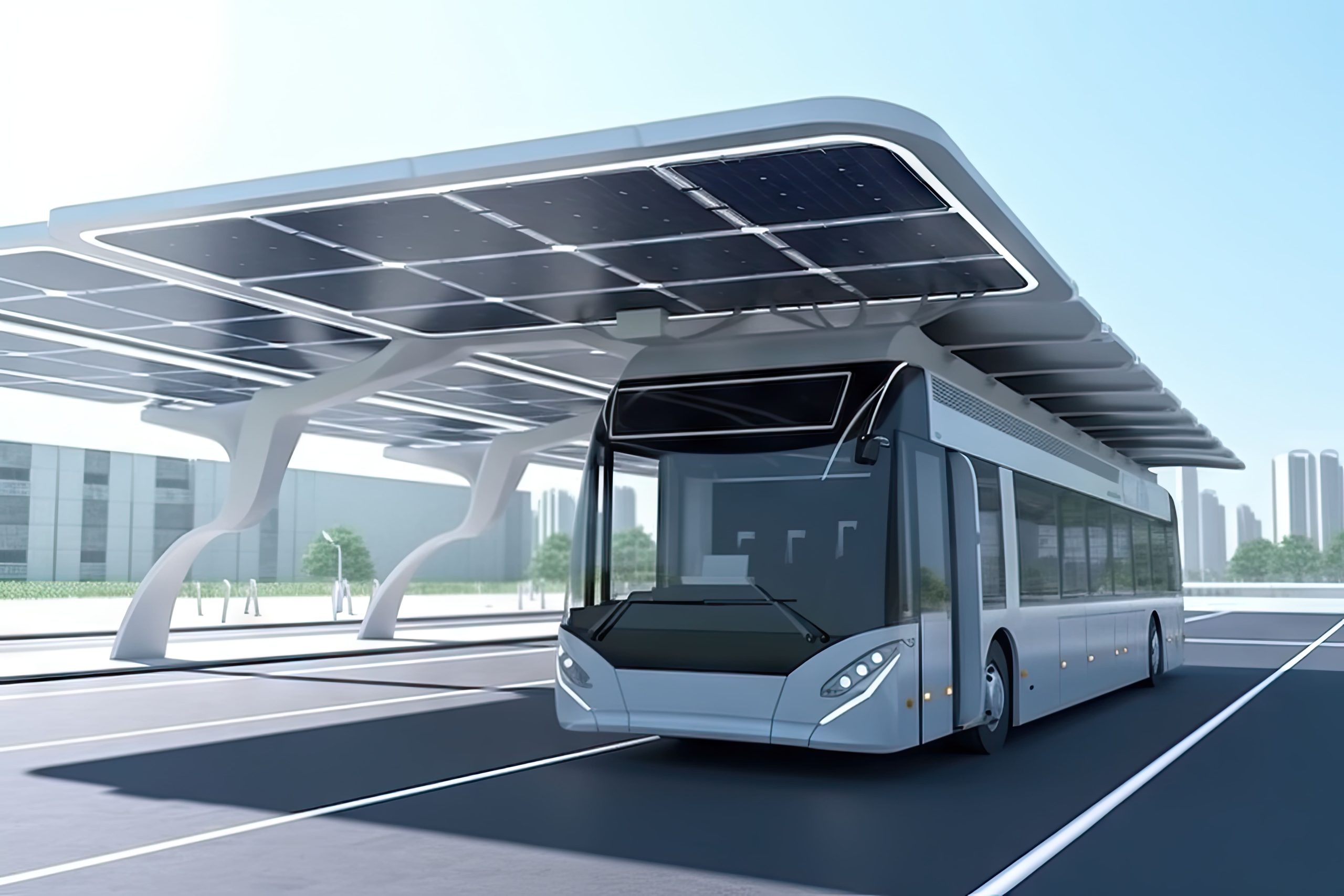
Thailand’s electric bus market has moved beyond the “future mobility” conversation and into a more practical phase. By 2026, the country is no longer just talking about EV ambition in passenger cars – commercial transport is starting to enter the picture too. Electric buses are finding relevance in city transit, airport shuttles, employee transport, and private institutional fleets, particularly where routes are fixed and fuel bills are painful. Bangkok, with its congestion and air quality concerns, naturally sits at the center of this shift. What makes Thailand more interesting than many neighboring markets is that it already has the industrial muscle to support vehicle production locally. That does not guarantee rapid adoption, but it does make the market more believable over the long run.
What’s Driving the Electric Bus Market in Thailand?
Urban Transport Needs Are Changing
For years, Thailand’s public transport discussion was mostly about coverage, affordability, and congestion. Now air quality is becoming part of that conversation in a much bigger way. Electric buses make immediate sense on dense city routes where vehicles run all day, stop frequently, and burn through fuel. In places like Bangkok, replacing even a portion of diesel fleets can have a visible effect, especially on routes passing through highly populated corridors. That said, this is not just about emissions. Electric buses are quieter, smoother, and often better suited to modern urban fleets where passenger experience matters more than it used to.
Local Manufacturing Gives Thailand an Edge
This market has a stronger foundation than it may seem at first glance. Thailand has spent decades building itself into an automotive manufacturing center, and that experience matters when commercial EVs enter the mix. Bus operators are usually conservative buyers for good reason – they care less about novelty and more about uptime, maintenance support, and parts availability. A flashy product means little if it sits in a depot waiting for imported components. Local assembly and regional supplier networks can reduce that risk. In practice, this may become one of the biggest reasons Thailand outpaces several ASEAN peers in electric bus adoption.
Fleet Charging Is Becoming More Realistic
Charging infrastructure tends to dominate every EV discussion, but buses are a slightly different story from private cars. Most fleet vehicles return to the same depot every evening, which makes overnight charging a workable option. That changes the economics and the logistics considerably. Thailand’s progress in EV charging has helped, but for buses the real issue is not public chargers on highways – it is whether operators can build reliable charging at depots, terminals, or transport hubs. Grid readiness, installation costs, and downtime planning still matter. Even so, for large fleet operators, these hurdles are becoming more manageable than they were a few years ago.
Government-Led Initiatives
Thailand’s government has played a useful role in making the EV transition more than a headline. Policies such as the EV3 and EV3.5 schemes were not written solely for buses, but the spillover matters. Tax support, production-linked incentives, and pressure for more local value addition all create better conditions for electric commercial vehicles. The real significance lies in confidence. Manufacturers are more willing to commit when they can see policy consistency, and fleet buyers are more likely to place orders when they believe the supply chain will not disappear in three years. Public procurement will be especially important here. Once government-backed transport fleets adopt at scale, the rest of the market usually follows.
Market Competition
Competition in Thailand’s electric bus space is still developing, and that is not a bad sign. It suggests the market remains open enough for both incumbents and newer entrants. Chinese manufacturers have a clear early advantage because they already offer mature battery-electric bus platforms at relatively aggressive pricing. At the same time, local assemblers and regional commercial vehicle players are not out of the picture. Buyers in this category tend to look beyond brochure specs. Battery warranty, service turnaround, route reliability, and even cabin cooling performance in Thai weather can influence purchasing decisions more than headline range figures.
High Upfront Cost and Operational Complexity
The biggest restraint is still cost, and not just vehicle cost. Electric buses require higher upfront capital, which makes procurement difficult for smaller operators and municipal fleets with tight budgets. Then comes the less visible part: charging equipment, depot redesign, technician training, and battery management. These are not impossible barriers, but they do make the switch more complex than replacing one diesel bus with another. A common challenge is that the savings story only works if buses are used efficiently over time. Poor route planning or underutilization can quickly weaken the business case.
Future Outlook
By 2035, Thailand’s electric bus market could look materially different from where it stands today, though the shift will likely happen in layers rather than all at once. The earliest winners are likely to be public transit operators, airports, industrial zones, and institutions with centralized fleets and predictable routes. Those use cases simply make more sense financially. Over time, as local production deepens and battery costs become less intimidating, adoption should broaden.
Consultants at Nexdigm, in their latest publication “Thailand Electric Bus Market Outlook to 2035”, analyze the market by Bus Type (Battery Electric Bus, Plug-in Hybrid Bus), By Application (Public Transit, Airport Shuttle, Employee Transportation, Private Charter), By Battery Capacity, and By End User (Government Transport Agencies, Private Fleet Operators, Institutions). Nexdigm believes companies should focus less on headline EV enthusiasm and more on financing, charging readiness, and dependable after-sales support – because in this market, execution will matter far more than intent.
To take the next step, simply visit our Request a Consultation page and share your requirements with us.
Harsh Mittal
+91-8422857704