
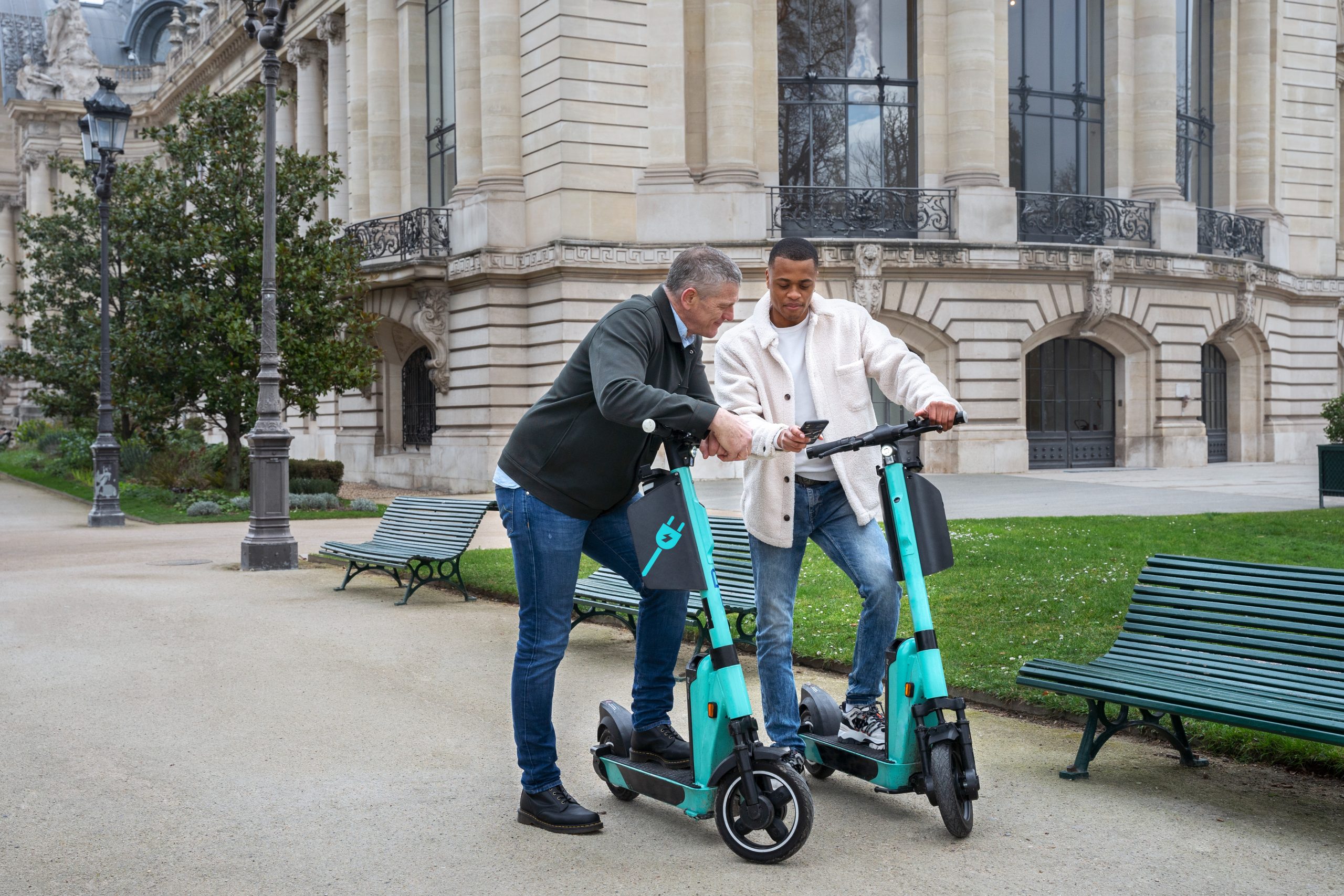
Thailand’s electric two-wheeler battery market is emerging as a promising segment within the country’s expanding electric mobility ecosystem. Rising fuel prices, growing environmental awareness, urbanization, and increasing demand for cost-effective transportation are encouraging the adoption of electric motorcycles and scooters. The market is also benefiting from government initiatives aimed at accelerating electric vehicle adoption and developing domestic manufacturing capabilities. With electric motorcycle registrations reaching approximately 23,970 units in 2025, Thailand presents considerable opportunities for battery manufacturers, technology providers, and investors. By 2035, advancements in battery technology and charging infrastructure are expected to strengthen market expansion.
Key Market Drivers Affecting Thailand Electric Two Wheeler Battery Industry
Increasing Adoption of Electric Motorcycles and Scooters
The growing adoption of electric two-wheelers is a primary driver of battery market development in Thailand. Electric motorcycles are increasingly attracting urban commuters, delivery operators, and commercial fleet owners because of their lower operating and maintenance costs compared with conventional petrol-powered motorcycles. According to the Electric Vehicle Association of Thailand, electric motorcycle registrations increased from approximately 21,904 units in 2023 to 24,976 units in 2024. Although penetration remains relatively low, the country’s large motorcycle ownership base provides significant long-term growth potential. Increasing vehicle adoption will directly stimulate demand for lithium-ion batteries and other advanced battery technologies.
Technological Advancements and Declining Battery Costs
Continuous improvements in battery technology are creating new opportunities for Thailand’s electric two-wheeler battery market. Lithium-ion batteries, particularly lithium iron phosphate (LFP) and nickel-based battery chemistries, are gaining attention because of their energy efficiency, durability, and performance characteristics. Improvements in energy density, charging speed, battery management systems, and thermal management are helping manufacturers develop electric two-wheelers with improved range and reliability. Furthermore, declining battery manufacturing costs and the development of localized battery supply chains are expected to improve vehicle affordability. Battery swapping solutions and removable battery designs are also creating additional demand for standardized battery packs.
Expansion of Delivery Services and Commercial Mobility
The rapid expansion of e-commerce, food delivery, and last-mile logistics is supporting demand for electric two-wheelers in Thailand. Delivery companies and fleet operators are increasingly evaluating electric motorcycles to reduce fuel expenses and operating costs. These applications require reliable, durable batteries capable of supporting frequent charging cycles and extended daily usage. Battery swapping infrastructure is particularly relevant for commercial operators because it minimizes vehicle downtime. As urban logistics activities expand across Bangkok and other major cities, demand for high-performance batteries, replacement packs, and battery management solutions is expected to increase.
Government Support Towards Thailand Electric Two Wheeler Battery Industry
The Thai government is promoting electric mobility through its EV 3.0 and EV 3.5 incentive programmes, which include purchase subsidies and manufacturing-related incentives for electric motorcycles. Under EV 3.5, eligible electric motorcycle buyers can receive subsidies of THB 5,000–10,000, subject to programme conditions. Additionally, Thailand’s 30@30 policy targets electric vehicles accounting for at least 30% of domestic vehicle production by 2030. Government-backed investments in EV infrastructure, battery swapping facilities, and domestic manufacturing are expected to support battery market development through the coming decade.
Competitive Landscape Of Thailand’s Electric Two Wheeler Battery Industry
Thailand’s electric two-wheeler battery market comprises domestic manufacturers, electric motorcycle producers, battery technology companies, and international suppliers. Competition is primarily based on battery pricing, energy density, charging efficiency, durability, safety, and after-sales support. Companies are increasingly focusing on lithium-ion battery solutions, battery swapping technologies, and strategic manufacturing partnerships to strengthen their market positions. The expansion of local electric motorcycle production is also creating opportunities for battery suppliers to establish domestic partnerships and reduce dependence on imported components.
Market Challenges Faced Within Thailand’s Electric Two Wheeler Battery Industry
High Initial Battery Costs and Affordability
The relatively high upfront cost of electric two-wheelers and battery replacement remains a significant market constraint. Price-sensitive consumers may continue preferring conventional motorcycles, particularly when financing options are limited.
Infrastructure and Battery Lifecycle Concerns
Limited standardization across battery swapping networks, uneven charging infrastructure, and concerns regarding battery lifespan, recycling, and replacement costs can restrict consumer confidence. Developing interoperable battery systems and efficient recycling facilities will be important for sustainable market growth.
Future Outlook
Thailand’s electric two-wheeler battery market is expected to witness gradual expansion through 2035, supported by increasing electric motorcycle adoption, technological innovation, and government-backed electrification initiatives. Lithium-ion batteries, battery swapping solutions, and improved battery management systems are likely to remain important areas of development. Growing demand from delivery fleets and urban commuters will create additional opportunities for battery manufacturers and infrastructure providers. Furthermore, investments in localized battery production, recycling, and supply-chain development could strengthen Thailand’s position as a regional electric mobility manufacturing hub. However, long-term growth will depend on affordability, infrastructure accessibility, and sustained policy support.
Consultants at Nexdigm, in their latest publication “Thailand Electric Two Wheeler Battery Market Outlook to 2035,” analyze the sector by By Battery Chemistry and Technology (Lithium Iron Phosphate (LFP), Nickel Manganese Cobalt (NMC), Emerging Technologies, Battery Management Systems (BMS)), By Business Model (Battery Swapping Networks, Direct Ownership Fixed Charging, Battery-as-a-Service (BaaS)), and By Vehicle Application Type (Electric Scooters and Mopeds, Electric Motorcycles, Last-Mile Delivery E-Trikes, Shared Mobility Fleet E-Bikes).
Nexdigm suggests that businesses in Thailand Electric Two Wheeler Battery Market should focus on developing cost-effective lithium-ion batteries, strengthening local manufacturing capabilities, investing in battery swapping infrastructure, and establishing strategic partnerships with electric motorcycle manufacturers. Companies should also prioritize battery recycling, technological innovation, and fleet-focused solutions to capitalize on Thailand’s growing electric mobility market.
To take the next step, simply visit our Request a Consultation page and share your requirements with us.
Harsh Mittal
+91-8422857704