
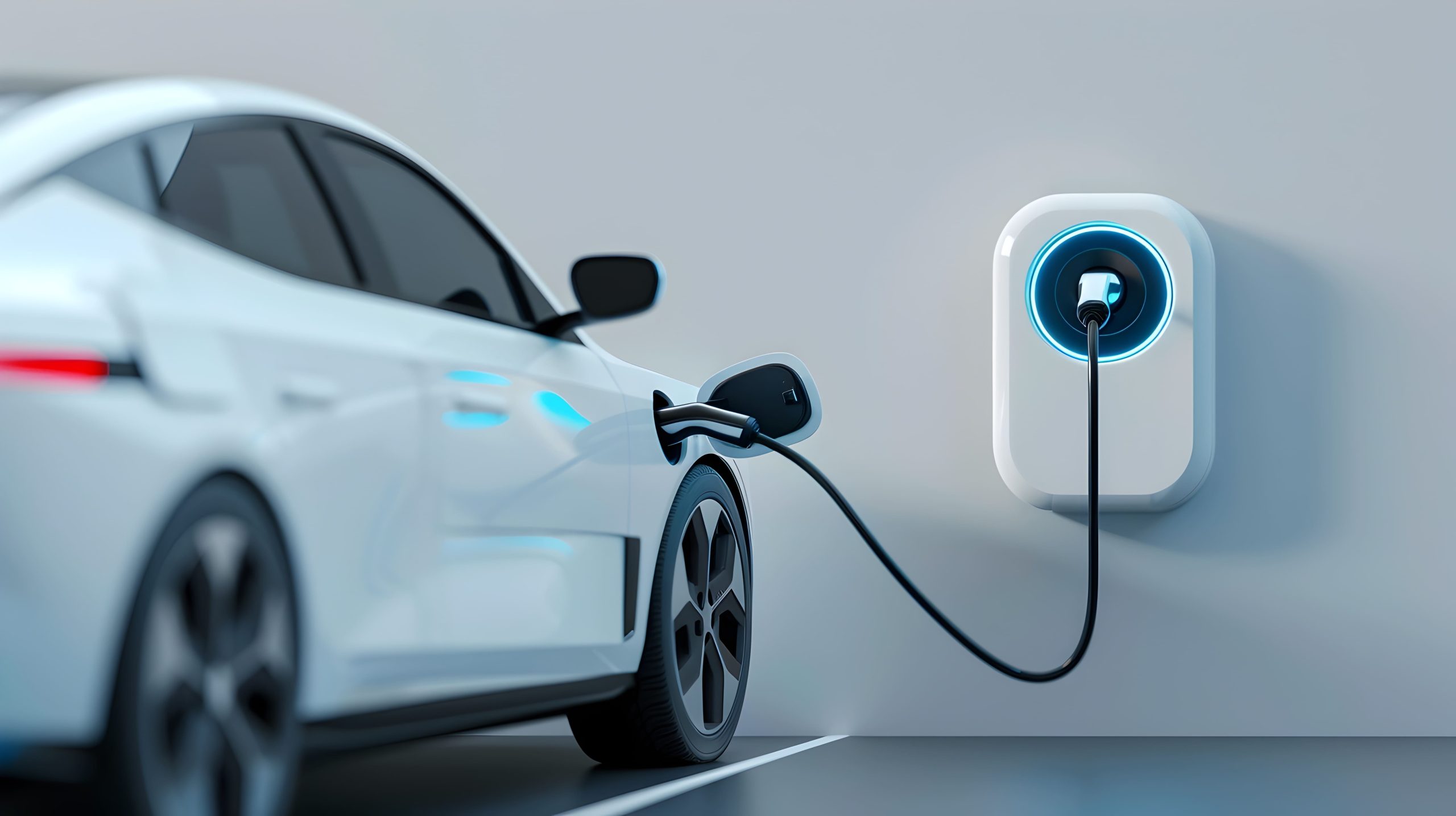
Thailand’s automotive sector is witnessing a structural transformation as the country positions itself as Southeast Asia’s electric vehicle (EV) hub. Long recognized as the “Detroit of Asia” due to its strong internal combustion engine (ICE) vehicle manufacturing base, Thailand is now transitioning toward electrified mobility supported by government incentives, foreign investment, and rising consumer awareness. As of 2025, EV adoption in Thailand has accelerated rapidly, driven by subsidies, tax incentives, and growing investments from global automakers. Battery electric vehicles (BEVs) account for an increasing share of new vehicle registrations, particularly in urban centers such as Bangkok and Chiang Mai. With strong policy backing and expanding charging infrastructure, Thailand is emerging as a key EV production and consumption market in the ASEAN region.
What’s Driving the Electric Vehicle Market in Thailand?
Government Incentives and Consumer Subsidies
Thailand’s government has introduced multiple incentive schemes to accelerate EV adoption and reduce reliance on fossil fuels. Financial subsidies for EV buyers, reductions in excise tax, and import duty exemptions for battery electric vehicles have made EVs more affordable to consumers. These incentives have significantly lowered upfront costs, encouraging both individual buyers and fleet operators to shift toward electric mobility.
Growing Investments in EV Manufacturing
Thailand is attracting large-scale investments from global and regional automakers looking to establish EV production facilities in Southeast Asia. Chinese EV manufacturers, Japanese automotive giants, and domestic firms are expanding local assembly plants and battery production capacity. These investments are strengthening Thailand’s EV supply chain and reinforcing its position as a regional manufacturing hub.
Expansion of Charging Infrastructure
The development of public charging infrastructure is another key factor driving EV adoption. Thailand has witnessed a rapid increase in the installation of EV charging stations across highways, shopping malls, and residential complexes. Both private companies and state-owned energy firms are investing in fast-charging networks to address range anxiety and improve consumer confidence in EV ownership.
Government-Led Initiatives Supporting EV Growth
The Thai government has implemented ambitious policies under its national EV roadmap to accelerate electrification of the transport sector. The government aims for electric vehicles to account for a significant share of domestic vehicle production by the early 2030s. Incentive programs encourage both EV manufacturing and battery production while promoting local component sourcing. Additionally, the government is collaborating with energy companies to expand nationwide charging networks and promote battery recycling initiatives. These efforts are aligned with Thailand’s broader carbon neutrality and energy transition goals, encouraging automakers to shift toward cleaner mobility solutions.
Market Competition
Thailand’s electric vehicle market is becoming increasingly competitive as both global and regional manufacturers enter the space. Chinese EV brands have gained strong traction due to competitive pricing and advanced battery technologies, while established Japanese automakers are gradually introducing electric models to protect their market share. Local automotive assemblers are also exploring partnerships with battery manufacturers and technology companies to strengthen their EV portfolios. As competition intensifies, manufacturers are focusing on product differentiation, improved battery range, and competitive pricing strategies to capture growing consumer demand.
Infrastructure and Supply Chain Challenges
Despite rapid growth, Thailand’s EV ecosystem still faces several structural challenges. Charging infrastructure, although expanding quickly, remains concentrated in major cities, limiting EV adoption in rural areas. Furthermore, battery production capacity and raw material supply chains are still developing, creating reliance on imported battery components. Another challenge lies in workforce transformation. The shift from ICE vehicle manufacturing to EV production requires new technical skills in battery technology, electronics, and software integration. Ensuring adequate workforce training and industry readiness will be critical for sustaining long-term growth in the EV sector.
Future Outlook
Thailand’s electric vehicle market is expected to witness significant expansion through 2035 as electrification becomes central to the country’s automotive strategy. Growing environmental awareness, rising fuel costs, and continued government support are expected to accelerate EV adoption across passenger vehicles, commercial fleets, and public transportation. By 2035, electric vehicles are projected to account for a substantial share of Thailand’s automotive production and domestic sales. The expansion of battery manufacturing facilities and local component supply chains will strengthen the country’s EV ecosystem, reducing dependence on imports and improving cost competitiveness. Furthermore, the continued rollout of fast-charging infrastructure across highways and urban centers will enhance consumer confidence and accelerate market penetration.
Consultants at Nexdigm in their latest publication “Thailand Electric Vehicle Market Outlook to 2035: By Vehicle Type (Battery Electric Vehicles, Plug-in Hybrid Electric Vehicles, Hybrid Electric Vehicles), By Vehicle Segment (Passenger Vehicles, Commercial Vehicles, Two-Wheelers, Buses), By Battery Type (Lithium-ion, LFP, Solid-State Emerging), and By Charging Infrastructure (Public Charging Stations, Home Charging, Fast Charging Networks)” believe that businesses should prioritize localization of battery manufacturing, strategic partnerships with technology providers, and expansion of charging infrastructure to capture the long-term growth opportunities in Thailand’s evolving EV ecosystem.
To take the next step, simply visit our Request a Consultation page and share your requirements with us.
Harsh Mittal
+91-8422857704