
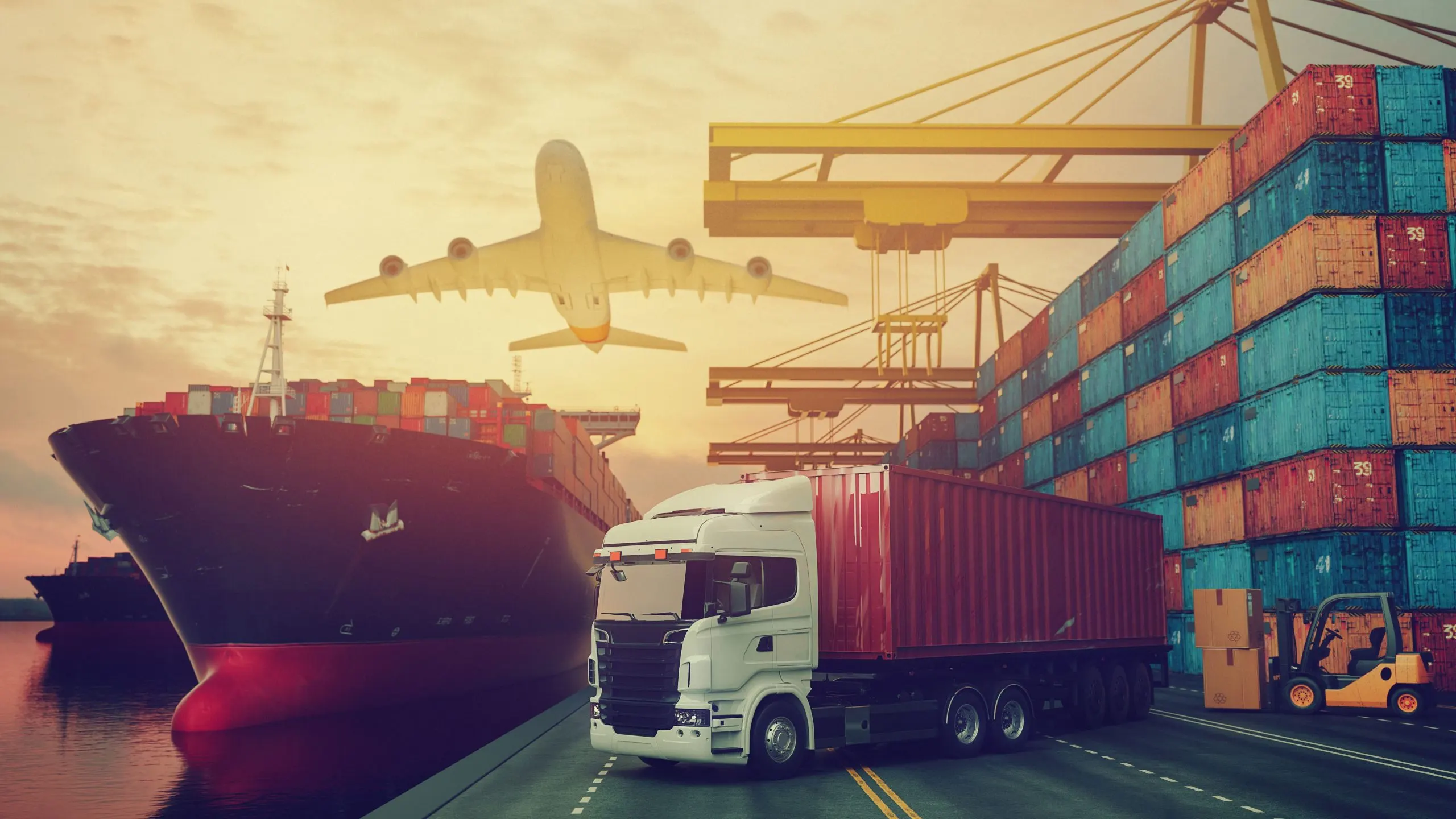
Thailand’s freight forwarding market is entering a more interesting phase than many people expected a few years ago. The country has long been an important trade gateway in Southeast Asia, but in 2026 the conversation is no longer just about geography. It is increasingly about how Thailand fits into a changing supply chain map, especially as manufacturers look beyond China and diversify sourcing across ASEAN. Freight forwarders are benefiting from that shift, but the opportunity is not as straightforward as it sounds. At the center of this market is Thailand’s ability to move goods efficiently between factories, ports, airports, and neighboring countries. Whether it is electronics headed for Europe, auto components crossing into Cambodia, or consumer goods moving into Bangkok distribution hubs, freight forwarding firms are becoming more deeply embedded in day-to-day trade operations. The sector is no longer just about transport bookings. Clients now expect customs support, route optimization, shipment visibility, and problem-solving when disruption hits.
What’s Driving the Freight Forwarding Market in Thailand?
Thailand’s Manufacturing Base Still Matters
Thailand remains one of the strongest industrial bases in ASEAN, and that matters a lot for freight movement. The automotive, electronics, food processing, machinery, and chemicals sectors continue to generate a steady flow of both imports and exports. In practice, this means freight forwarders are handling everything from inbound components for factory production to outbound finished goods for global markets. What makes this particularly important is the complexity involved. A company exporting automotive parts does not just need a trucking provider – it needs someone who can coordinate port schedules, customs clearance, and timing across multiple suppliers. That is where forwarding companies continue to hold real value.
Cross-Border ASEAN Trade Is Becoming More Important
A second major tailwind comes from Thailand’s location. It sits in a useful corridor between major ASEAN trade lanes and neighboring CLMV markets – Cambodia, Laos, Myanmar, and Vietnam. For freight operators, that opens up more than domestic cargo opportunities. It creates a steady need for bonded trucking, regional consolidation, and border coordination. On the ground, cross-border logistics in this region is still far from seamless. Border wait times, document mismatches, and inconsistent enforcement remain common. That actually strengthens the role of experienced freight forwarders, especially local firms that understand how trade works beyond formal policy announcements.
E-commerce and Faster Delivery Expectations
The growth of e-commerce is also reshaping the market, though not always in obvious ways. It is not only parcel companies benefiting from online retail growth. Freight forwarders are also seeing more demand from importers, fulfillment operators, and mid-sized distributors that need faster replenishment and tighter inventory cycles. This shift is pushing logistics providers to become more tech-enabled. Clients increasingly want live shipment tracking, clearer ETAs, and fewer surprises. That may sound basic, but in freight, visibility still remains a weak spot in many markets. Firms that can offer reliability alongside speed are likely to stand out over the next decade.
Government-Led Initiatives
Government-backed infrastructure projects are giving the sector a practical boost. Investments tied to the Eastern Economic Corridor (EEC), port expansion at Laem Chabang, rail upgrades, and improvements in road connectivity are helping reduce friction in cargo movement. These are not overnight fixes, but they matter over time. Thailand has also made progress in customs modernization and trade facilitation. That said, policy ambition and operational reality do not always match perfectly. Delays, fragmented paperwork, and inconsistent coordination still show up in the logistics chain. Even so, the direction is favorable, especially for firms with strong multimodal capabilities.
Market Competition
The Thailand freight forwarding market is moderately fragmented, with global logistics companies and domestic specialists competing across different service lines. Key players include DHL Global Forwarding, Kuehne + Nagel, DSV, DB Schenker, WICE Logistics, Triple i Logistics, and SCG Logistics. The larger international firms tend to dominate high-volume multinational accounts, particularly in ocean and air freight. Local and regional operators, meanwhile, often perform better in cross-border trucking, customs brokerage, and Thailand-specific trade routes. One noticeable shift is that service quality is becoming more important than sheer scale. Clients are less impressed by brand names if communication breaks down during delays.
Exposure to Global Trade Volatility
Thailand’s freight forwarding market still depends heavily on international trade momentum, and that creates a clear vulnerability. When demand weakens in the US, Europe, or China, cargo volumes can soften quickly. Shipping rate swings, geopolitical tension, and rerouted supply chains all feed directly into forwarding activity. A common challenge is that smaller players often struggle to absorb this volatility. They face pressure on margins while also needing to invest in technology, compliance, and customer service. The market has room to grow, but it is not an easy one.
Future Outlook
Thailand’s freight forwarding sector should remain on a solid upward path through 2035, supported by regional manufacturing shifts, infrastructure improvements, and stronger trade links within ASEAN. Over time, the market will likely become more digital, more service-led, and less reliant on basic shipment coordination alone.
Consultants at Nexdigm, in their latest publication “Thailand Freight Forwarding Market Outlook to 2035”, believe that businesses should prioritize digital freight visibility, cross-border ASEAN capabilities, and value-added customs and warehousing solutions to capitalize on the country’s growing role in regional trade and supply chain coordination.
To take the next step, simply visit our Request a Consultation page and share your requirements with us.
Harsh Mittal
+91-8422857704