
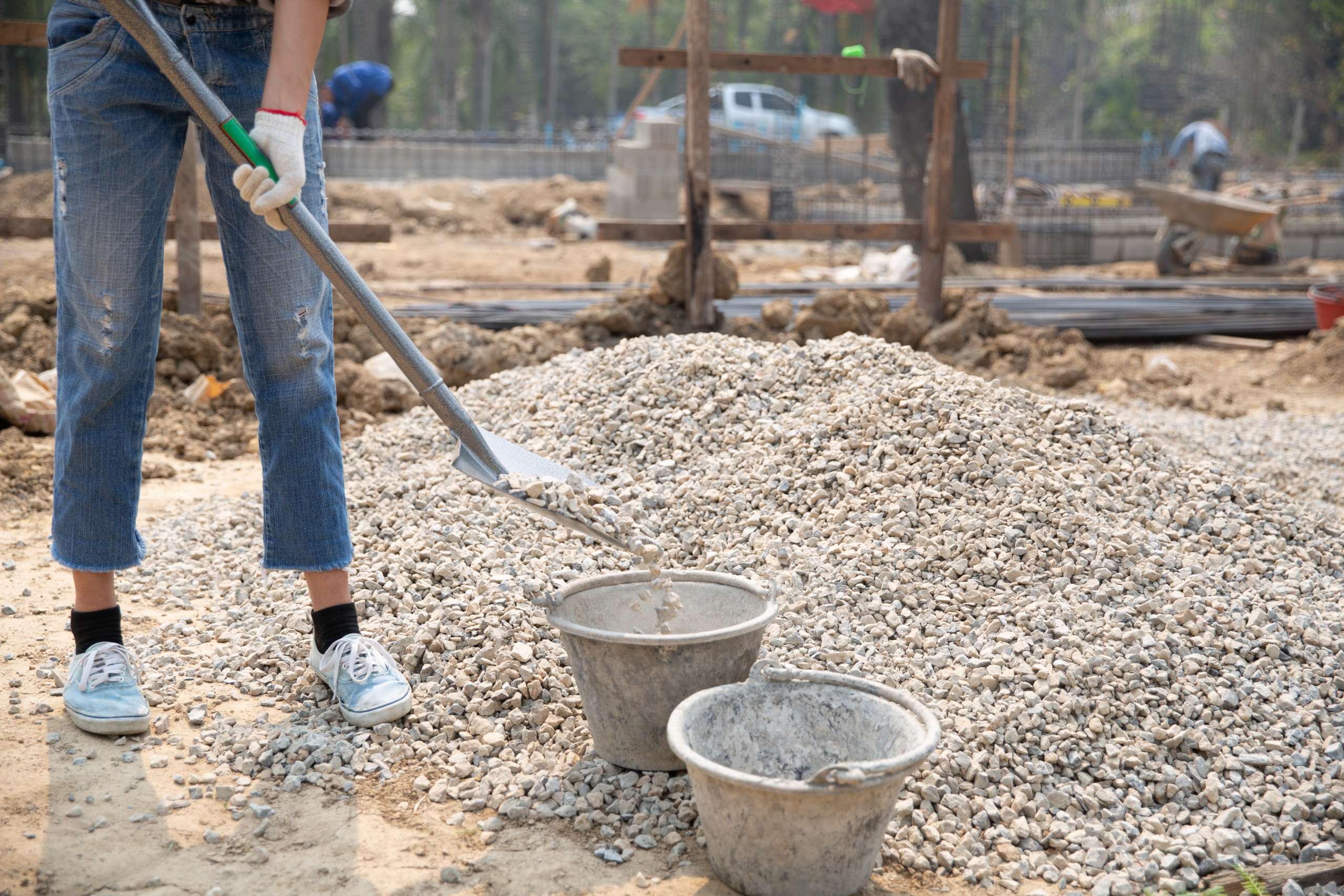
Thailand’s green cement market is gaining momentum as the country accelerates sustainable infrastructure development, urban regeneration, and low-carbon construction initiatives. The construction sector remains a key contributor to economic activity, supported by transportation networks, industrial estates, commercial developments, and residential projects. Thailand’s infrastructure pipeline exceeds THB 3 trillion, while the country’s urban population accounts for more than 53% of the total population, creating sustained demand for construction materials. Additionally, growing adoption of green building certifications and Thailand’s commitment to achieving carbon neutrality are encouraging developers to utilize environmentally friendly building materials. As sustainability considerations become increasingly important across the built environment, green cement is emerging as a critical material for reducing construction-related emissions and supporting long-term infrastructure growth.
Key Market Drivers for Thailand’s Green Cement Industry
Infrastructure Modernization and Transport Development Increase Demand for Sustainable Materials
Thailand continues to invest heavily in large-scale infrastructure projects, including high-speed rail corridors, metro expansions, highways, airports, and logistics facilities. The country’s infrastructure development pipeline is valued at more than THB 3 trillion, creating substantial demand for cement and construction materials. As project owners increasingly incorporate sustainability targets into procurement decisions, green cement is gaining traction due to its ability to reduce embodied carbon emissions while meeting stringent performance requirements. The growing focus on resilient and environmentally responsible infrastructure is expected to support long-term market growth.
Growing Urbanization and Real Estate Development Support Green Cement Adoption
Thailand’s urban population exceeds 53%, supporting continuous demand for residential, commercial, hospitality, and mixed-use developments. Major urban centers continue to experience redevelopment activities, creating opportunities for sustainable construction materials. Additionally, the country’s construction sector contributes approximately 8-9% of GDP, highlighting its importance to economic growth. As developers increasingly pursue green building certifications and prioritize ESG objectives, demand is rising for green cement products that can help lower lifecycle emissions while maintaining structural integrity and durability.
Expanding Green Building Movement and Carbon Reduction Objectives Drive Market Growth
Thailand is witnessing increased adoption of sustainable building standards across commercial and public-sector developments. The country has recorded a growing number of certified green buildings supported by international and local sustainability frameworks. Additionally, Thailand has committed to achieving carbon neutrality by 2050, encouraging industries to adopt lower-carbon materials and production practices. Green cement is benefiting from this transition as developers and contractors seek solutions that align with environmental objectives while meeting evolving regulatory expectations.
Government Support and Sustainability Initiatives Backed by Carbon Neutrality Targets and Sustainable Infrastructure Programs
Thailand’s government continues to promote sustainable construction through green economy policies, infrastructure modernization programs, and energy-efficiency initiatives. The country’s commitment to achieving carbon neutrality by 2050 and net-zero greenhouse gas emissions by 2065 is encouraging the adoption of low-carbon construction materials. In addition, ongoing investments exceeding THB 3 trillion in transportation and urban infrastructure projects are creating favorable conditions for environmentally sustainable building solutions, supporting increased utilization of green cement across public and private construction activities.
Competitive Landscape Driven by Strong Construction Activity and Rising Demand for Low-Carbon Building Materials
Thailand’s green cement market is becoming increasingly competitive as the construction sector contributes approximately 8-9% of GDP and demand grows for sustainable building materials. Market participants are investing in alternative raw materials, waste-derived fuels, clinker-reduction technologies, and energy-efficient manufacturing processes to improve environmental performance. Competition is centered on sustainability credentials, product quality, carbon-reduction capabilities, technical support, and operational efficiency. As green building adoption expands across residential, commercial, industrial, and infrastructure projects, suppliers offering innovative low-carbon cement solutions are expected to strengthen their market position.
Major Challenges Facing Thailand’s Green Cement Industry
Higher Production Costs and Technology Upgrade Requirements
Green cement manufacturing often requires investments in advanced production technologies, carbon-reduction systems, and alternative material sourcing. While environmental benefits are well recognized, higher production costs can remain a barrier for price-sensitive construction projects where conventional cement products continue to dominate.
Availability of Alternative Raw Materials and Industry Awareness
The market’s growth is partly dependent on the availability of supplementary cementitious materials and industrial by-products used in low-carbon cement production. In addition, some contractors and developers continue to prioritize short-term construction costs over long-term sustainability benefits, creating challenges for broader adoption of green cement solutions.
Future Outlook
Thailand’s green cement market is expected to witness robust growth through 2035, supported by infrastructure investments exceeding THB 3 trillion, urbanization levels above 53%, and increasing implementation of sustainable building standards. The country’s carbon neutrality commitment and growing focus on ESG-driven construction practices are expected to accelerate demand for low-carbon building materials across transportation, residential, commercial, and industrial projects. Furthermore, advancements in clinker-reduction technology, circular economy practices, and alternative material utilization will strengthen market development, positioning green cement as an essential component of Thailand’s transition toward a more sustainable and environmentally responsible construction sector.
Consultants at Nexdigm, in their latest publication “ Thailand Green Cement Market Outlook to 2035,” analyse the sector By Product Formulation (Type 1L PLC, Type 1P Pozzolanic and High-Early Strength PLC), By Manufacturing Technology (Waste Heat Recovery Systems and Biomass Firing Kilns) and Project Scale (Residential Self-Build Projects, Mega-Infrastructure and Urban Renewal Programs).
Nexdigm suggests that businesses in Thailand’s Green Cement Industry prioritize low-carbon production technologies, expand the utilization of industrial by-products, and strengthen partnerships with infrastructure developers and green building stakeholders to capitalize on the growing demand for sustainable construction materials and environmentally responsible urban development projects.
To take the next step, simply visit our Request a Consultation page and share your requirements with us.
Harsh Mittal
+91-8422857704