
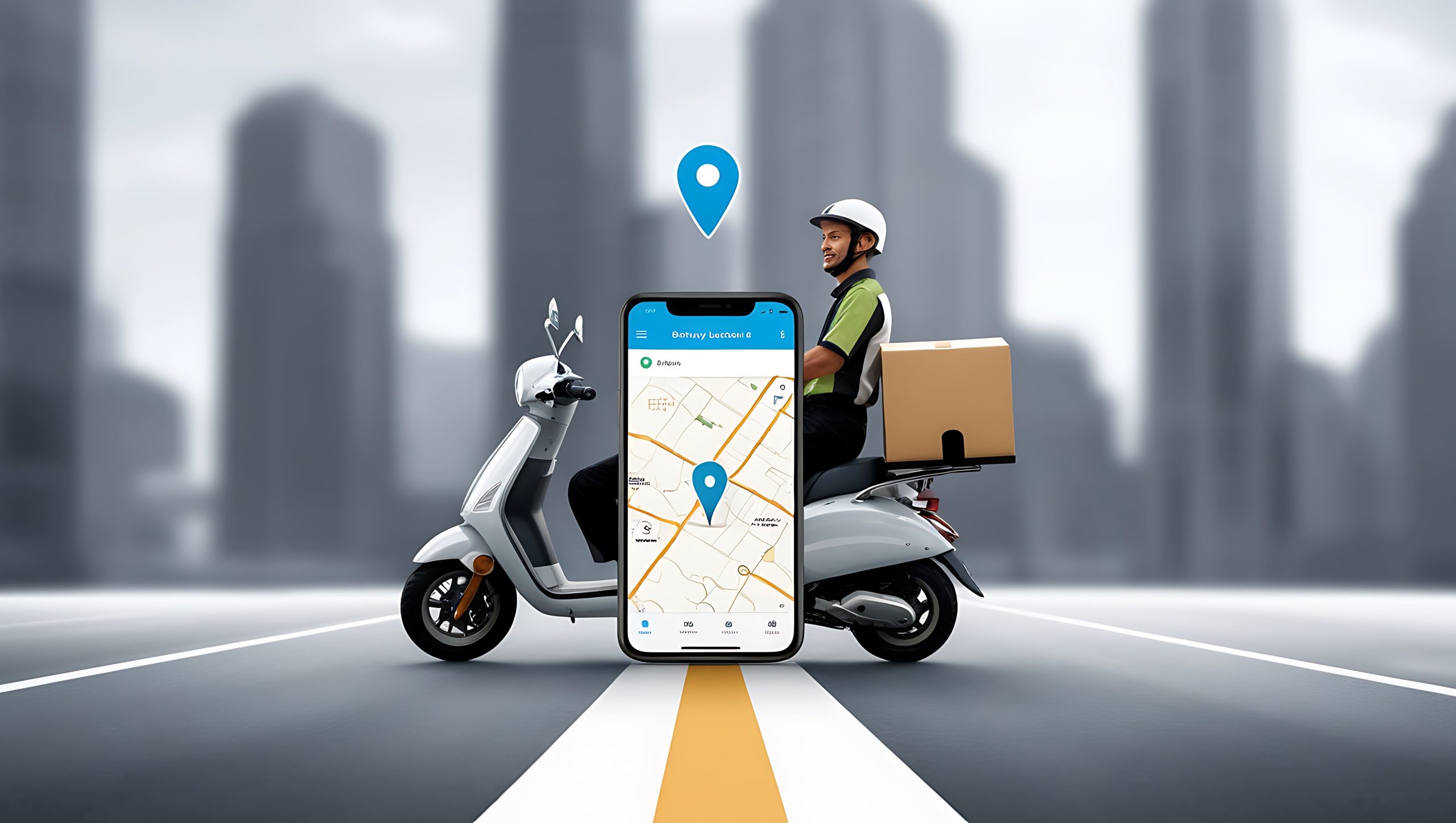
Thailand’s last-mile delivery market has moved well beyond being a support function for online shopping. It now sits at the center of how consumers experience retail, food ordering, pharmacy fulfillment, and even small-business commerce. In 2026, delivery speed has become a brand promise in itself. Customers in Bangkok, Chiang Mai, and other urban centers increasingly judge platforms not just by price or product range, but by whether parcels actually arrive on time, intact, and without friction. That sounds simple, but in practice it has created one of the most competitive and operationally messy corners of Thailand’s logistics industry. What makes Thailand especially interesting is that the market is not growing on e-commerce alone. Social selling through chat apps, marketplace flash sales, food delivery, and quick commerce are all feeding into the same last-mile network. The result is a delivery market that looks busy on the surface, but underneath it is being reshaped by route density, rider availability, warehouse proximity, and cost discipline.
What’s Driving the Last-Mile Delivery Market in Thailand?
E-Commerce and Marketplace Order Volumes
Thailand’s digital retail market continues to generate a steady flow of parcel demand, particularly through platforms such as Shopee, Lazada, and TikTok Shop. What matters here is not just the number of orders, but the order pattern. Consumers are placing smaller, more frequent purchases instead of waiting to bundle items into larger carts. That creates more drop-offs, tighter timelines, and a much heavier burden on urban delivery fleets. For logistics companies, this is both good news and a headache. More orders mean more business, but margins can disappear quickly when delivery fees remain low and failed delivery attempts pile up. The economics work best in high-density neighborhoods where riders can complete multiple stops in a compact radius. Outside those pockets, the model becomes far less forgiving.
Urban Convenience and On-Demand Habits
Bangkok has become one of the clearest examples in Southeast Asia of a city built around convenience-led delivery behavior. Food, groceries, cosmetics, electronics accessories, and even household essentials are now routinely ordered for same-day or near-immediate delivery. For younger consumers and office workers, waiting two or three days can already feel slow. That shift has pulled in players beyond traditional parcel firms. Food delivery platforms, ride-hailing operators, and local courier startups are all competing for the same urban customer. On the ground, this means motorcycles have become the backbone of urban fulfillment. They are simply better suited to Thailand’s traffic patterns than vans for many short-haul routes.
Technology and Fulfillment Efficiency
The real difference between winning and losing in this market often comes down to execution rather than scale alone. Route optimization tools, real-time tracking, digital proof of delivery, and localized dispatch systems are now standard expectations rather than premium features. Firms that still rely on manual routing or loosely coordinated rider networks usually struggle once order density rises. A more interesting shift is happening inside fulfillment itself. Small urban sorting hubs and micro-warehouses are becoming more important, especially for fast-moving categories like groceries and beauty products. That shortens delivery windows, but it also raises operating complexity. Fast delivery sounds attractive in marketing, though it is expensive to sustain unless volumes stay consistently high.
Government-Led Initiatives Supporting Logistics Growth
Thailand’s broader digital and infrastructure agenda is quietly helping the last-mile segment, even if these policies are not always framed that way. Road upgrades, urban transit development, and investment in smart city projects all improve delivery efficiency over time. The Thailand 4.0 policy direction has also encouraged digital adoption among SMEs, which matters because many small merchants now depend on outsourced delivery to reach customers beyond their immediate neighborhoods. There is also growing relevance for electric delivery vehicles. While two-wheelers still dominate, pressure around fuel costs and urban emissions is likely to make EV fleets more practical over the next decade, particularly for repeat routes in dense city zones.
Market Competition and Key Players
Competition in Thailand’s last-mile delivery space is intense and, at times, unsustainably aggressive. Players such as Thailand Post, Kerry Express, Flash Express, Grab, and LINE MAN each serve different pieces of the market, but the overlap is growing. Parcel specialists want more same-day business. Food delivery firms are edging into grocery and retail fulfillment. Marketplace-linked logistics operators are tightening control over merchant shipping flows. Flash Express has built traction by pushing price and speed, while Kerry Express still benefits from strong brand familiarity and broad network reach. Thailand Post remains relevant because coverage still matters, especially outside top urban zones. In truth, no operator can dominate every use case. The market is too fragmented for that.
Cost Pressure in a Price-Sensitive Market
A common challenge is that consumers want premium convenience without wanting to pay for it. Free shipping, discounted delivery, and rapid turnaround have become normal expectations, particularly on large marketplaces. That creates constant pressure on delivery firms to absorb fuel costs, rider incentives, failed drops, and customer service overhead without damaging service quality. This is where many business models start to wobble. Fast delivery can attract users, but if route density is weak or order values are too low, profitability gets thin very quickly.
Future Outlook
By 2035, Thailand’s last-mile delivery market will likely look more consolidated, more tech-enabled, and far less forgiving for inefficient operators. Companies with strong fulfillment infrastructure, dependable rider networks, and smarter pricing models are likely to pull ahead. Smaller firms will still exist, though many may survive only by focusing on niche zones, specialized categories, or hyperlocal partnerships.
Consultants at Nexdigm, in their latest publication “Thailand Last-Mile Delivery Market Outlook to 2035”, analyzed the market by Delivery Type (Parcel Delivery, Food Delivery, Grocery Delivery, Quick Commerce), By Vehicle Type (Two-Wheelers, Vans, Electric Vehicles), and By End User (E-commerce, Food & Beverage, Retail, Healthcare). Nexdigm believes companies should prioritize route efficiency, urban micro-fulfillment, and cost control rather than chasing speed alone, because in Thailand’s delivery market, reliability often matters more than flashy promises.
To take the next step, simply visit our Request a Consultation page and share your requirements with us.
Harsh Mittal
+91-8422857704