
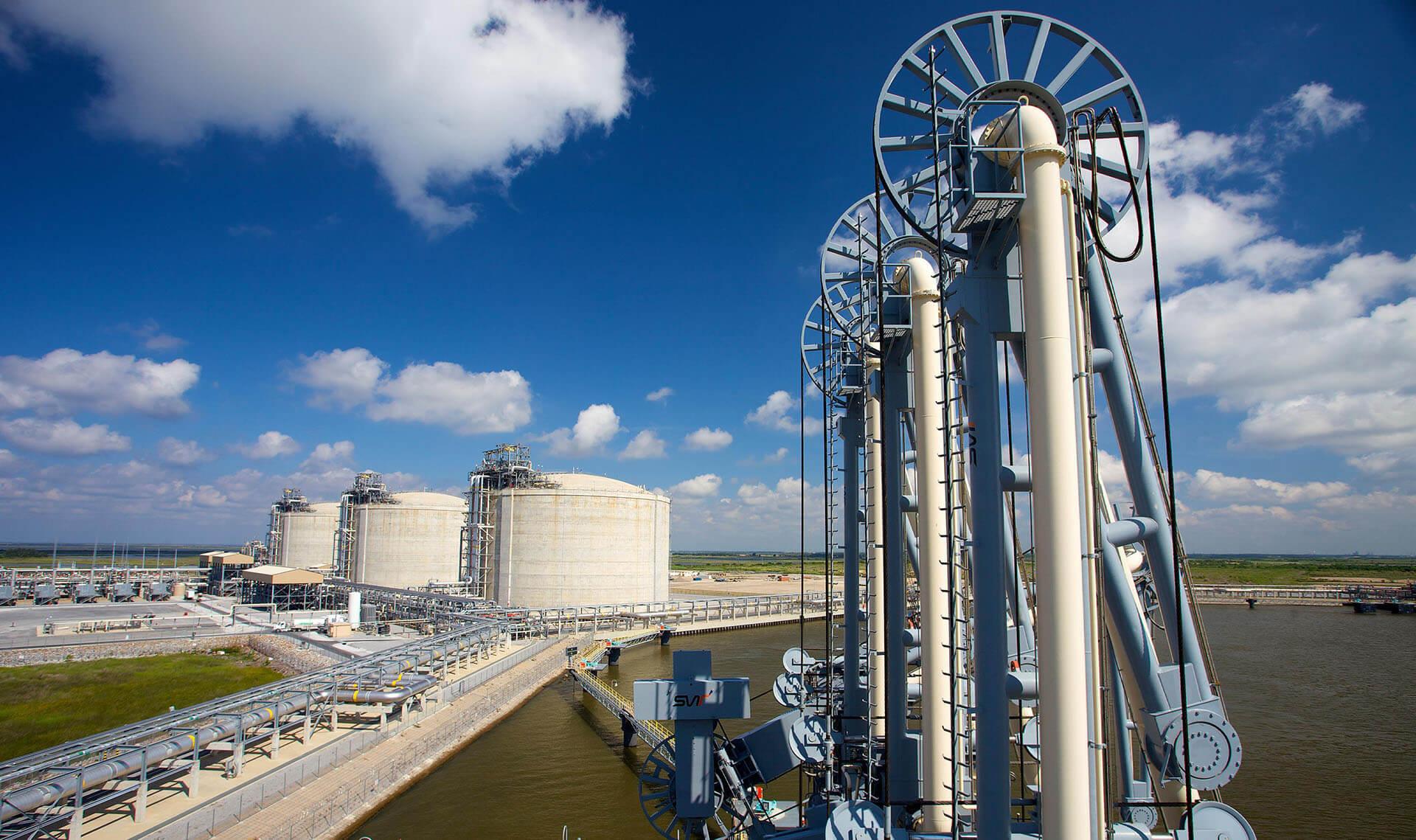
Thailand’s energy landscape is evolving rapidly, and LNG infrastructure is playing an increasingly important role in keeping the country powered. As domestic natural gas reserves mature and electricity demand continues to grow, Thailand is investing heavily in LNG import terminals, storage facilities, and regasification assets to ensure a stable energy supply. Today, the country operates around 19 MTPA of LNG import capacity, with major facilities concentrated in Rayong, strengthening Thailand’s position as one of Southeast Asia’s key LNG hubs. turn1search3
Market Drivers Advancing the Thailand LNG Infrastructure Industry
Growing Energy Demand Creates Need for More LNG Infrastructure
Thailand’s economy continues to expand across manufacturing, commercial, and residential sectors, resulting in higher electricity consumption. Natural gas remains one of the country’s most important fuels for power generation, making reliable LNG imports essential. As domestic gas production gradually declines, LNG imports help bridge the supply gap and reduce the risk of energy shortages. This trend is encouraging continuous investment in receiving terminals, storage facilities, and supporting pipeline networks.
Expansion of Thailand’s LNG Import Terminal Network
One of the strongest growth catalysts is the ongoing expansion of LNG import infrastructure. The Map Ta Phut LNG Terminal 1 currently operates with a total capacity of approximately 11.5 MTPA, making it one of the country’s largest LNG facilities. Turn1search6 Meanwhile, Map Ta Phut LNG Terminal 2 contributes an additional 7.5 MTPA of LNGimport capacity, significantly improving Thailand’s ability to secure supplies from global markets. Future developments, including the proposed Map Ta Phut LNG Terminal 3 with planned capacity exceeding 10 MTPA, could further strengthen Thailand’s long-term LNG supply chain. turn1search4
Energy Security Is Driving Long-Term LNG Investments
Recent volatility in global eergy markets has reinforced the importance of diversified fuel sourcing. LNG enables Thailand to access supplies from multiple exporting countries rather than relying heavily on domestic production alone. For policymakers and energy companies alike, expanding LNG infrastructure is not just about meeting demand today. It is also about building a more resilient energy system capable of supporting future economic growth.
Government Initiatives Supporting the Thailand LNG Infrastructure Industry
The Thai government continues to prioritize LNG infrastructure within its national energy strategy. Regulatory reforms have opened opportunities for additional private-sector participation in LNG imports and terminal operations. Government-backed infrastructure planning has also supported investments in receiving terminals, gas transportation networks, and storage facilities, helping create a more secure and efficient LNG ecosystem for the country.
Competitive Landscape of Thailand LNG Infrastructure Industry
Thailand’s LNG infrastructure industry is led by major energy players including PTT Group, PTT LNG, Electricity Generating Authority of Thailand (EGAT), and PE LNG Co., Ltd. These organizations play critical roles in terminal development, operations, and LNG procurement. The market is becoming increasingly competitive as public and private stakeholders collborate on large-scale projects, technology upgrades, and supply-chain optimization initiatives.
Challenges Facing the Thailand LNG Infrastructure Industry
High Project Development and Financing Costs
Building LNG terminals, storage tanks, and regasification facilities requires significant capital investment. Long construction timelines and complex project approvals can increase financial risks and delay project execution.
Exposure to International LNG Price Fluctuations
Because Thailand relies on imported LNG, global price movements can directly affect procurement costs. Supply disruptions, geopolitical events, and changing global demand patterns may create uncertainty for infrastructure operators and energy consumers alike.
Future Outlook
Thailand’s LNG infrastructure market is expected to remain on a strong growth trajectory as the country prioritizes energy security and supply diversification. Existing terminals already provide nearly 19 MTPA of operational import capacity, while additional projects under development could substantially increase that figure in the future. As renewable energy adoption grows, LNG is expected to serve as an important transitionfuel that supports grid stability and reliable electricity generation. With continued investments in import terminals, storage facilities, and transmission networks, Thailand is well positioned to strengthen its role as a leading LNG infrastructure hub in Southeast Asia.
Consultants at Nexdigm, in their latest publication “Thailand LNG Infrastructure Market” analyze the sector By Terminal Infrastructure Type (Onshore Regasification Terminals, Small Scale LNG Infrastructure and Actual Storage Infrastructure), By End User Application Sector (Electric Power Generation, Industrial Manufacturing Facilities and Transport and Logistics) and By Geographical Development Region (Eastern Economic Corridor, Central Thailand Industrial Hub and Southern Peninsula Industrial zone).
Nexdigm suggests that businesses in “Thailand LNG Infrastructure Industry” focusses on oilfield, desalination, construction, and industrial applications, strengthen local warehousing, develop application-specific grades, improve technical support, and build resilient sourcing networks to serve expanding energy, water, and manufacturing demand.
To take the next step, simply visit our Request a Consultation page and share your requirements with us.
Harsh Mittal
+91-8422857704