
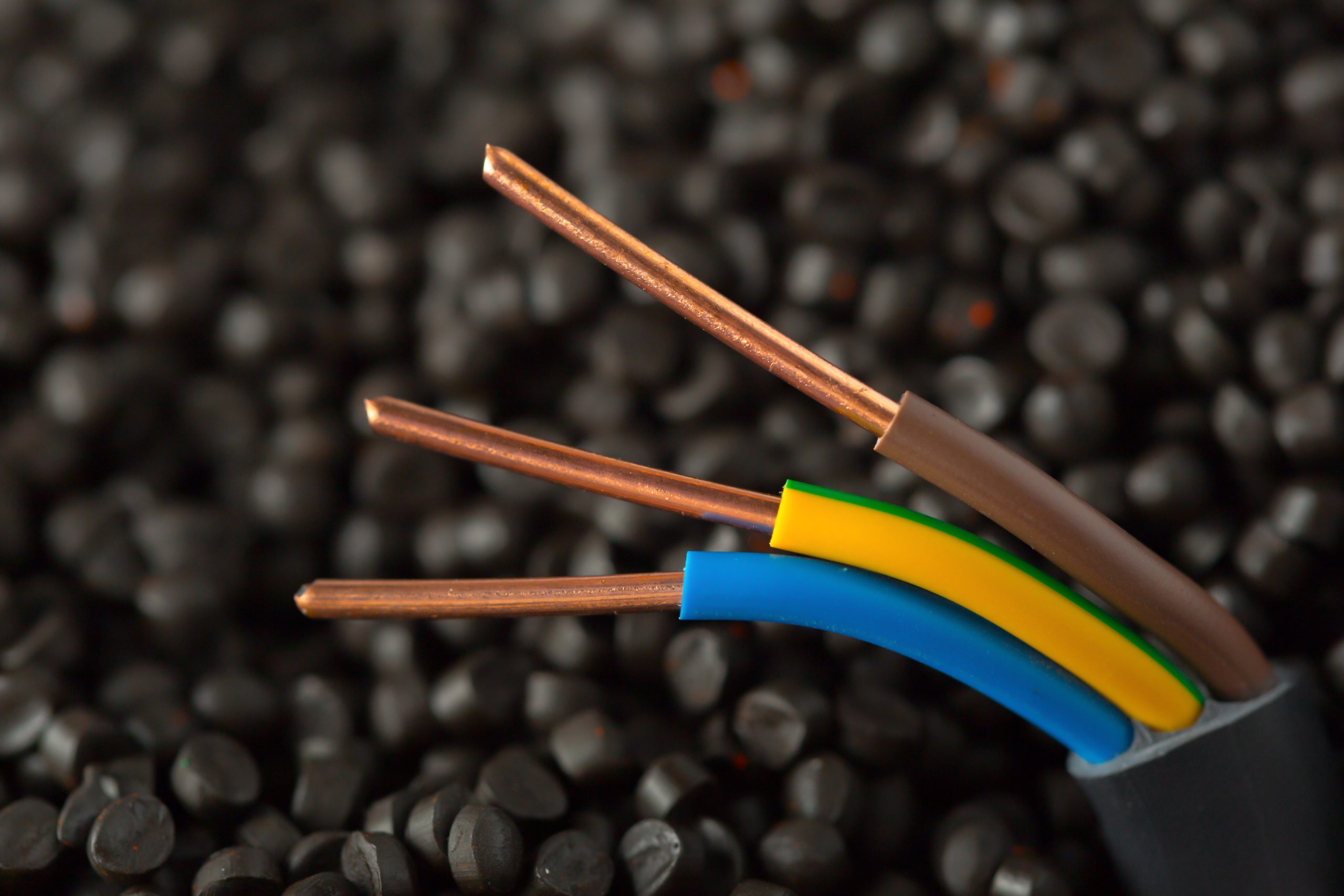
Thailand low voltage cable industry is experiencing steady growth, supported by expanding infrastructure projects, rapid urbanization, and increasing demand for reliable electrical distribution systems. The industry was valued at approximately USD 1.42 billion and is projected to grow at a 5.4% CAGR through 2035. Rising construction activities across residential, commercial, and industrial sectors are creating substantial demand for advanced wiring solutions. Additionally, the adoption of smart building technologies and energy-efficient electrical systems is encouraging the use of high-performance, fire-retardant, and environmentally sustainable low voltage cables throughout the country.
Market Drivers Advancing Thailand Low Voltage Cable Growth
Infrastructure Development and Urban Expansion
Thailand continues to invest heavily in transportation networks, industrial estates, airports, and urban residential developments. Large metropolitan areas, particularly Bangkok and surrounding provinces, are witnessing significant construction activity, increasing the requirement for reliable low voltage cable systems. New residential complexes, commercial facilities, and public infrastructure projects are driving consistent demand for electrical wiring and distribution networks.
Growth of Industrial Manufacturing Hubs
Industrial zones such as the Map Ta Phut Industrial Estate in Rayong remain important demand centers for specialized electrical infrastructure. Expanding manufacturing operations require extensive power distribution systems, encouraging higher consumption of low voltage cables. Growth across sectors including automotive, electronics, and industrial production further supports cable demand as manufacturers modernize facilities and enhance operational efficiency.
Increasing Adoption of Smart Buildings and Safety Standards
The growing adoption of smart building technologies is accelerating the need for advanced cable solutions. Developers are increasingly installing fire-retardant and high-performance cables capable of supporting modern automation systems, security infrastructure, and energy management technologies. Furthermore, stricter safety requirements are encouraging the replacement of traditional wiring systems with more durable and environmentally compliant alternatives.
Government Initiatives Supporting Thailand Low Voltage Cable Industry
The Thailand Board of Investment and the Department of Industrial Works continue to promote industrial modernization and sustainable manufacturing practices. Regulatory frameworks supporting compliance with Restriction of Hazardous Substances (RoHS) standards encourage the production of lead-free and recyclable cable materials. Government-backed infrastructure programs and long-term sustainability goals are also stimulating investments in energy-efficient electrical networks, creating favorable conditions for continued industry expansion.
Competitive Landscape of Thailand Low Voltage Cable Sector
The industry features a combination of established domestic manufacturers and international participants competing through product innovation, quality enhancement, and production efficiency. Leading companies are investing in advanced extrusion and insulation technologies to strengthen distribution capabilities and meet evolving customer requirements. Competitive differentiation increasingly focuses on fire-resistant products, environmentally friendly materials, and customized solutions for industrial and construction applications.
Challenges Impacting Thailand Low Voltage Cable Industry
Rising Raw Material Costs
Fluctuations in the prices of copper, aluminum, and polymer-based insulation materials continue to affect production costs. Manufacturers face ongoing pressure to maintain profitability while remaining competitive in a price-sensitive environment.
Regulatory Compliance Requirements
Increasing environmental regulations require producers to invest in cleaner manufacturing technologies and sustainable materials. While beneficial for long-term development, compliance can result in higher operational and capital expenditure for cable manufacturers.
Future Outlook
Strong Growth Supported by Modern Infrastructure
Thailand low voltage cable Industry is expected to maintain positive momentum as infrastructure investments, industrial expansion, and urban development projects continue to increase. The growing integration of smart technologies in buildings and factories will further boost the demand for advanced wiring solutions.
Sustainability and Innovation Shaping Future Development
Environmental compliance, recyclable materials, and energy-efficient cable technologies are expected to become major competitive advantages. As manufacturers invest in innovation and production capabilities, the industry is likely to witness stronger product differentiation and improved operational efficiency, supporting long-term sector growth.
Consultants at Nexdigm, in their latest publication “Thailand Low Voltage Cable Market Outlook to 2035,” analyze the sector By (Define Low Voltage Cable Classifications, Scope Regional Thai Industrial Clusters, Top-Down Market Volume Verification, Bottom-Up Company Revenue Aggregation, Primary Interviews with MEP Consultants, Supply-Side Capacity Mapping Analysis,).
Nexdigm suggests that businesses in the Thailand Low Voltage Cable Industry focus on expanding sustainable manufacturing capabilities, strengthening supply chain resilience, and aligning with evolving safety regulations. Companies should capitalize on growing demand from EV charging infrastructure, renewable energy projects, and grid modernization initiatives to drive long-term growth and competitiveness.
To take the next step, simply visit our Request a Consultation page and share your requirements with us.
Harsh Mittal
+91-8422857704