
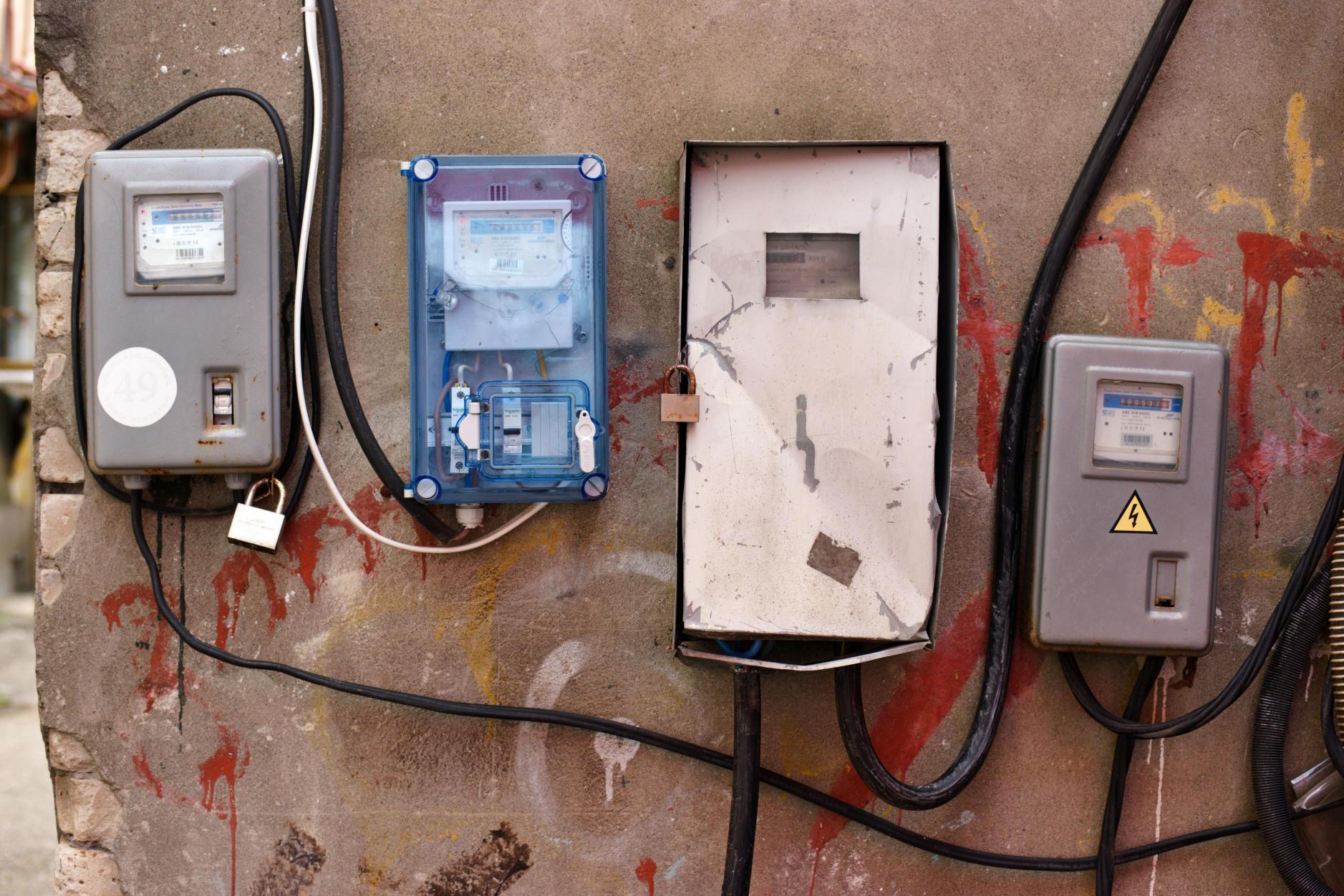
Thailand low-voltage DC circuit breakers industry is experiencing steady growth, supported by rapid electrification, expanding renewable energy installations, and increasing deployment of electric vehicle charging infrastructure. The sector reached a value of approximately USD 0.42 billion, with growth projected at a 5.4% CAGR through the forecast period. Provinces such as Rayong and Chonburi have emerged as important industrial hubs, driven by battery manufacturing, automotive production, and solar energy projects. Growing demand for reliable DC protection systems is encouraging investments in advanced, fire-resistant, and high-efficiency circuit breaker technologies across industrial and commercial applications.
Market Drivers Advancing Thailand Low-Voltage DC Circuit Breakers Growth
Rising Electric Vehicle Charging Infrastructure
Thailand automotive sector is rapidly transitioning toward electric mobility, increasing the need for dependable DC power protection. The expansion of EV charging stations across major cities and highways requires specialized low-voltage DC circuit breakers capable of managing fluctuating current loads and preventing arc faults. As EV adoption rises, demand for advanced circuit protection solutions is expected to strengthen significantly.
Growing Renewable Energy Integration
Solar photovoltaic installations continue to expand across Thailand, particularly in industrial zones and commercial facilities. DC circuit breakers play a critical role in protecting solar arrays, battery storage systems, and energy management networks. Increasing renewable energy capacity and grid modernization efforts are creating sustained opportunities for manufacturers and suppliers operating within the sector.
Expansion of Industrial Manufacturing Facilities
Thailand remains a leading manufacturing destination in Southeast Asia, with significant investments in automotive assembly, electronics production, and battery storage facilities. Industrial users require robust circuit protection systems to enhance operational safety, reduce downtime, and maintain equipment reliability. Rising industrial automation and energy-efficiency initiatives further support industry expansion.
Government Initiatives Supporting Thailand Low-Voltage DC Circuit Breakers Sector
The Thai government continues to promote smart-grid development, renewable energy adoption, and electric vehicle manufacturing through various industrial policies and incentive programs. Regulatory oversight by the Energy Regulatory Commission (ERC) and compliance with TIS 2256-2548 standards have strengthened safety requirements for electrical installations. Additionally, sustainability-focused policies encourage the use of efficient electrical protection systems, supporting long-term industry growth and modernization.
Competitive Landscape of Thailand Low-Voltage DC Circuit Breakers Industry
The competitive environment consists of both international and regional manufacturers focusing on product innovation, safety enhancements, and local production capabilities. Major participants include Schneider Electric, ABB, Siemens, Eaton, and Mitsubishi Electric. Companies are investing in advanced arc-fault protection technologies, smart monitoring capabilities, and localized supply chains to reduce lead times and meet increasing demand from industrial and renewable energy applications.
Challenges Impacting Thailand Low-Voltage DC Circuit Breakers Industry
High Initial Installation Costs
Advanced DC circuit breakers designed for renewable energy and EV applications often involve higher upfront costs compared to traditional protection systems. This can limit adoption among smaller enterprises and budget-sensitive projects.
Technical Compliance Requirements
Manufacturers and installers must comply with evolving electrical safety standards and performance regulations. Meeting stringent certification requirements while maintaining cost competitiveness remains a key challenge for industry participants.
Future Outlook
The Future of the Thailand’s low-voltage DC circuit breakers industry remains positive as investments in renewable energy, electric mobility, and smart-grid infrastructure continue to increase. Growing deployment of battery energy storage systems and digital power management solutions will further accelerate demand for sophisticated DC protection technologies. Local manufacturing expansion, coupled with favorable government policies and industrial modernization initiatives, is expected to strengthen the sector’s position. Continued innovation in safety, efficiency, and intelligent monitoring capabilities will play a crucial role in sustaining long-term growth.
Consultants at Nexdigm, in their latest publication “Thailand Low-Voltage DC Circuit Breakers Market Outlook to 2035,” analyze the sector By (Defining LV Circuit Breaker Scope, Top-Down Regional Market Estimation, Bottom-Up Import Statistics Analysis, Customs Data Extraction Thailand, MEA/PEA Electrical Infrastructure Audit, Manufacturer Facility Capacity Review,).
Nexdigm suggests that businesses in the Thailand Low-Voltage DC Circuit Breakers Industry prioritize investments in smart protection technologies, solid-state circuit breaker solutions, and regulatory-compliant products. Aligning with renewable energy integration, EV charging expansion, and grid modernization initiatives can help companies strengthen competitiveness and capture emerging growth opportunities.
To take the next step, simply visit our Request a Consultation page and share your requirements with us.
Harsh Mittal
+91-8422857704