
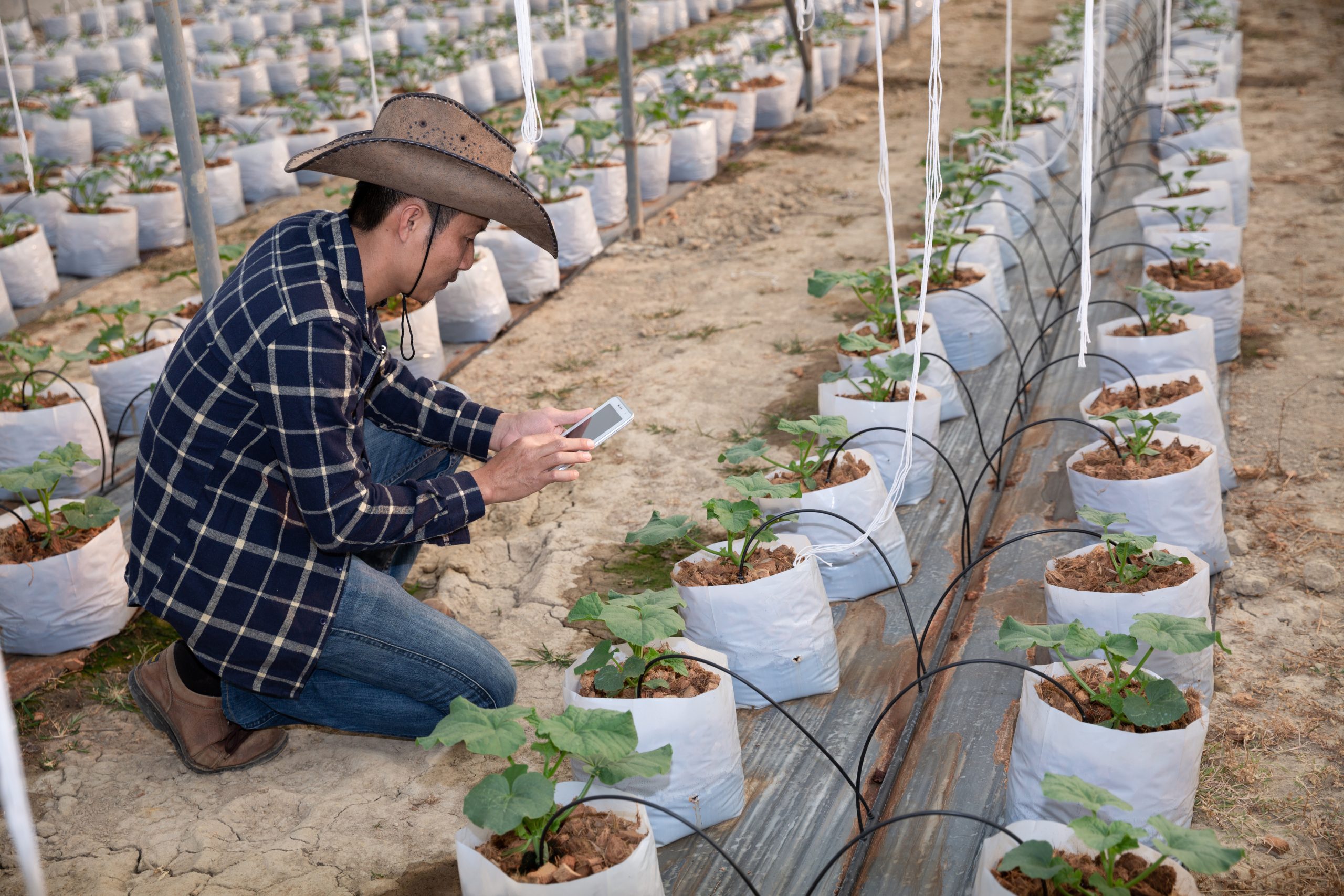
Thailand’s micro irrigation systems market is gaining importance as farmers seek to improve water-use efficiency, crop productivity, and resilience to increasingly variable rainfall. Drip and micro-sprinkler systems enable precise delivery of water and nutrients directly to plant roots, helping reduce evaporation and unnecessary water consumption. Agriculture remains economically and socially significant, accounting for approximately 30.5% of Thailand’s employed population in the third quarter of 2024. Growing pressure on water resources, combined with increasing adoption of precision farming, is encouraging investment in efficient irrigation technologies across horticulture, fruit, vegetable, and high-value crop production.
Key Market Drivers of Thailand Micro Irrigation Systems Market
Rising Need for Agricultural Water Efficiency
Water availability varies considerably across Thailand’s regions and seasons, creating a strong case for more efficient irrigation. Government statistics show notable differences in reservoir availability. For example, effective storage in Thailand’s northeastern large reservoirs stood at about 75.8% of active storage capacity in 2024, while the southern region recorded approximately 69.9%. Micro irrigation helps farmers use available water more efficiently by applying smaller quantities directly to the root zone. This can be particularly valuable for orchards, vegetables, sugarcane, cassava, and other crops where controlled irrigation can improve consistency and yields.
Growing Importance of Precision Agriculture
Thailand is moving toward more technology-enabled farming as producers face labor constraints, rising input costs, and pressure to improve yields. Micro irrigation integrates well with fertigation, moisture sensors, automated valves, and farm-management platforms. Such systems allow farmers to control water and fertilizer applications more accurately while reducing manual intervention. The need for productivity enhancement is significant because agriculture continues to employ nearly one-third of the national workforce. In 2024, the sector represented 30.5% of total employment, reinforcing the economic importance of technologies that can raise farm efficiency.
Climate and Rainfall Variability
Thailand experiences considerable annual and regional rainfall fluctuations. Average rainfall in the central region, for example, fell from 1,662.8 millimetres in 2022 to 981.1 millimetres in 2023. Such volatility encourages growers to reduce dependence on rainfall and adopt controlled irrigation solutions.
Government Support towards Thailand Micro Irrigation Systems Market
Thailand’s Royal Irrigation Department is pursuing policies to strengthen long-term water security and expand irrigation coverage. Under its RID UNITED approach, the department aims to add approximately 4.92 million rai of irrigated area by 2037, while accelerating water-resource development and improving water distribution systems for agriculture. Broader government support for smart farming, efficient resource management, and agricultural modernization can further encourage adoption of drip irrigation, micro-sprinklers, automation, and precision water-management technologies.
Competitive Landscape of Thailand Micro Irrigation Systems Market
Thailand’s micro irrigation market includes international irrigation technology companies, regional equipment manufacturers, domestic distributors, pump and filtration suppliers, and agricultural technology providers. Competition centers on system durability, water efficiency, emitter performance, pricing, after-sales service, and ease of installation. Suppliers offering integrated packages combining pumps, filtration, fertigation, sensors, and automation can differentiate themselves. Local distribution networks and technical support are especially important because small and medium-sized farms require practical installation guidance and maintenance services.
Market Challenges of Thailand Micro Irrigation Systems Market
High Initial Investment
Micro irrigation systems can require significant upfront expenditure for pipes, emitters, pumps, filters, controllers, and installation. Smallholder farmers may hesitate to adopt advanced systems without financing, subsidies, or clear evidence of long-term savings.
Maintenance and Farmer Awareness
Clogged emitters, poor filtration, inconsistent water pressure, and inadequate maintenance can reduce system performance. Limited technical knowledge among some growers may also slow adoption, creating a need for farmer training, demonstration projects, and stronger after-sales support.
Future Outlook
Thailand’s micro irrigation systems market is expected to benefit from increasing water scarcity concerns, agricultural modernization, climate variability, and expansion of high-value crop cultivation. Government plans to increase irrigated area by 4.92 million rai provide additional long-term support for irrigation infrastructure development. As growers focus more heavily on reducing water consumption and increasing crop productivity, adoption should shift toward automated drip systems, fertigation, soil-moisture sensing, and digitally controlled irrigation. Suppliers providing affordable, modular systems with strong local technical support will be better positioned to address both commercial farms and cost-sensitive smallholders.
Consultants at Nexdigm, in their latest publication “Thailand Micro Irrigation Systems Market Outlook to 2035,” analyze the sector By System Type (Drip Irrigation System, Surface Drip Irrigation System, Inline Drip System, Bubbler Irrigation System), By Component Type (Emitters and Drippers, Drip Tubes and Pipes, Filters and Filtration System, Valves and Control Systems)
Nexdigm suggests that businesses in Thailand’s micro irrigation systems market should develop affordable precision-irrigation solutions, strengthen dealer and installer networks, expand farmer training, integrate sensors and fertigation technologies, and target high-value crops where water savings and productivity gains provide clearer investment returns.
To take the next step, simply visit our Request a Consultation page and share your requirements with us.
Harsh Mittal
+91-8422857704