
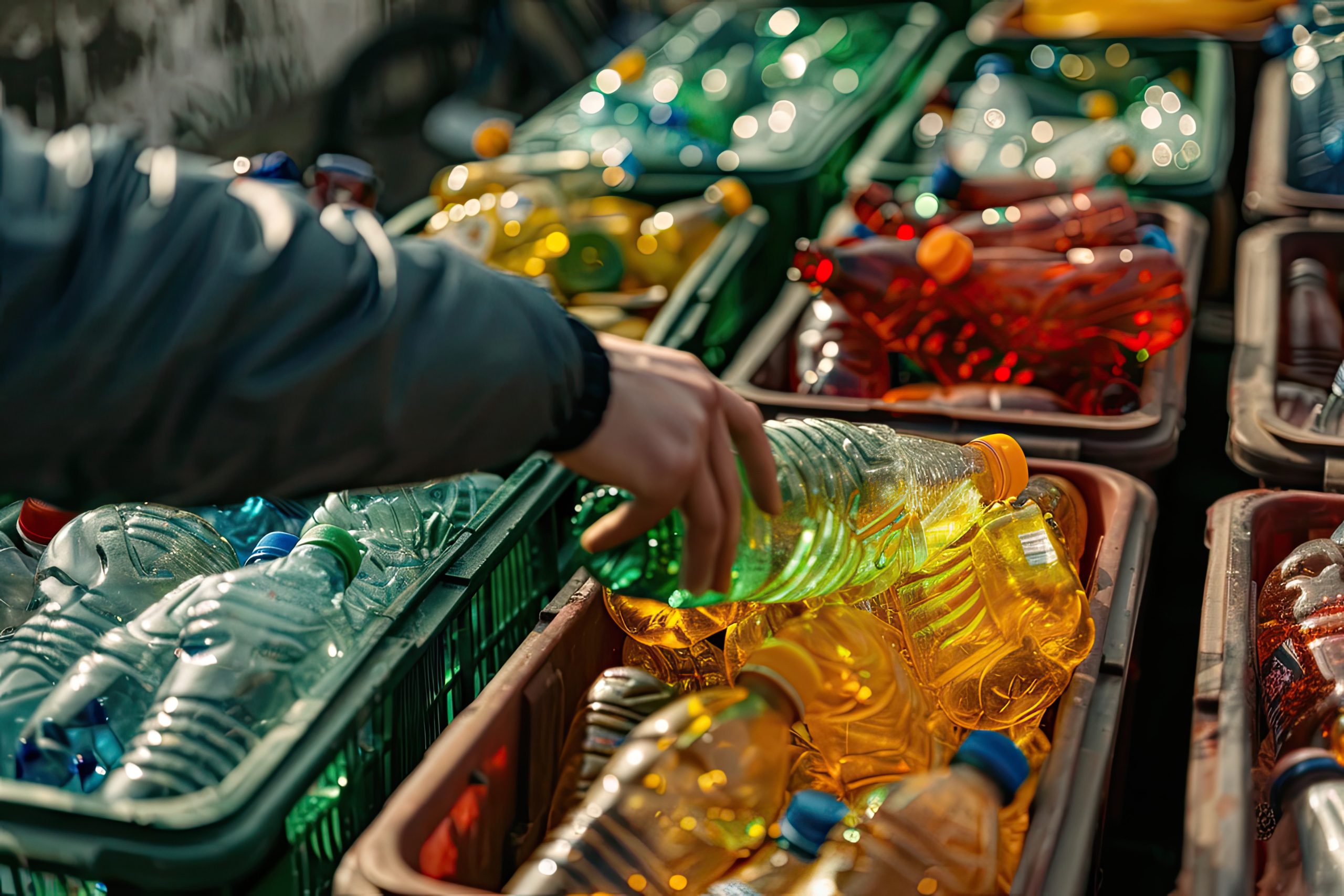
Thailand has built one of Southeast Asia’s most developed plastics industries, supported by strong petrochemical, packaging, automotive, electronics, and food-processing sectors. Plastics use reached around 6 million tonnes in 2022, while consumption stood at approximately 84 kg per person, above the global average of 63 kg. But the market is no longer defined by volume alone. Manufacturers are beginning to explore higher-value, recyclable, and bio-based materials as customer expectations evolve. With established industrial clusters, agricultural feedstocks, and strong regional connectivity, Thailand has an opportunity to reshape its plastics industry around both manufacturing strength and material innovation.
Major Drivers Shaping Thailand’s Plastics Industry
Industrial Growth Creates Demand for Plastics That Do More
Thailand’s automotive, electronics, electrical appliances, healthcare, and food-processing industries require materials that can deliver more than basic functionality. Engineering plastics offer lightweighting, durability, chemical resistance, electrical insulation, and greater design flexibility. As manufacturers move toward electric vehicles, advanced electronics, medical products, and higher-value components, plastics producers have an opportunity to shift from standardized materials toward customized solutions designed around specific performance requirements.
Packaging Begins to Follow a More Circular Path
Packaging remains central to Thailand’s plastics market because of the country’s large food, beverage, consumer goods, retail, tourism, and export industries. Yet expectations are changing. Brands and manufacturers are being encouraged to use less material, improve recyclability, incorporate recycled content, and reconsider difficult-to-recover formats. This transition is creating room for packaging companies that can maintain affordability and product protection while reducing waste.
Thai Government Policies Bringing Circular Plastics Into the Mainstream
Thailand’s Roadmap on Plastic Waste Management 2018–2030 is pushing the industry toward better material recovery and reduced dependence on problematic single-use plastics, with an ambition to bring targeted plastic waste into circular use. The government is also encouraging bioplastics investment. Between 2018 and 2023, Thailand’s Board of Investment supported more than 24 bioplastics projects representing over THB 37 billion in investment, helping build domestic capacity around alternative materials.
Competitive Insights of Thailand’s Plastics Industry
Thailand’s plastics ecosystem brings together petrochemical companies, converters, packaging manufacturers, automotive suppliers, recyclers, and international material producers. Scale and cost remain important, but they are no longer enough on their own. Customers increasingly look for specialized performance, consistent quality, recycled content, and lower-impact materials. Producers that combine technical expertise with advanced processing, product customization, and sustainable material solutions can create stronger differentiation in both domestic and export markets.
Market Challenges faced within Thailand’s Plastic Industry
Recycling Has Yet to Catch Up With Consumption
Thailand’s plastic recycling rate was around 13% in 2022, leaving a considerable gap between the amount of plastic consumed and the volume returned to productive use. Collection, sorting, contamination, and recycling economics remain practical barriers. Closing this gap will require stronger recovery systems alongside packaging and products that are easier to recycle from the outset.
Commodity Plastics Face a Tougher Margin Environment
Conventional plastics manufacturers must also navigate volatile feedstock costs, regional production overcapacity, and competition from lower-cost suppliers. These pressures can make standardized products increasingly difficult to differentiate. Moving into engineering materials, specialty applications, recycled polymers, and bioplastics offers one route toward creating greater value.
Future Outlook
The growth of Thailand’s plastics industry is changing. Under current-policy projections, plastics use could rise from around 6 million tonnes in 2022 to approximately 9 million tonnes by 2050. The bigger opportunity, however, lies in what those materials become. Engineering polymers, recycled plastics, bioplastics, lightweight components, and more sustainable packaging could capture a larger share of future demand. Thailand’s ability to combine its manufacturing expertise, agricultural resources, recycling capabilities, and material innovation will increasingly shape its position in the regional plastics value chain.
Consultants at Nexdigm, in their latest publication “Thailand Plastics Market Outlook to 2035,” analyze the sector By Polymer Type (Polyethylene, High density Polyethylene, Low Density Polyethylene, Polypropylene, Polyurethane and Polyvinyl Chloride), By End Use Industry (Packaging, Food and Beverage and Automobile Industries).
Nexdigm suggests that businesses in Thailand Plastics Industry should capitalize on the country’s manufacturing and agricultural strengths by expanding into bioplastics and specialized materials. Companies should modernize production, improve recycling integration, and develop high-performance solutions for automotive, electronics, healthcare, packaging, and export markets.
To take the next step, simply visit our Request a Consultation page and share your requirements with us.
Harsh Mittal
+91-8422857704