
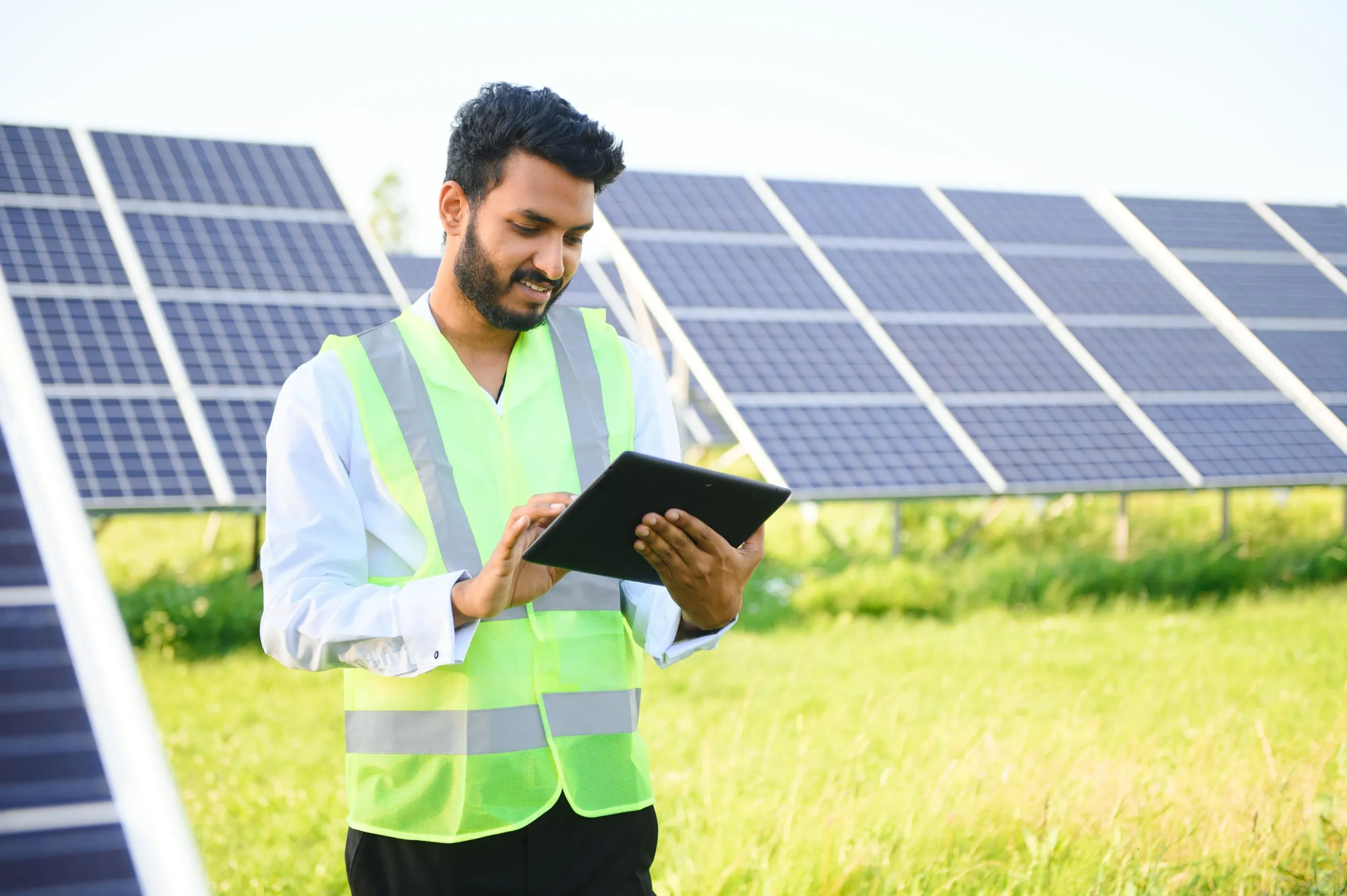
Thailand’s renewable energy sector has moved well beyond pilot-stage solar adoption. Over the last few years, solar installations have become a visible part of industrial estates, logistics parks, reservoirs, and even shopping complexes across the country. As of 2026, Thailand remains one of Southeast Asia’s more active clean energy markets, supported by rising electricity consumption, pressure on energy imports, and long-term decarbonization targets. Solar EPC companies are finding opportunities not only in utility-scale projects but also in rooftop installations for factories and commercial facilities looking to manage power costs more efficiently. What makes Thailand particularly interesting is that demand is no longer coming from policy alone. On the ground, industrial users increasingly see solar as a practical financial decision rather than just a sustainability initiative.
What’s Driving the Solar EPC Market in Thailand?
Expansion of Industrial Rooftop Solar Projects
Thailand’s manufacturing sector plays a major role in electricity consumption, especially in automotive, electronics, and food processing clusters. Many factories now face tighter sustainability requirements from global buyers, particularly European and Japanese clients asking suppliers to lower carbon emissions across operations. In practice, rooftop solar has become one of the quickest ways for industrial operators to respond. For EPC contractors, this creates a steady pipeline of mid-sized projects rather than depending only on large government tenders. Industrial clients usually prefer turnkey solutions that include design, procurement, installation, and maintenance under a single agreement. Some factories are even pairing rooftop systems with battery storage to reduce peak-hour electricity expenses.
Floating Solar Projects Gain Attention
Land availability has quietly become a constraint for large solar developments in Thailand, especially near industrial corridors where electricity demand is concentrated. This explains why floating solar installations are receiving stronger attention from utilities and private developers alike. Several projects are already being developed on reservoirs and dams operated by the Electricity Generating Authority of Thailand (EGAT). Floating solar does come with higher engineering complexity compared to ground-mounted systems, particularly around anchoring structures and long-term maintenance. Yet many developers see the trade-off as worthwhile because it avoids expensive land acquisition and can reduce water evaporation at reservoir sites.
Falling Equipment Costs and Better Financing Access
Solar economics in Thailand look very different today compared to a decade ago. Panel prices have dropped significantly, while local banks have become more comfortable financing renewable energy assets. Commercial property owners who once hesitated over upfront costs are now calculating payback periods in practical business terms. Another noticeable shift is the growing availability of leasing and power purchase agreement models. Smaller businesses that cannot commit large capital expenditures upfront can still adopt solar systems through third-party financing structures. For EPC firms, this opens the market to a much wider customer base than before.
Government-Led Renewable Energy Initiatives
Thailand’s energy transition policies have provided enough certainty for investors to stay engaged in long-duration renewable projects. The Alternative Energy Development Plan (AEDP) continues to support higher renewable energy participation in the national power mix, while carbon neutrality goals for 2050 are influencing future infrastructure decisions. Net metering programs and simplified approval procedures for rooftop installations have also helped reduce friction for commercial users. That said, developers still occasionally face delays linked to permitting and grid connection approvals. Policy support exists, but execution can vary depending on project location and local authorities involved. This uneven implementation remains a common frustration among EPC contractors operating across multiple provinces.
Market Competition and Industry Landscape
The Thailand solar EPC market remains moderately fragmented. Local engineering firms compete alongside regional renewable energy developers and international contractors with experience in utility-scale installations. Key participants include Gulf Energy Development, BCPG Public Company Limited, Super Energy Corporation, and Energy Absolute. Competition has become less about simply offering low installation costs. Clients increasingly evaluate EPC firms based on execution capability, long-term maintenance support, and familiarity with hybrid systems involving storage technology. In larger industrial projects, reliability often matters more than selecting the cheapest bidder.
Grid Infrastructure and Project Delays
One persistent challenge for Thailand’s solar EPC market involves grid connectivity and transmission readiness. While solar installations continue to expand, certain regions still face bottlenecks when integrating new renewable capacity into the existing power network. For developers, delays linked to transmission upgrades can affect project timelines and financing schedules. Imported equipment dependency also creates some exposure to global supply chain disruptions and currency fluctuations. These issues rarely stop projects entirely, but they can complicate budgeting and procurement planning in ways many smaller EPC firms struggle to absorb.
Future Outlook
Thailand’s solar EPC market is likely to maintain healthy momentum through 2035, supported by industrial electricity demand, renewable energy commitments, and broader adoption of distributed power systems. Floating solar projects, commercial rooftop installations, and battery-integrated systems will probably account for a larger share of future contracts. The market may also become more specialized over time. EPC providers with expertise in energy storage integration, smart monitoring systems, and industrial-scale energy optimization are likely to stand out from smaller installation-focused contractors.
Consultants at Nexdigm, in their latest publication “Thailand Solar EPC Market Outlook to 2035”, analyzed the market by Project Type (Utility-Scale Solar, Commercial & Industrial Rooftop, Residential Solar, Floating Solar), By Service Type (Engineering, Procurement, Construction, Operations & Maintenance), and By End User (Utilities, Industrial, Commercial, Residential). Nexdigm believes that businesses should prioritize integrated EPC and energy storage solutions, strengthen local partnerships, and focus on floating solar and commercial rooftop installations as key growth opportunities in Thailand’s evolving renewable energy ecosystem.
To take the next step, simply visit our Request a Consultation page and share your requirements with us.
Harsh Mittal
+91-8422857704