
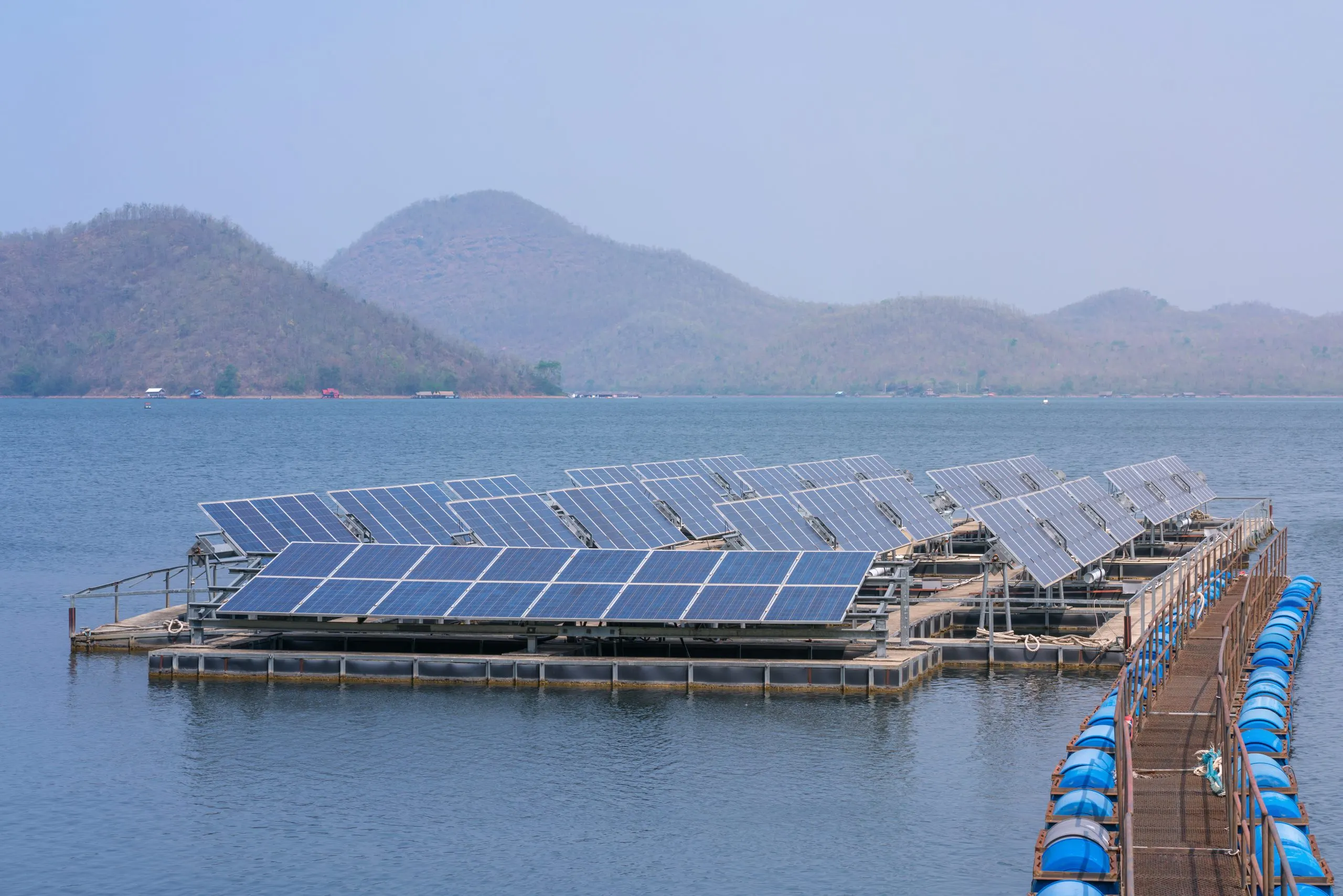
Thailand’s solar photovoltaic (PV) market is expanding rapidly, driven by abundant sunlight and decreasing costs of solar technology. As the country works to diversify its energy mix, solar energy is becoming a crucial component of its renewable energy strategy. With supportive government policies, growing energy demand, and rising environmental awareness, the market is expected to experience steady growth through 2035. Solar PV presents an attractive solution for Thailand’s long-term energy needs, offering both economic and environmental benefits in the coming years.
Key Factors Driving the Growth of Thailand Solar PV Market
Abundant Solar Resources
Thailand benefits from high solar radiation, with an average of 5 kWh/m²/day of sunlight, making it a prime location for solar energy projects. This natural advantage reduces the cost of solar generation and ensures high efficiency for solar PV systems. The combination of abundant sunlight and falling solar technology costs has made solar energy more affordable and accessible to a broader population.
Growing Energy Demand
As Thailand’s economy continues to grow and urbanization increases, the demand for electricity is on the rise. The country is focusing on diversifying its energy sources, and solar PV is emerging as a key solution. With power consumption set to increase, especially in industrial sectors, the Thai government’s push for cleaner energy sources is driving the adoption of solar energy across residential, commercial, and industrial sectors.
Government Support
Thailand’s government has made significant strides in encouraging solar adoption. The introduction of feed-in tariffs (FiTs), tax incentives, and simplified permitting procedures has lowered the entry barriers for businesses and consumers. By creating a favorable investment climate, these initiatives are fueling growth in the solar sector.
Government Policies and Initiatives Boosting Solar PV Adoption in Thailand
The Thai government has been a key driver for solar energy adoption, offering programs like feed-in tariffs and tax incentives for residential and commercial solar projects. Additionally, Thailand’s Alternative Energy Development Plan (AEDP) aims to increase the share of renewable energy, with solar power playing a central role in this transition. These initiatives create a stable market environment for investors and help accelerate the deployment of solar energy systems across the country.
Overview of Key Players and Competition in Thailand’s Solar PV Market
The Thai solar market is competitive, with both local and international players involved in various stages of development. Large solar developers, EPC (Engineering, Procurement, and Construction) firms, and equipment suppliers such as JinkoSolar and Canadian Solar are active in the market. Increased competition and market maturity are driving innovations in solar technology and business models, leading to more affordable and accessible solar energy solutions.
Key Challenges Hindering the Growth of Thailand Solar PV Market
Regulatory Hurdles
Although Thailand has made significant strides in supporting solar energy, the permitting process can still be slow and complicated. Regulatory delays and a lack of clarity in some areas create barriers to faster adoption, particularly for residential rooftop solar installations.
Grid Integration
Integrating large-scale solar power into the national grid presents challenges. The fluctuating nature of solar output requires advancements in grid infrastructure and energy storage solutions to ensure reliable energy supply during periods of low sunlight.
Future Outlook
The outlook for Thailand’s solar PV market is positive, with continued growth expected through 2035. Solar energy is set to play a crucial role in the country’s energy transition as demand for clean energy rises. With government support, further technological advancements, and an increase in solar installations, Thailand is well on its way to achieving its renewable energy targets. Grid improvements and energy storage solutions will be key to maximizing solar power’s contribution to the national grid, ensuring long-term sustainability and energy security.
Consultants at Nexdigm, in their latest publication “Thailand Solar PV Market Outlook to 2035,” analyze the sector by System Type (Utility-scale Solar PV, Residential Solar PV, Commercial Solar PV, Hybrid Solar PV), By Platform Type (Ground-mounted Systems, Rooftop Systems, Floating Platforms), and By Fitment Type (Residential Installations, Commercial Installations, Industrial Installations). Nexdigm suggests that businesses should develop strategies tailored to local market dynamics to effectively navigate the growing solar PV landscape in Thailand. By understanding the unique economic, regulatory, and technological factors driving the sector, companies can capitalize on emerging opportunities, mitigate challenges, and align with government initiatives to foster long-term success in the renewable energy market.
To take the next step, simply visit our Request a Consultation page and share your requirements with us.
Harsh Mittal
+91-8422857704