
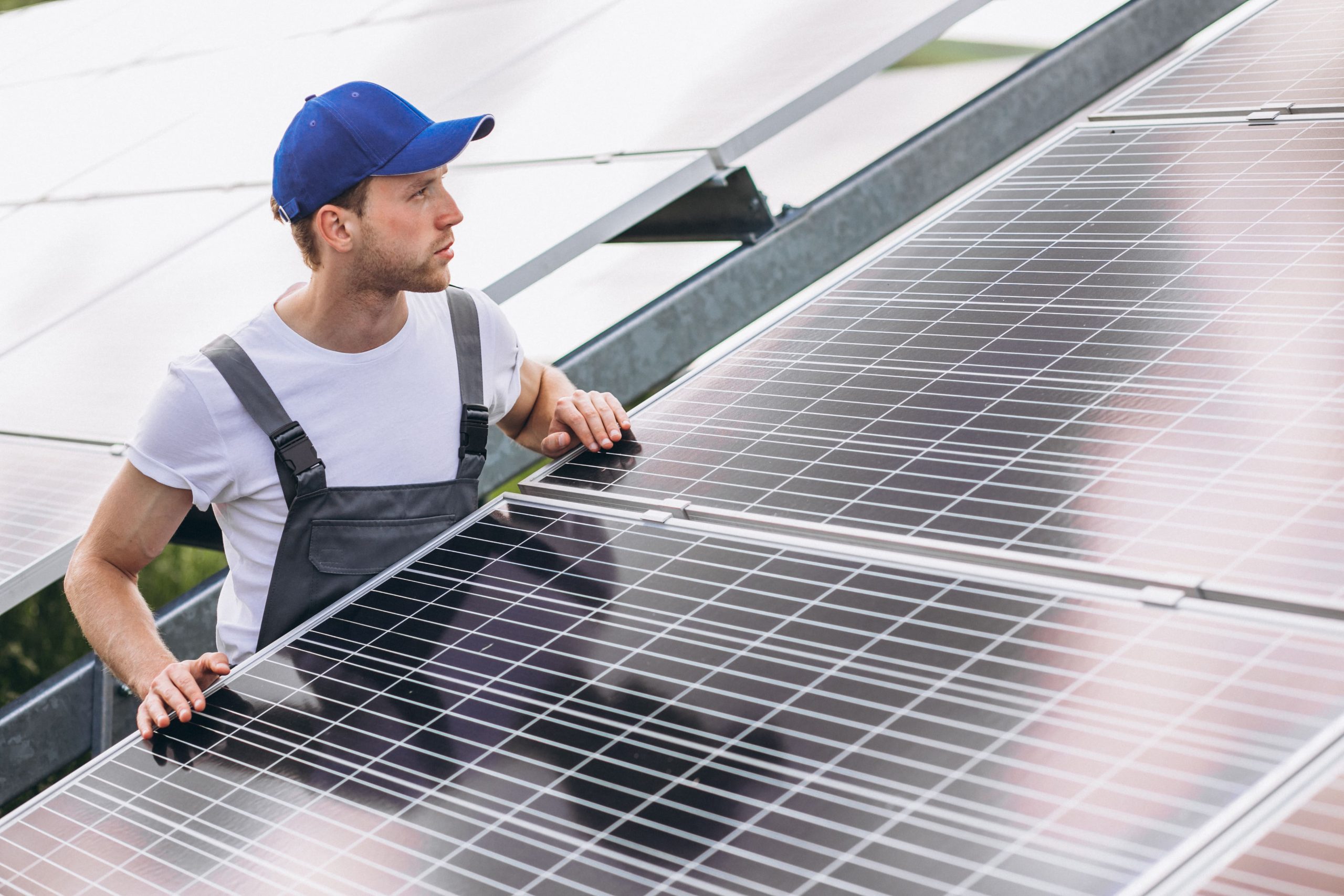
Thailand’s Solar PV Mounting Systems Market is experiencing steady growth as the country accelerates renewable energy deployment to reduce dependence on imported fossil fuels and strengthen energy security. Thailand has installed more than 3.5 GW of solar PV capacity, supported by utility-scale solar farms, commercial rooftop systems, and an expanding portfolio of floating solar projects. Under the country’s Power Development Plan (PDP), Thailand aims to significantly increase renewable energy’s contribution to the national electricity mix over the coming decades. Unlike many regional markets, Thailand is emerging as a leader in floating solar-hydropower hybrid projects, creating unique opportunities for specialized mounting systems, anchoring technologies, and corrosion-resistant solar infrastructure.
Key Market Drivers for the Thailand Solar PV Mounting Systems Market
Expansion of Floating Solar Projects Creates Demand for Specialized Mounting Systems
Thailand has become one of Asia’s most active markets for floating solar infrastructure. The 45 MW Hydro-Floating Solar Hybrid Project at Sirindhorn Dam serves as a flagship development, with the Electricity Generating Authority of Thailand (EGAT) planning additional floating solar installations across several hydropower reservoirs. These projects require advanced floating platforms, anchoring systems, and water-resistant mounting structures capable of operating in challenging aquatic environments. The growing adoption of floating solar is creating a distinct market segment for specialized mounting solution providers.
Corporate Renewable Energy Procurement Drives Commercial Rooftop Installations
Thailand’s industrial sector is increasingly adopting rooftop solar systems to manage rising energy costs and meet sustainability commitments. Manufacturing facilities, automotive plants, electronics producers, food processing companies, and logistics operators are investing in onsite solar generation to improve operational efficiency. The country receives approximately 1,800–2,500 sunshine hours annually, providing favorable conditions for solar generation across most regions. This trend is generating strong demand for rooftop mounting structures, lightweight aluminum racking systems, and high-durability support frameworks.
Utility-Scale Solar Farm Development Supports Ground-Mounted Infrastructure Growth
Thailand continues to expand utility-scale renewable energy capacity through government-backed procurement programs and private-sector investments. Large solar projects across central and northeastern provinces are increasing demand for fixed-tilt mounting systems, galvanized steel support structures, and solar tracking technologies. Developers are focusing on maximizing energy yields while minimizing installation costs, encouraging the adoption of modular mounting systems that improve construction efficiency and long-term project performance.
Government Support and Initiatives Supporting the Thailand Solar PV Mounting Systems Market
Thailand’s Solar PV Mounting Systems Market is benefiting from policy support under the country’s long-term energy transition strategy. The government aims to increase renewable energy’s role within the national power generation mix while reducing greenhouse gas emissions and enhancing energy security. Through initiatives led by the Energy Regulatory Commission (ERC) and EGAT, Thailand continues to promote utility-scale solar farms, floating solar-hydropower hybrids, and distributed solar installations. These initiatives are creating substantial opportunities for mounting system manufacturers supplying ground-mounted, rooftop, and floating solar applications.
Competitive Landscape of the Thailand Solar PV Mounting Systems Market
The Thailand Solar PV Mounting Systems Market is becoming increasingly competitive as international solar infrastructure providers, domestic steel manufacturers, EPC contractors, and engineering firms expand their market presence. Competition is primarily focused on cost efficiency, structural durability, corrosion resistance, and installation speed. Companies are investing in floating solar mounting technologies, hot-dip galvanized steel systems, and tracker-compatible structures designed for Thailand’s tropical climate. Strategic partnerships between project developers, utility companies, and mounting solution providers are becoming increasingly common as renewable energy investments continue to grow.
Major Challenges Facing the Thailand Solar PV Mounting Systems Market
High Humidity and Corrosion Risks
Thailand’s tropical climate exposes mounting structures to high humidity, heavy rainfall, and corrosion risks, particularly in coastal regions. Manufacturers must develop corrosion-resistant materials and protective coatings to ensure long-term structural reliability.
Grid Integration and Land Availability Constraints
As solar deployment expands, certain regions face challenges related to transmission infrastructure and land availability for utility-scale developments. Project developers must balance cost efficiency, environmental considerations, and grid connectivity requirements when selecting mounting solutions.
Future Outlook
Looking ahead to 2035, Thailand’s Solar PV Mounting Systems Market is expected to witness sustained growth as renewable energy deployment accelerates across utility-scale, commercial, rooftop, and floating solar segments. The country’s continued investment in floating solar projects, including additional reservoir-based installations, is expected to create strong demand for specialized mounting and anchoring technologies. Future market growth will also be supported by increasing corporate renewable energy procurement, industrial decarbonization initiatives, and utility-scale solar development. Companies investing in floating solar platforms, corrosion-resistant materials, automated installation technologies, and advanced tracking systems will be well-positioned to capitalize on Thailand’s evolving renewable energy landscape through 2035.
Consultants at Nexdigm, in their latest publication “Thailand Solar PV Mounting Systems Market Outlook to 2035,” analyse the sector By Mounting System Technology (Aluminum Alloy Frames, Dual-Axis Tracking Systems and Single-Axis Tracking Systems), By Application Sector (Utility-Scale Solar Farms and Agricultural Agri-PV Sites) and By Material Specification (Anodized Aluminum, Hot-Dip Galvanized Steel, Magnelis Coated Steel).
Nexdigm suggests that businesses in Thailand’s Solar PV Mounting Systems Market prioritize floating solar mounting technologies, corrosion-resistant structural solutions, and cost-efficient rooftop installation systems to capitalize on the country’s expanding renewable energy investments, growing industrial solar adoption, and increasing deployment of hybrid floating solar projects.
To take the next step, simply visit our Request a Consultation page and share your requirements with us.
Harsh Mittal
+91-8422857704