
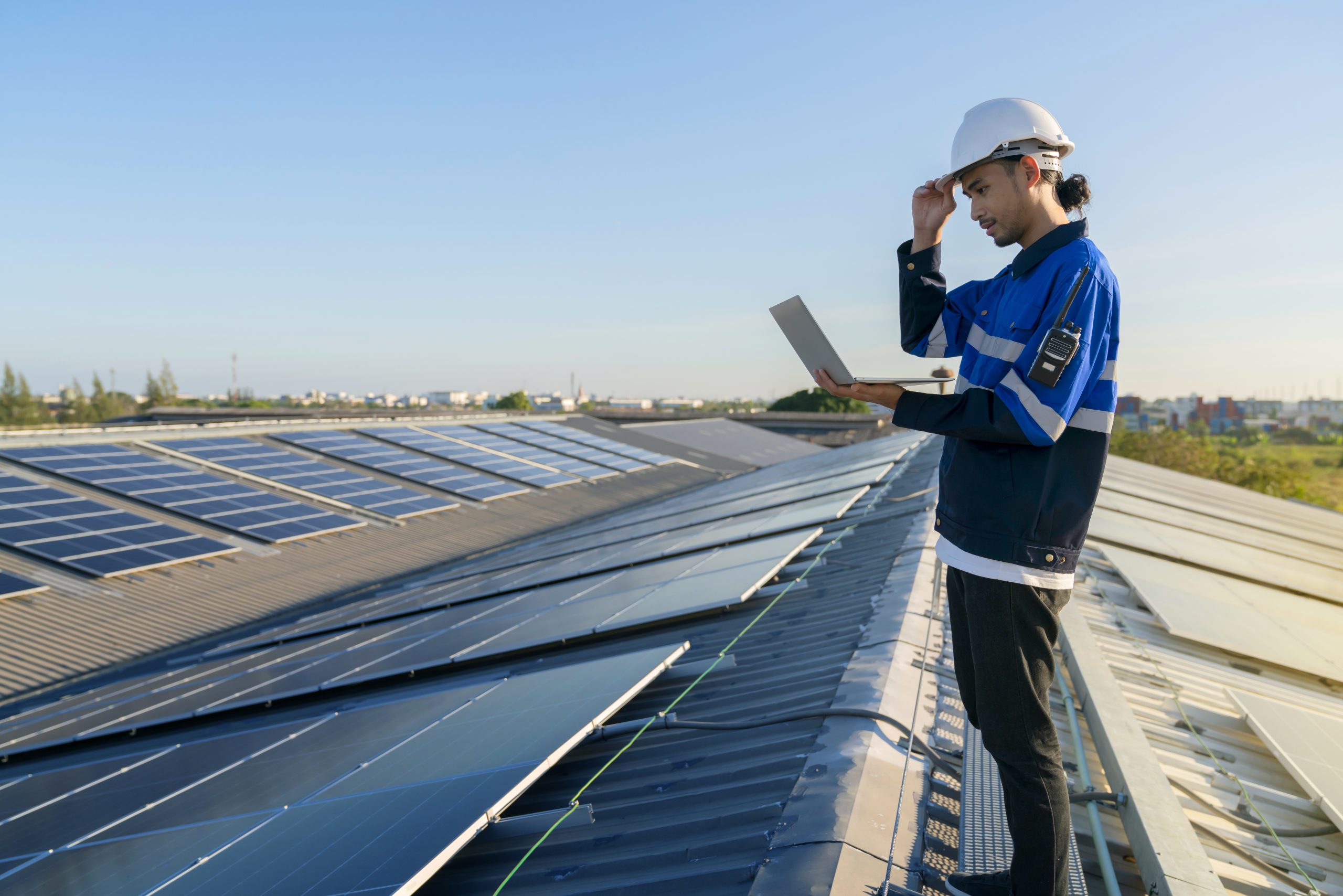
Thailand’s solar thermal systems market is gaining attention as businesses and industries explore renewable energy solutions to reduce electricity costs and dependence on conventional fuels. Solar thermal technology captures sunlight to generate heat for applications such as water heating, industrial processing, and electricity generation. Unlike solar photovoltaic (PV) systems, which convert sunlight directly into electricity, solar thermal systems use captured heat for energy requirements. Thailand’s Energy Regulatory Commission (ERC) has licensed five solar thermal power projects with a combined capacity of 24.03 MW, highlighting the segment’s emerging potential.
Key Market Drivers Supporting the Growth of Thailand’s Solar Thermal Systems Market
Increasing Industrial Demand for Renewable Heat Solutions
Thailand’s expanding manufacturing sector is creating opportunities for solar thermal systems, particularly in industries with consistent hot-water and low-temperature heating requirements. Food processing, beverages, textiles, chemicals, and hospitality facilities can use solar collectors to reduce dependence on conventional fuels for heating applications. Rising energy costs and corporate decarbonisation commitments are encouraging industrial operators to explore alternative heating technologies. Solar thermal systems can help businesses reduce operating expenses while supporting sustainability objectives. The opportunity is particularly relevant for facilities with substantial daytime heat consumption, where solar energy can be integrated into existing boilers and heating infrastructure.
Growing Investment in Solar Thermal Power Generation
The development of solar thermal electricity projects is creating another growth avenue for the Thai market. According to Thailand’s Energy Regulatory Commission, five solar thermal power projects with a combined capacity of 24.03 MW have been licensed. These include a 17 MW project by SCG Cleanergy in Nakhon Ratchasima and a 1.5 MW project by Gulf1 in Phra Nakhon Si Ayutthaya. Such investments demonstrate growing interest in technologies that convert solar heat into electricity for commercial and industrial consumption. As project developers gain experience and demonstrate operational performance, additional opportunities may emerge.
Rising Focus on Energy Security and Sustainable Operations
Thailand’s efforts to diversify its energy mix are encouraging businesses to consider renewable energy technologies beyond conventional solar PV. Solar thermal systems offer an alternative for applications where heat is directly required, potentially reducing the need to generate heat using electricity or fossil fuels. Hotels, hospitals, commercial buildings, and manufacturing facilities can benefit from solar water heating and hybrid heating solutions. Growing environmental awareness, energy efficiency targets, and corporate ESG commitments are expected to support market interest. Integration with thermal storage and conventional heating systems can further improve reliability and operational flexibility.
Government Support and Renewable Energy Initiatives Strengthening the Market
Thailand’s renewable energy development is guided by the National Energy Plan, Power Development Plan (PDP), and Alternative Energy Development Plan (AEDP). The draft AEDP 2024 targets a 37% renewable energy share in total final energy consumption by 2037, supporting the broader transition towards cleaner energy. Additionally, the Energy Regulatory Commission’s licensing of solar thermal projects is helping establish a foundation for commercial deployment. Although these policies largely address renewable energy as a whole, they create a favourable environment for solar thermal adoption.
Competitive Landscape of Thailand’s Solar Thermal Systems Market
Thailand’s solar thermal market remains relatively emerging, with competition involving renewable energy developers, engineering companies, equipment suppliers, and system integrators. SCG Cleanergy and Gulf1 are among the notable participants in the solar thermal power project pipeline, with licensed projects of 17 MW and 1.5 MW, respectively. Competition is expected to focus on technology efficiency, project financing, system integration, installation capabilities, and long-term maintenance support. Companies offering customised industrial heating solutions may gain an advantage as commercial adoption expands.
Market Challenges Affecting Thailand’s Solar Thermal Systems Industry
High Initial Investment and Cost Considerations
Solar thermal installations require investment in collectors, heat exchangers, storage tanks, and supporting infrastructure. These upfront costs can discourage smaller businesses, particularly when conventional heating systems remain relatively affordable. Longer payback periods may also affect investment decisions.
Limited Awareness and Technical Expertise
Solar thermal adoption remains constrained by limited awareness of industrial applications and a shortage of specialised installation and maintenance professionals. Additionally, integrating solar heating with existing industrial processes requires technical expertise and careful system design. These factors can slow adoption among potential users.
Future Outlook
Thailand’s solar thermal systems market is expected to develop gradually through 2035 as industries seek cleaner heating alternatives and renewable energy developers explore new technologies. Industrial process heating, commercial water heating, hospitality facilities, and solar thermal power generation are likely to offer promising opportunities. Growing investments in thermal storage, hybrid heating systems, and advanced solar collectors could improve system efficiency and commercial viability. However, market expansion will depend on supportive financing, technology awareness, and successful demonstration projects. Companies focusing on industrial applications, customised solutions, and reliable after-sales services are expected to benefit as Thailand advances its long-term energy transition.
Consultants at Nexdigm, in their latest publication “Thailand’s solar thermal systems market outlook to 2035” analyze the sector By System Technology (Selective Coated Copper Absorbers, Black Chrome Coated Aluminum, Tempered Low-Iron Glass Glazing), By Controlled Configuration (Thermosiphon Systems, Forced Circulation Systems)
Nexdigm suggests that businesses should capitalise on Thailand’s renewable energy transition by investing in industrial solar heating solutions, developing thermal storage capabilities, and offering cost-efficient systems to meet growing demand for sustainable energy.
To take the next step, simply visit our Request a Consutation page and share your requirements with us.
Harsh Mittal
+91-8422857704
[email protected]