
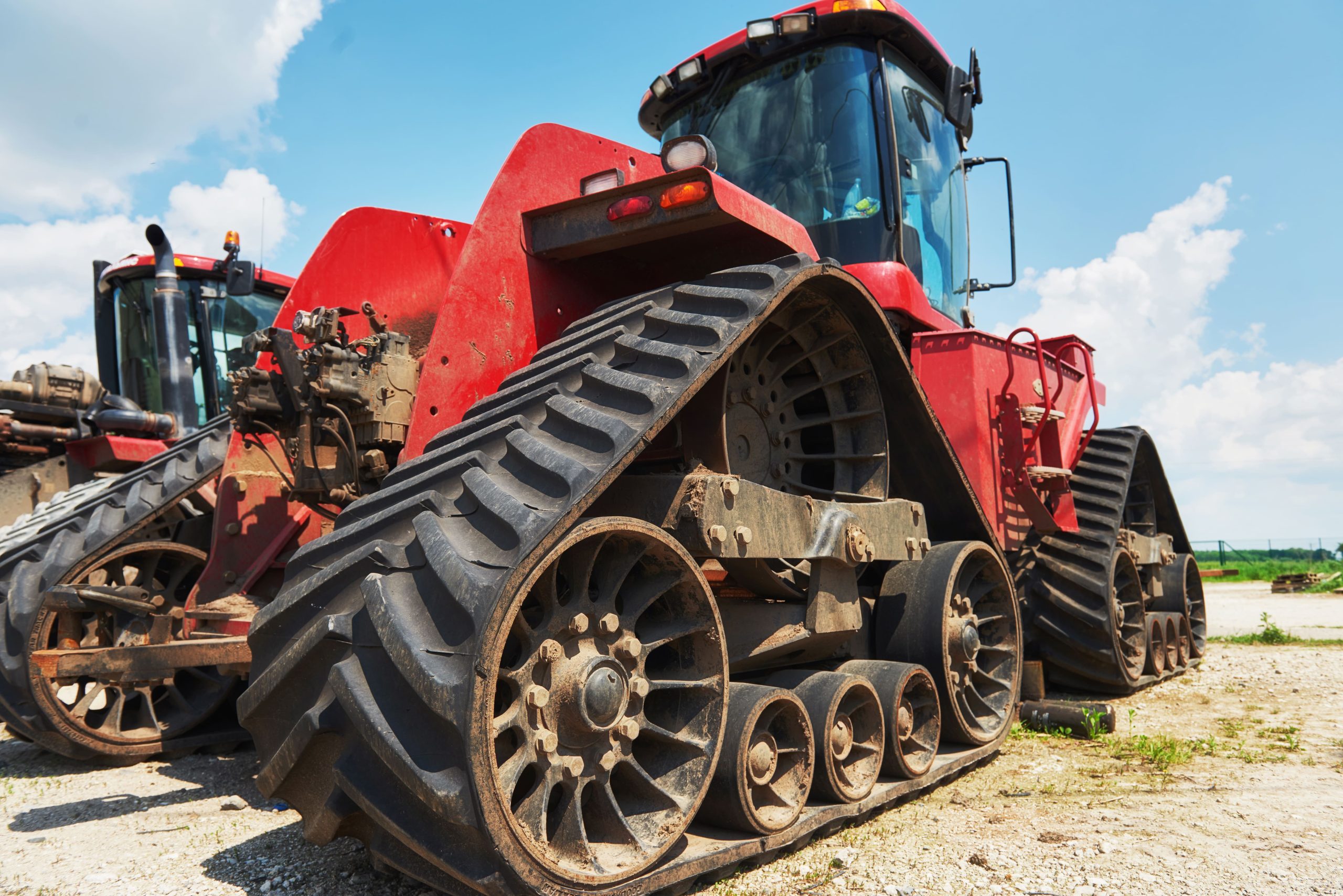
The Turkey agricultural equipment market is witnessing steady evolution as the country modernizes its farming practices and strengthens its position as a leading agricultural producer in Europe and the Middle East. As of 2026, Turkey remains one of the largest agricultural economies in the region, supported by diverse climatic zones and strong export-oriented production in grains, fruits, and vegetables. However, farm fragmentation and aging machinery fleets continue to shape demand patterns. Increasing mechanization, adoption of precision agriculture technologies, and government-backed rural development programs are driving investment in tractors, harvesters, irrigation systems, and soil preparation equipment. While domestic manufacturers have a strong presence, imports of high-horsepower tractors and advanced harvesting machinery continue to supplement local supply. Through 2035, modernization and efficiency improvements are expected to remain central to market expansion.
What’s Driving the Agricultural Equipment Market in Turkey?
Rising Mechanization and Farm Productivity Goals
Turkey has over 23 million hectares of agricultural land, yet productivity per hectare varies significantly due to fragmented landholdings and varying mechanization levels. Farmers are increasingly upgrading from older tractors to fuel-efficient and higher horsepower models to improve operational efficiency. Demand for combine harvesters, balers, seed drills, and precision planters is rising, particularly in large-scale grain-producing regions such as Central Anatolia and Thrace. Mechanization is becoming essential as rural labor availability tightens and wage costs rise.
Growth in Precision Agriculture and Smart Technologies
Digital transformation in agriculture is gradually reshaping equipment demand. Farmers are adopting GPS-enabled tractors, variable rate technology (VRT), and smart irrigation systems to optimize input usage and improve yields. Precision farming solutions are particularly gaining traction among commercial farms focused on export crops. Equipment integrated with telematics and remote monitoring capabilities is increasingly preferred, enabling predictive maintenance and better fleet management. This technological shift is expected to accelerate through 2035 as awareness and financing options improve.
Strong Domestic Manufacturing Base and Export Orientation
Turkey has a well-established agricultural machinery manufacturing ecosystem, with companies such as TürkTraktör, Hattat Traktör, and Erkunt Traktör playing a significant role. TürkTraktör, operating under license agreements with global brands, remains one of the largest tractor producers in Turkey and exports to multiple countries. The presence of domestic manufacturing reduces import dependency for low- to mid-horsepower tractors, while positioning Turkey as a regional export hub serving Eastern Europe, Central Asia, and parts of Africa.
Government-Led Initiatives Supporting Farm Modernization
The Turkish government continues to support mechanization through rural development grants, subsidized credit lines, and equipment purchase incentives under agricultural modernization programs. Support schemes under IPARD (Instrument for Pre-Accession Assistance in Rural Development) co-financed by the European Union have enabled farmers to access partial funding for tractors, milking systems, and greenhouse equipment. Additionally, sustainability-focused policies are encouraging adoption of water-efficient irrigation systems and low-emission machinery. These initiatives are accelerating replacement demand and supporting structured growth in the equipment market.
Market Competition and Distribution Landscape
The Turkey agricultural equipment market is moderately competitive, with a mix of domestic manufacturers and international brands. Global players such as John Deere, CNH Industrial (owner of New Holland Agriculture), and AGCO Corporation maintain a presence through dealerships and joint ventures. While domestic brands dominate the sub-100 HP tractor segment, international manufacturers are stronger in high-horsepower tractors and technologically advanced combine harvesters. Distribution is largely dealer-driven, supported by after-sales service networks and spare parts availability, which play a crucial role in purchasing decisions.
High Input Costs and Financing Constraints
Fluctuating currency conditions and persistent inflationary pressures continue to elevate operational costs for Turkish farmers, particularly for fuel, fertilizers, spare parts, and imported machinery components. While government-backed subsidized credit programs support equipment purchases, access to affordable financing remains uneven, especially for small and medium-sized farms. High interest rates and strict collateral requirements often delay investment decisions. Moreover, reliance on imported parts for technologically advanced machinery increases exposure to exchange rate volatility, further raising total ownership costs and limiting timely modernization.
Future Outlook
The Turkey agricultural equipment market is expected to register stable growth through 2035, driven by replacement demand, export expansion, and gradual adoption of smart farming technologies. By 2035, a larger share of tractors in operation is expected to feature precision guidance systems and telematics integration. Domestic manufacturers are likely to increase R&D investments to enhance fuel efficiency and develop hybrid or alternative-fuel machinery aligned with sustainability goals. Moreover, consolidation among small farms and expansion of contract farming models may encourage demand for higher horsepower and multi-functional equipment. Turkey is poised not only to modernize its domestic agricultural base but also to strengthen its position as a regional manufacturing and export hub for agricultural machinery.
Consultants at Nexdigm, in their latest publication “Turkey Agricultural Equipment Market Outlook to 2035,” analyzed the market by Equipment Type (Tractors, Harvesting Equipment, Planting & Seeding Equipment, Irrigation Systems, Hay & Forage Machinery), By Horsepower (Below 50 HP, 50–100 HP, Above 100 HP), By Application (Crop Production, Horticulture, Livestock Farming), and By Distribution Channel (Authorized Dealers, Independent Dealers, Online Platforms). Nexdigm believes that businesses should prioritize precision-enabled equipment, flexible financing models, and export-oriented manufacturing strategies to capitalize on Turkey’s long-term mechanization and modernization trajectory.
To take the next step, simply visit our Request a Consultation page and share your requirements with us.
Harsh Mittal
+91-8422857704