
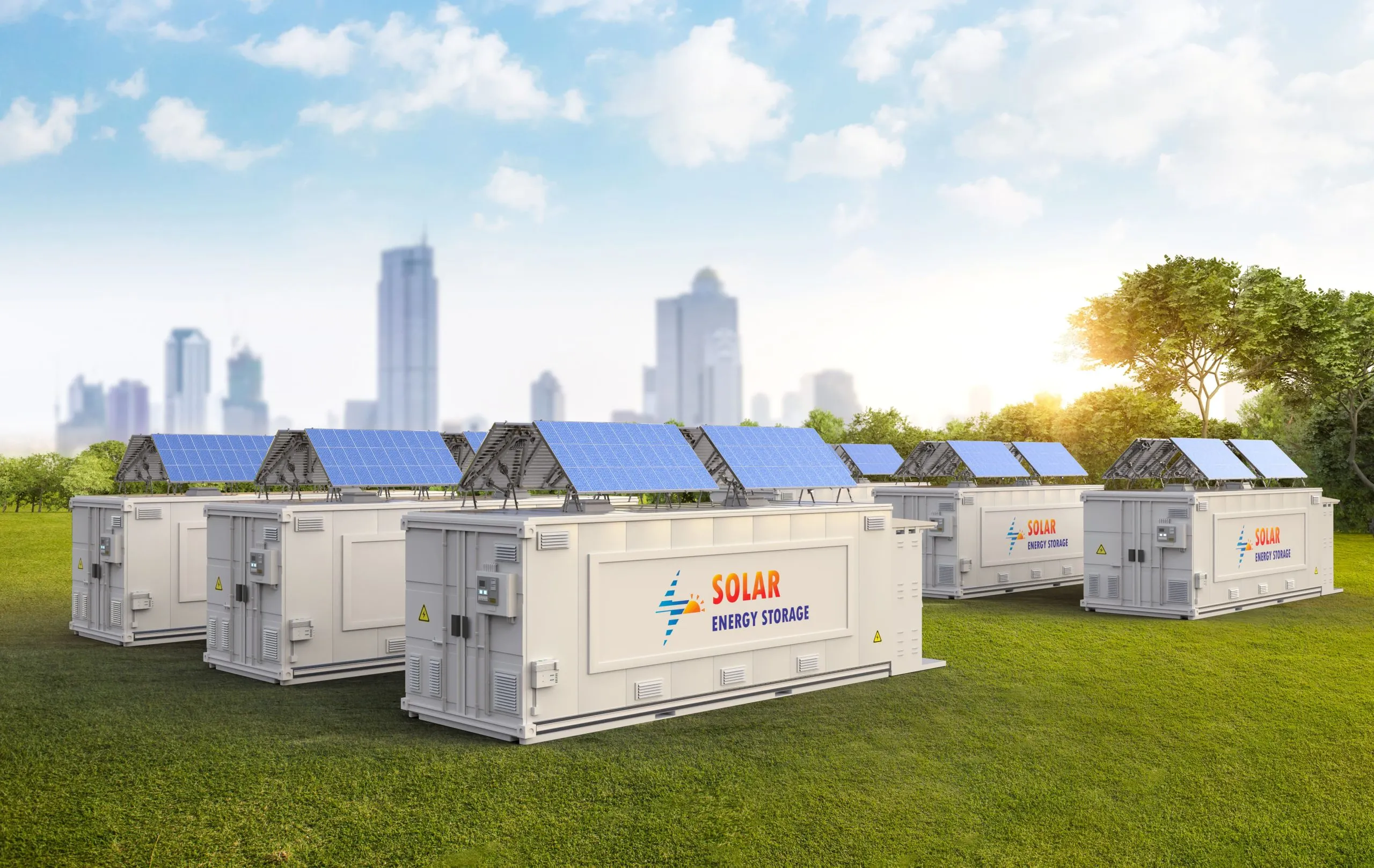
Turkey’s energy sector has entered a very different phase over the last few years. The country is no longer focused only on adding renewable capacity – attention has now shifted toward managing intermittency, grid balancing, and long-term energy reliability. That shift is bringing battery energy storage systems into the spotlight. As of 2026, Turkey continues to expand its solar and wind installations across regions such as Central Anatolia, Izmir, and the Marmara belt, yet storing that electricity efficiently remains one of the biggest practical hurdles. Energy storage is becoming increasingly relevant not only for utilities but also for industrial facilities, commercial buildings, and electric vehicle charging operators. In practice, many businesses in Turkey are dealing with volatile electricity prices and periodic grid stress during peak demand periods. Storage systems offer a way to smooth consumption patterns and reduce dependence on expensive grid power. The market is still developing, but the direction is becoming difficult to ignore.
What’s Driving the Energy Storage Market in Turkey?
Expansion of Renewable Power Projects
Turkey has spent years building out renewable energy capacity to reduce reliance on imported natural gas. Solar farms and wind parks are now common across several provinces, particularly in areas with strong irradiation and wind potential. The challenge, though, is that renewable generation rarely matches consumption patterns perfectly. A solar plant may produce excess electricity at midday while demand peaks later in the evening. This mismatch has created a strong case for utility-scale battery storage. Energy developers increasingly view storage not as an optional add-on but as a practical requirement for maintaining grid reliability. Hybrid renewable projects paired with batteries are also becoming more common in licensing applications.
Industrial Demand for Energy Reliability
Manufacturing remains one of Turkey’s economic pillars, especially in automotive production, textiles, chemicals, and heavy engineering. Many industrial operators have become highly sensitive to electricity costs after years of currency fluctuations and rising energy import bills. On the ground, factories are exploring battery storage alongside rooftop solar installations to reduce exposure to unpredictable power prices. There is also a reliability angle that often gets overlooked. Short power disruptions can create costly downtime for industrial facilities. For sectors operating continuous production lines, even a brief interruption may lead to material losses or equipment recalibration expenses. Storage systems help reduce that operational risk.
Electric Vehicle Adoption and Charging Infrastructure
Turkey’s electric vehicle market remains smaller than parts of Western Europe, but momentum has picked up quickly since domestic EV manufacturing initiatives gained visibility. Public charging networks are spreading across major cities and highway corridors, especially around Istanbul, Ankara, and Antalya. Fast-charging stations place considerable pressure on local electricity networks during peak usage periods. Battery storage offers a partial solution by storing electricity during lower-demand hours and releasing it when charging activity rises. Several charging operators are already experimenting with integrated battery systems to improve efficiency and lower peak demand costs.
Government-Led Initiatives Supporting Energy Storage
Turkey’s regulators have gradually become more supportive of energy storage deployment, particularly as renewable penetration rises. The Energy Market Regulatory Authority has introduced measures allowing renewable energy projects to integrate storage capacity with fewer licensing complications. That may sound administrative, but in reality it removes one of the biggest bottlenecks developers previously faced. The country’s net-zero target for 2053 has also started influencing investment decisions. Public utilities are under pressure to modernize transmission infrastructure and improve flexibility within the power system. While policy support exists, investors still remain cautious because regulatory clarity around storage revenues and long-term grid compensation mechanisms continues to evolve.
Market Competition and Technology Landscape
The Turkey energy storage market includes a mix of global battery suppliers, domestic engineering firms, and renewable project developers. International companies such as Tesla, BYD, and Huawei have strengthened their regional presence through battery and smart energy offerings. Lithium-ion technology currently dominates most installations because costs have fallen substantially over the last decade. Yet there is growing interest in alternatives such as sodium-ion and flow batteries for long-duration applications. Some developers remain cautious about relying too heavily on lithium supply chains given ongoing geopolitical and raw material concerns.
High Capital Costs and Import Dependence
A common challenge is the heavy reliance on imported battery cells and energy storage components. Turkey has local manufacturing capabilities in several industrial sectors, but large-scale battery production remains relatively limited. That creates exposure to foreign exchange fluctuations, particularly during periods of currency volatility. Initial investment costs also remain high for many commercial and industrial users. While battery prices have declined globally, financing large storage installations is still difficult without clear long-term returns. Smaller businesses often hesitate because payback periods can vary significantly depending on electricity tariffs and usage patterns.
Turkey Emerges as Europe’s Fastest Growing Battery Storage Market
Turkey has recently drawn global attention after approving more than 33 GW of battery storage capacity since 2022, surpassing several major European markets in planned pipeline size. Recent industry developments include new hybrid renewable projects integrating wind generation with battery energy storage systems in Izmir and other renewable-rich regions. Chinese battery giant CATL has also expanded collaboration with Turkish EV manufacturer Togg to support future electric mobility production. Analysts believe Turkey’s supportive storage regulations and growing renewable energy capacity are turning the country into one of the most closely watched battery markets in Europe and the Middle East.
Future Outlook
Turkey’s energy storage market will likely look far more mature by 2035 than it does today. Renewable energy expansion alone almost guarantees stronger demand for flexible storage capacity over the next decade. Grid modernization, EV charging infrastructure, and industrial self-generation projects should all contribute to broader battery adoption. At the same time, the market may develop unevenly. Large utility projects and industrial users are likely to adopt storage much faster than smaller commercial operators due to financing constraints. Even so, Turkey’s location between Europe, Asia, and the Middle East gives it an advantage as regional electricity trade and renewable investments continue to expand.
Consultants at Nexdigm, in their latest publication “Turkey Energy Storage Market Outlook to 2035,” analyzed the market by Technology (Lithium-Ion Batteries, Flow Batteries, Sodium-Ion Batteries, Lead-Acid Batteries), By Application (Utility-Scale Storage, Commercial & Industrial, Residential, EV Charging Infrastructure), and By End User (Utilities, Industrial Sector, Commercial Buildings, Renewable Energy Developers). Nexdigm believes companies entering this space should focus on localized partnerships, flexible financing models, and hybrid renewable-storage projects rather than relying solely on standalone battery deployments.
To take the next step, simply visit our Request a Consultation page and share your requirements with us.
Harsh Mittal
+91-8422857704