
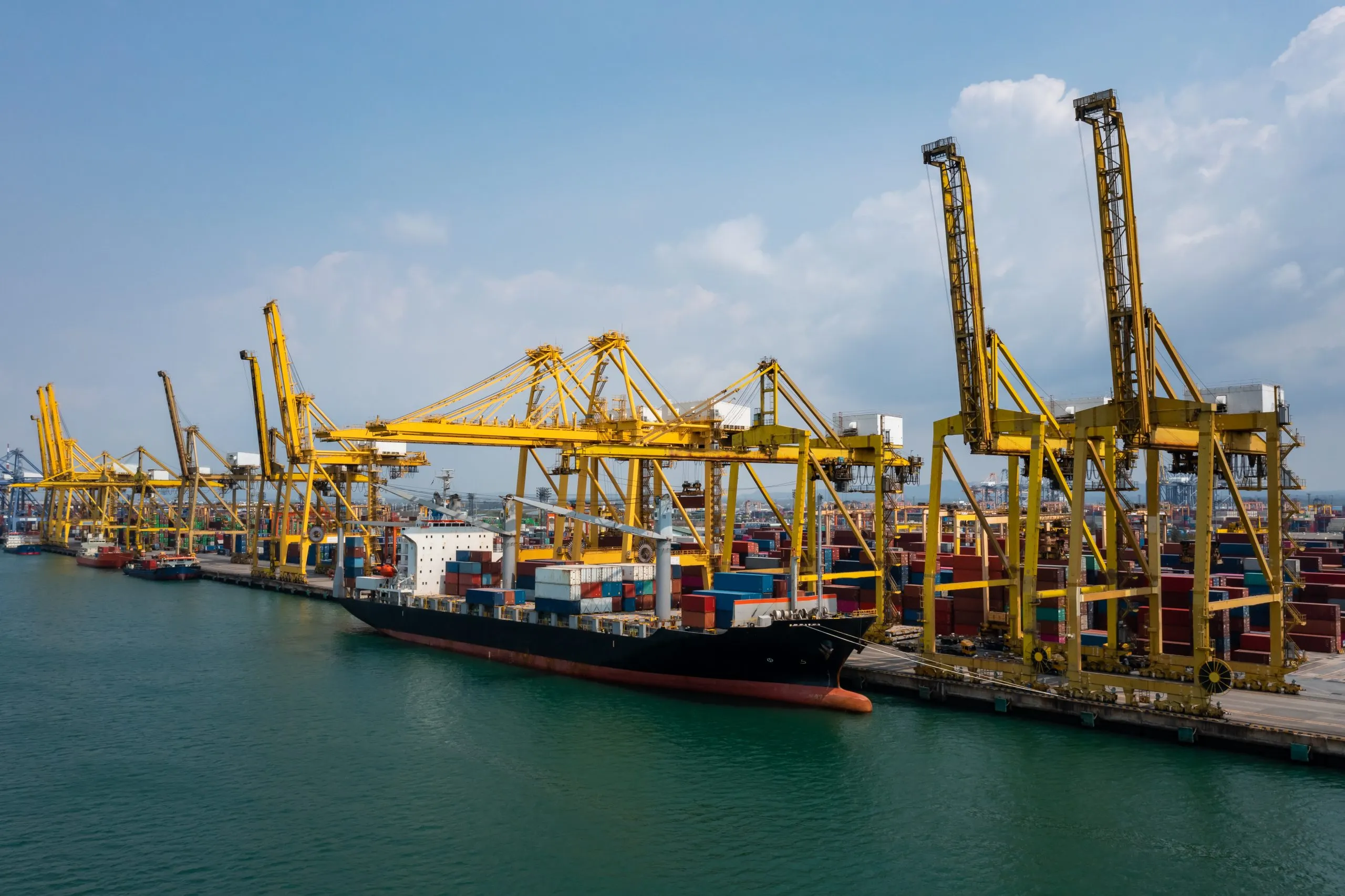
Turkey’s freight forwarding sector is starting to emerge as a key element for the entirety of Turkey’s logistics environment due to Turkey’s specific geographic location at the crossroads of Asia and Europe. Overall logistics sector in Turkey is assessed at USD 100 billion by 2024 and service exports as well as the global world trade connections are much dependent on it, with freight forwarding being a small portion in comparison but crucial portion (USD 700 million+ by 2029) on helping the international movement and multimodal transportation.
Key Factors Driving Growth in Turkey’s Freight Forwarding Market
Strategic Geographic Position & Trade Growth
One factor attributed to Turkey’s growth is its advantageous location between Europe, Asia, and the Middle East. As Turkey is within a 4 hour flight away from 67 countries representing $30 Trillion it represents great potential as a logistics hub for the world. Another component to this factor is that from 2002 to 2024 Turkey’s exports have increased by a great value from $36 billion to $261 billion. This is sure to contribute to increased freight volumes, and therefore increased demand for freight forwarding.
E-commerce Expansion and CEP Growth
The growth of e-commerce in Turkey significantly affects the logistics demand. CEP services are expected to growth by over 7% CAGR, driven by the expansion of online retail. To meet the growing demand for last mile delivery solutions, Warehousing, digital tracking services especially for the international parcel of e-commerce and freight forwarders are developing new services
Infrastructure Development & Multimodal Logistics
Improvements are taking place to Turkey’s logistical capability with massive investment being channeled into rail, ports and intermodal transport. Investment is also going into connecting Asia and Europe with a Trans-Caspian corridor and further investments being poured into rail. The viability of multimodal freight forwarding is now increasing.
Government Policies and Strategic Initiatives Supporting Logistics Growth
Logistics is a field where Turkey’s state wants to concentrate in order to become one of the world’s first countries in terms of logistics. It does so through high investments in infrastructures, like development of railway lines or modernization of ports, but also through promoting green logistics or digitalization as well as objectives like export of 78 Billion dollars for logistics services for the year 2028.
Market Competition Overview with Presence of Global and Domestic Players
Turkey is a reasonably fragmented freight forwarding market with both international and local operators. Large players include DHL Express, UPS, Kuehne + Nagel, DB Schenker and Turkish Cargo, while international operators in the market already have an established large international network. The key competitive advantages in the market are quality of service, digital offer and multi-modal transport solutions. M&A activities are affecting the market, such as international companies growing local capabilities.
Key Challenges Impacting Growth of Turkey’s Freight Forwarding Market
Rising Operational Costs
The transportation cost remains the main concern as cost for fueling keeps on increasing and also impacting the profit margins. The transportation costs for the routes were quite steep due to increased fuel prices and increased inflation in 2023.
Economic and Regulatory Volatility
The volatility in currency and frequently changing regulations in the area of trade causes insecurity and threats to the logistics service provider affecting cost, profitability and investment planning in the long run, for the international freight forwarding companies which are located in Turkey, this is of significance.
Future Outlook
Over the next ten years Turkey’s freight forwarding market will be fueled by trade developments, trend in nearshoring and increasing digitization in logistics processes and grow steady. Over the next 10 years, freight & logistics market will have CAGR in 4-8% overall owing to a steady and long-term demand. Green logistics and, automated solutions and AI based supply chain solutions will keep shaping the industry in. Freight forwarders in Turkey may increasingly move towards a strategic role and will aim at creating frictionless cross-border logistics chains, as Turkey gains a strategic position on the world’s trade arteries.
Consultants at Nexdigm, in their latest publication “Turkey Freight Forwarding Market Outlook to 2035,” analyze the sector by System Type (Road Freight, Air Freight, Ocean Freight, Rail Freight), By Platform Type (Transportation Management Systems, Warehouse Management Systems, Integrated Freight Management Platforms), and By Fitment Type (On-premise Solutions, Cloud-based Solutions, Hybrid Solutions). Nexdigm suggests that businesses should align their strategies with evolving global trade dynamics, increasing cross-border e-commerce demand, and Turkey’s growing role as a regional logistics hub by investing in digital logistics platforms, strengthening multimodal transportation capabilities, and building resilient, cost-efficient supply chain networks, while also proactively adapting to regulatory changes, currency fluctuations, and rising operational costs to sustain competitiveness and capture long-term growth opportunities in the freight forwarding market.
To take the next step, simply visit our Request a Consultation page and share your requirements with us.
Harsh Mittal
+91-8422857704