
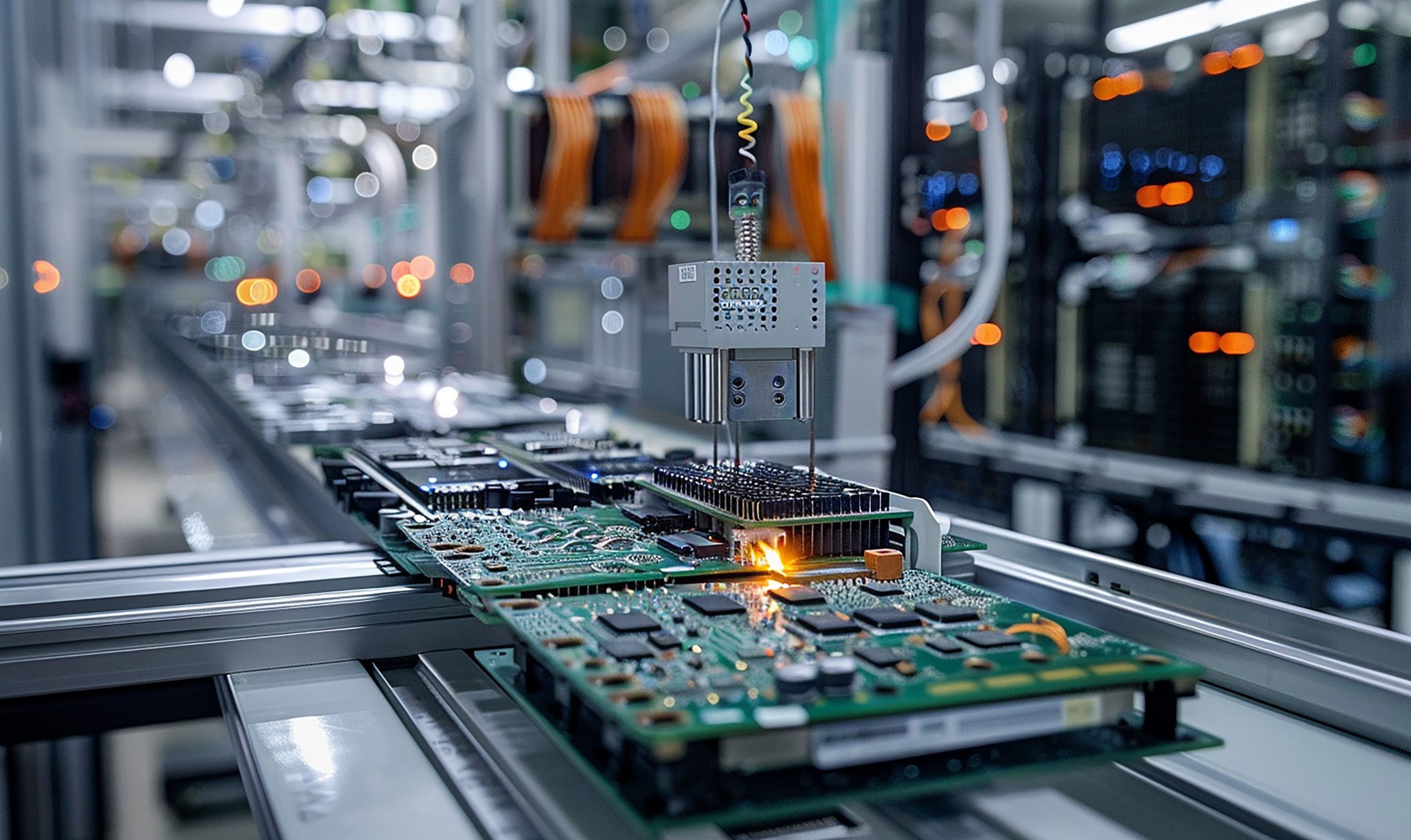
Turkey’s semiconductor infrastructure market is gradually emerging as a strategic priority as the country aims to strengthen its position in advanced manufacturing and reduce dependency on imported electronics. As of 2026, Turkey remains heavily reliant on semiconductor imports, particularly for high-value chips used in automotive, defense, and consumer electronics. However, growing investments in industrial digitalization, defense technologies, and electric mobility are pushing the need for a localized semiconductor ecosystem. Government-backed initiatives, increasing R&D spending, and partnerships with global technology firms are expected to play a crucial role in shaping Turkey’s semiconductor infrastructure landscape through 2035.
What’s Driving the Semiconductor Infrastructure Market in Turkey?
Rising Demand from Automotive and Electronics Industries
Turkey’s strong automotive manufacturing base, which serves as a key export hub to Europe, is a major driver of semiconductor demand. The increasing integration of advanced driver-assistance systems (ADAS), electric vehicle components, and connected car technologies is accelerating the need for high-performance chips. Similarly, the consumer electronics and white goods sectors are expanding production, further driving semiconductor consumption and highlighting the need for domestic infrastructure development.
Growth in Defense and Aerospace Technologies
Turkey’s defense and aerospace sectors are investing heavily in indigenous technologies, including unmanned systems, radar, and communication equipment. These applications require specialized semiconductors, prompting the government to prioritize domestic chip design and fabrication capabilities. The push for technological sovereignty in defense is a key catalyst for building semiconductor infrastructure, including design centers and testing facilities.
Digital Transformation and Industry 4.0 Adoption
The adoption of Industry 4.0 practices across manufacturing sectors is increasing demand for sensors, microcontrollers, and power semiconductors. Smart factories, automation systems, and IoT-enabled devices are becoming more prevalent in Turkey’s industrial landscape. This digital shift is creating long-term demand for semiconductor components and encouraging investments in local design and packaging capabilities.
Government-Led Initiatives
The Turkish government has identified semiconductors as a strategic sector under its national industrial and technology roadmap. Incentives such as tax benefits, R&D grants, and investment subsidies are being offered to attract both domestic and foreign players. Technology development zones and innovation hubs are being expanded to support semiconductor design and prototyping activities. Additionally, collaborations with international semiconductor firms and research institutions are expected to facilitate knowledge transfer and accelerate ecosystem development. These initiatives aim to reduce import dependency and position Turkey as a regional player in semiconductor design and backend manufacturing.
Market Competition
Turkey’s semiconductor infrastructure market is still in a nascent stage, with limited presence of large-scale fabrication facilities. The market is characterized by a mix of local design firms, research institutions, and global technology companies engaged in partnerships and technology transfer. Domestic companies are focusing primarily on chip design, embedded systems, and niche applications, while advanced fabrication remains largely dependent on international foundries. Over time, increased investments and strategic alliances are expected to enhance Turkey’s capabilities across the semiconductor value chain.
High Import Dependency and Technological Gaps
One of the major challenges facing Turkey’s semiconductor infrastructure market is its heavy reliance on imports for advanced chips and fabrication technologies. As of 2026, a significant share of semiconductors used in Turkey is sourced from global suppliers, particularly for high-performance and specialized applications. The absence of advanced fabrication plants, high capital requirements, and technological complexities pose barriers to entry. Additionally, limited access to skilled talent and advanced manufacturing equipment further constrains the development of a fully integrated semiconductor ecosystem.
Future Outlook
Turkey’s semiconductor infrastructure market is expected to witness gradual but strategic growth through 2035, driven by increasing demand from automotive, defense, and industrial sectors. The country is likely to focus on strengthening its capabilities in chip design, testing, and packaging, while selectively investing in fabrication technologies where economically viable. By 2035, Turkey aims to reduce its reliance on semiconductor imports by developing a more self-sufficient ecosystem supported by government incentives and international collaborations. The expansion of electric vehicle production, smart manufacturing, and defense technologies will continue to generate sustained demand for semiconductors. Moreover, Turkey’s geographical position between Europe and Asia provides an opportunity to emerge as a regional hub for semiconductor design and backend services. While challenges related to capital intensity and technology access will persist, consistent policy support and private-sector participation are expected to drive long-term growth.
Consultants at Nexdigm, in their latest publication “Turkey Semiconductor Infrastructure Market Outlook to 2035,” analyzed the market by Component (Fabrication Facilities, Assembly & Packaging, Testing Infrastructure, Design Centers), By End-User (Automotive, Consumer Electronics, Industrial, Defense & Aerospace, Telecommunications), and By Investment Type (Domestic Investment, Foreign Direct Investment, Public-Private Partnerships). Nexdigm believes that businesses should prioritize building design capabilities, fostering international collaborations, and investing in talent development to strengthen Turkey’s semiconductor ecosystem over the next decade.
To take the next step, simply visit our Request a Consultation page and share your requirements with us.
Harsh Mittal
+91-8422857704