
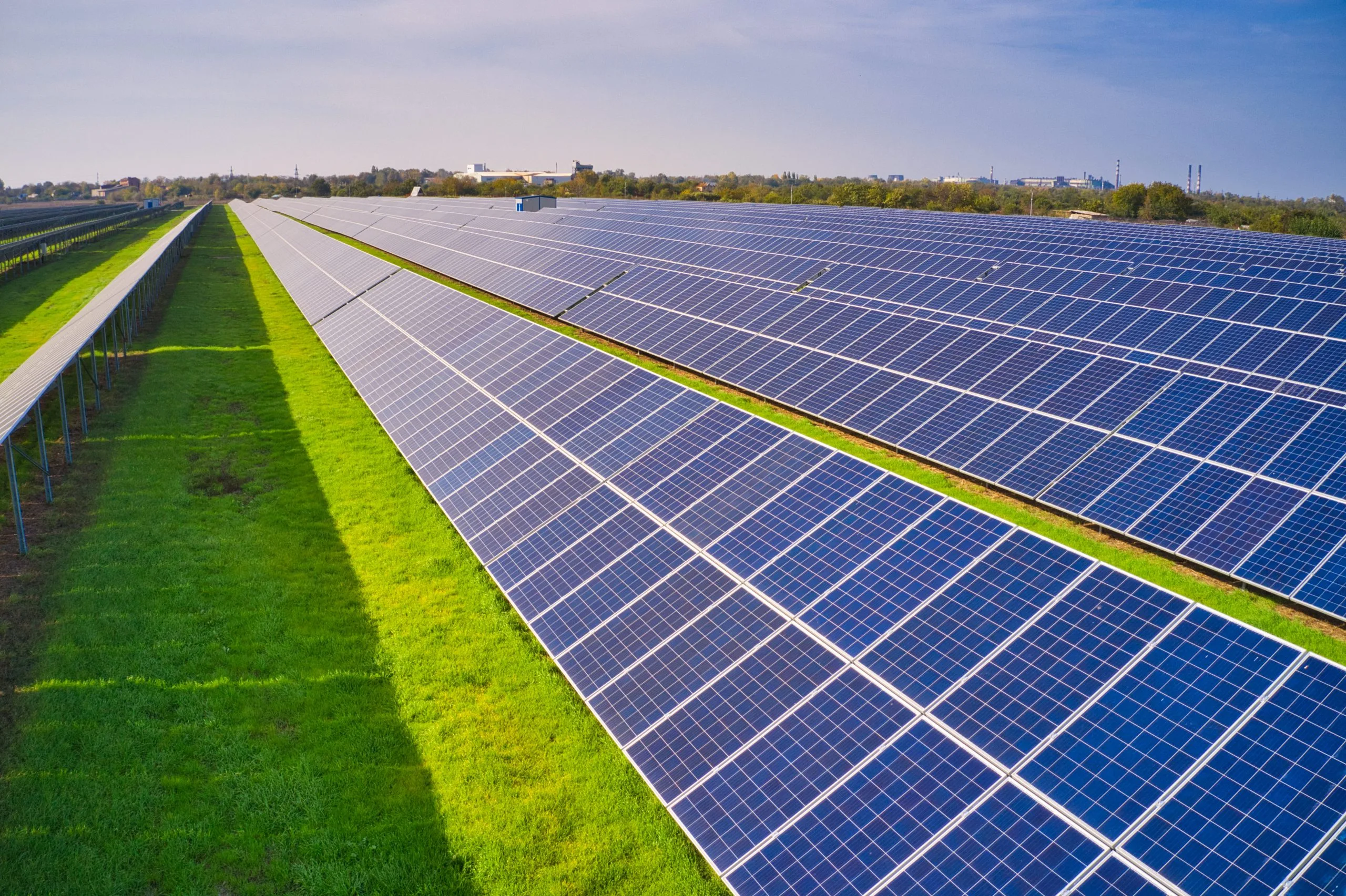
Turkey’s solar PV market has moved well beyond the early adoption stage and is now becoming a serious part of the country’s long-term energy mix. Over the past few years, rising electricity prices, concerns around energy imports, and pressure from industrial consumers to secure cleaner power have pushed solar installations into the mainstream. As of 2026, Turkey remains heavily dependent on imported energy resources, particularly natural gas, which has made renewable energy investment less of an environmental choice and more of an economic necessity. Solar power, with the country’s high irradiation levels across regions such as Konya, Gaziantep, and Sanliurfa, is increasingly viewed as one of the most practical alternatives available.
What’s Driving the Solar PV Market in Turkey?
Industrial Consumers Looking to Cut Energy Costs
Manufacturers in Turkey are under constant pressure from fluctuating electricity tariffs and export-related sustainability requirements. Many industrial facilities, especially textile producers, automotive suppliers, and food processing plants, have started installing rooftop solar systems to stabilize operational expenses. In practice, self-generation has become financially attractive for factories running energy-intensive operations during daylight hours. Some exporters selling into Europe are also treating renewable electricity adoption as a commercial necessity because buyers are placing greater attention on carbon footprints and supply chain disclosures.
Falling Equipment Prices and Better Technology
A few years ago, large solar installations in Turkey were mostly limited to utility-backed developers with access to financing. That has changed considerably. The price of photovoltaic modules and inverters has dropped enough to make mid-sized commercial projects economically viable. Higher panel efficiency is also improving land utilization, which matters in densely developed industrial zones. Battery storage is still relatively expensive, but interest in hybrid systems has started growing, particularly among businesses dealing with unreliable peak-hour electricity costs.
Expansion of Utility-Scale Solar Projects
Large-scale solar farms continue to shape the market, particularly through government-backed renewable auctions. Central Anatolia has become a hotspot because of its strong sunlight conditions and available land parcels suitable for grid-connected projects. International investors are still active in Turkey despite periodic currency volatility, largely because long-term electricity demand remains solid. On the ground, developers are becoming more selective about project locations due to transmission bottlenecks and permitting delays, but utility-scale solar still holds strong momentum.
Government-Led Renewable Energy Initiatives
The Turkish government has spent the last several years encouraging domestic renewable energy production through mechanisms such as the YEKA renewable energy auctions and localized manufacturing incentives. Policymakers want to reduce dependence on imported fuels while strengthening local production of solar modules and related equipment. Feed-in tariff schemes helped the market during its earlier phase, though many developers now focus more on direct consumption and corporate power purchase agreements rather than relying solely on subsidies. There is also growing attention on domestic manufacturing capability. Turkey already has a developing solar panel production base, and officials have signaled interest in expanding local value addition across cells, modules, and mounting structures. Whether the country can compete directly with lower-cost Asian manufacturers remains uncertain, but local supply chains are gradually improving.
Market Competition and Industry Landscape
The Turkey solar PV market remains moderately fragmented. International engineering firms, local EPC contractors, and regional energy developers are all competing for opportunities across utility and commercial installations. Several Turkish companies have strengthened their position by focusing on turnkey rooftop projects for industrial clients rather than purely large-scale power plants. Competition is becoming less about simply installing capacity and more about offering financing flexibility, maintenance support, and energy management services. That shift is changing the business model. Customers increasingly want long-term operational savings rather than just low installation costs.
Grid Infrastructure and Financing Constraints
One of the more practical issues facing the market is grid integration. Certain regions with strong solar potential already face transmission limitations, making new project approvals more complicated. Financing also remains uneven. Large developers can still secure funding relatively easily, while smaller businesses often struggle with high borrowing costs and currency-related risks. A common challenge is that imported components are priced in foreign currencies, while project revenues are largely tied to local electricity pricing. That mismatch can pressure project economics during periods of lira volatility.
Kalyon PV Expands Domestic Solar Cell Production Capacity
Turkey’s solar manufacturing industry recently received a boost after Kalyon PV commissioned a new solar cell production facility in Ankara. The expansion increased the company’s annual solar cell manufacturing capacity to 2.1 GW, making it one of the larger integrated solar production operations in the region. The facility focuses on TOPCon solar cell technology, which offers higher efficiency compared to conventional module designs. The move reflects Turkey’s growing push toward local manufacturing as policymakers attempt to reduce import dependence in renewable energy equipment. Domestic production has become increasingly important as utility-scale solar installations and industrial rooftop projects continue gaining momentum across the country
Future Outlook
Turkey’s solar PV market is likely to expand steadily through 2035 as industrial electricity demand rises and renewable energy becomes harder to ignore from a cost perspective. Rooftop systems should see wider adoption among commercial and manufacturing users, while utility-scale projects continue adding capacity in high-irradiation regions. Battery storage deployment will probably accelerate later in the decade once system costs become more manageable.
Consultants at Nexdigm, in their latest publication “Turkey Solar PV Market Outlook to 2035,” analyzed the market by Installation Type (Utility-Scale Solar, Rooftop Solar, Off-Grid Solar), By End User (Residential, Commercial & Industrial, Utilities), and By Component (Solar Modules, Inverters, Mounting Systems, Battery Storage). Nexdigm believes businesses should pay close attention to industrial rooftop demand, localized sourcing opportunities, and storage integration trends, as these areas are likely to shape the next phase of Turkey’s solar sector.
To take the next step, simply visit our Request a Consultation page and share your requirements with us.
Harsh Mittal
+91-8422857704