
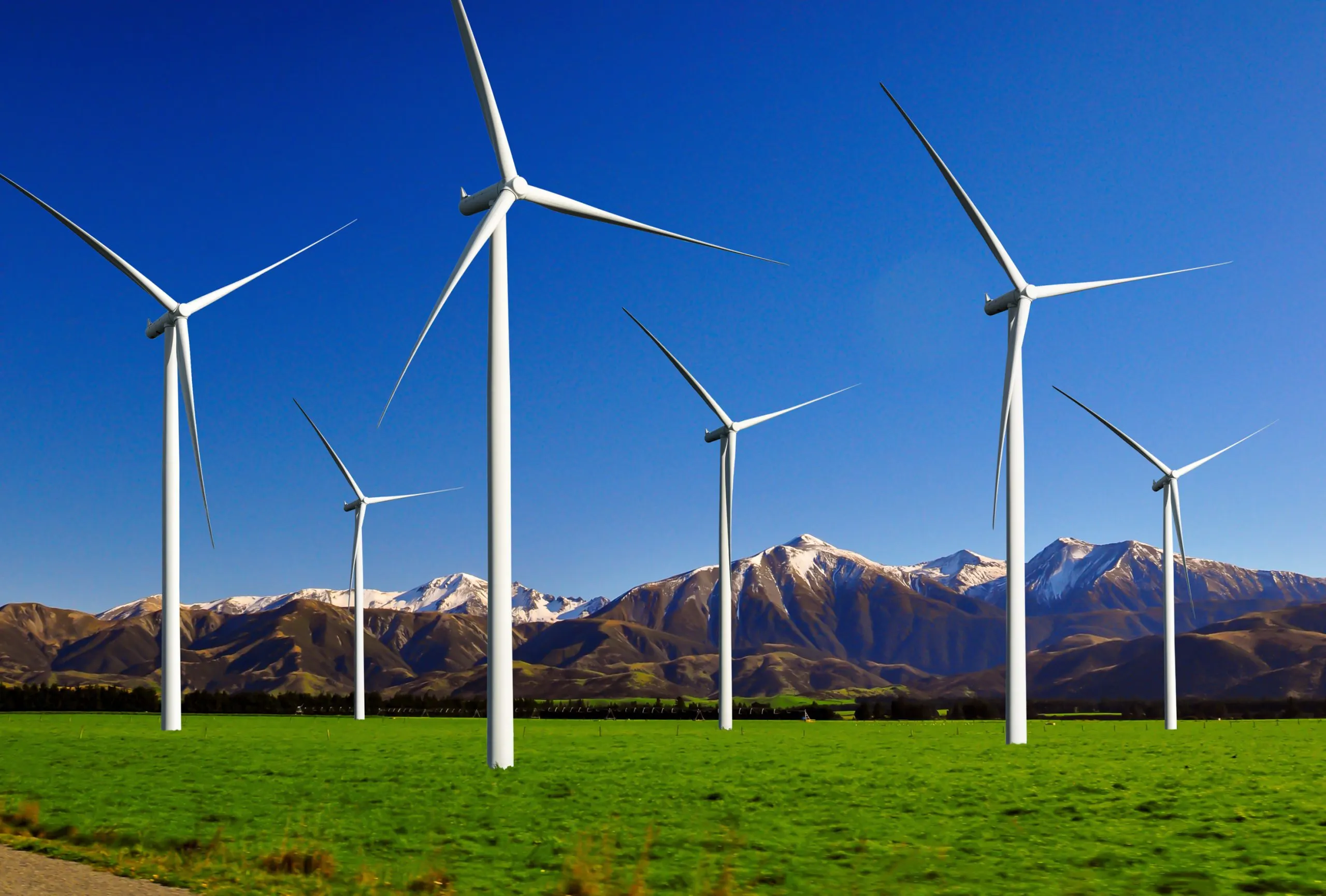
Turkey’s wind energy sector has moved well beyond the experimental phase and is now becoming a serious pillar of the country’s power mix. Over the past few years, pressure from rising electricity demand, expensive fuel imports, and climate commitments has pushed renewable energy higher on the national agenda. Wind power, in particular, has gained traction because Turkey has one practical advantage many countries in the region lack – strong and commercially viable wind corridors stretching across the Aegean, Marmara, and parts of Central Anatolia. By 2025, Turkey had already crossed 13 GW of installed wind capacity, placing it among Europe’s more active wind markets. Yet the story is not just about capacity additions. What makes the Turkish market interesting is the combination of local manufacturing ambitions, aggressive renewable auctions, and growing private-sector appetite for long-term energy security. At the same time, developers continue to face financing pressure and grid bottlenecks that could slow progress if infrastructure upgrades fail to keep pace.
What’s Driving the Wind Energy Market in Turkey?
Rising Pressure to Reduce Energy Imports
Turkey has spent decades relying heavily on imported natural gas and coal, leaving the economy exposed whenever global fuel prices spike. The energy price volatility seen after 2022 reinforced a hard lesson for policymakers – dependence on imported fuel comes with long-term economic risks. Wind projects now carry importance beyond sustainability goals; they are increasingly viewed as tools for energy independence. On the ground, industrial regions with heavy electricity consumption are showing stronger interest in renewable procurement agreements. Manufacturers exporting to Europe are under pressure to lower carbon footprints, and locally generated wind energy offers a practical route to achieve that.
Renewable Energy Auctions Attracting Investors
The government’s YEKA auction model has changed the pace of development considerably. Large-scale tenders created clearer visibility for investors while also encouraging local production of turbine components. International developers that were once cautious about Turkey are now participating more actively, particularly in utility-scale projects. There is also a noticeable shift in how corporations view electricity purchasing. Large industrial players, especially in sectors such as cement, steel, and textiles, are gradually moving toward long-term renewable power agreements to stabilize operational costs. In practice, this trend may become just as important as state-backed incentives over the next decade.
Better Turbine Technology and Hybrid Projects
Wind farms built today look very different from projects installed ten years ago. Turbines have become larger, more efficient, and capable of generating power even in locations with moderate wind speeds. This matters in Turkey because developers are beginning to explore regions previously considered commercially weak. Another interesting development is the rise of hybrid renewable projects combining wind, solar, and battery storage. These projects help smooth electricity output and reduce strain on the grid. While battery economics are still evolving, many developers see hybrid systems as a necessary step rather than an optional upgrade.
Government-Led Initiatives Supporting Wind Energy
Turkey’s renewable energy strategy increasingly favors domestic manufacturing alongside capacity expansion. Authorities have introduced incentives tied to local production of blades, towers, and turbine equipment, partly to reduce foreign currency exposure and partly to build industrial capability at home. Some Turkish manufacturers are already supplying components beyond domestic demand and exploring export opportunities across nearby regions. The country’s net-zero target for 2053 has also created stronger policy momentum around renewables. Grid modernization projects and transmission upgrades are becoming harder to delay because renewable installations are expanding faster than parts of the existing infrastructure were designed to handle.
Market Competition and Industry Landscape
The market includes a mix of international turbine suppliers and Turkish energy firms competing aggressively for new projects. Companies such as Vestas, Siemens Gamesa, and Nordex Group remain highly visible across major installations. Local EPC contractors and energy groups are also expanding renewable portfolios as financing gradually becomes more accessible. Competition is no longer limited to project size alone. Service reliability, maintenance efficiency, and localized supply chains are becoming key differentiators. Developers that can secure faster permitting and grid connectivity often gain a real advantage in the Turkish market.
Grid Constraints and Financing Risks
One persistent challenge is that grid infrastructure has not expanded at the same speed as renewable generation capacity. Certain high-wind regions already face congestion issues, making transmission access harder for new projects. A common frustration among developers involves delays tied to permitting and connection approvals. Financing also remains complicated. Currency fluctuations continue to affect imported equipment costs, while higher borrowing rates put pressure on project economics. For smaller developers, these financial uncertainties can delay investment decisions even when long-term demand fundamentals remain attractive.
Turkey Declares 2026 as “Year of Wind” Amid New Offshore Expansion Plans
Turkey has announced an aggressive push toward wind energy development, officially calling 2026 the “year of wind” during the Turkish Wind Energy Congress held in Ankara. The government plans to launch 1,500 MW of new YEKA wind tenders while accelerating preparations for its first offshore wind projects. Authorities have identified offshore development zones near the Saros Gulf, Gökçeada, Bozcaada, and Edremit coastlines. Industry leaders expect annual wind installations to exceed 2.5 GW in 2026, supported by storage-backed renewable projects and stronger international financing interest in Turkey’s clean energy sector
Future Outlook
Turkey’s wind energy market is likely to maintain solid momentum through 2035, particularly as electricity consumption continues to rise across industrial sectors. Offshore wind may eventually become an important growth area, although commercial-scale deployment will take time due to infrastructure and investment requirements. What seems more immediate is the continued expansion of domestic manufacturing and hybrid renewable installations. Turkey is gradually becoming not just a consumer of wind technology, but also a supplier of components and engineering expertise for neighboring markets.
Consultants at Nexdigm, in their latest publication “Turkey Wind Energy Market Outlook to 2035,” analyzed the market by Onshore and Offshore Wind Projects, By Turbine Capacity (Below 3 MW, 3–5 MW, Above 5 MW), By End User (Utilities, Industrial, Commercial), and By Region (Marmara, Aegean, Central Anatolia, Mediterranean, Others). Nexdigm believes that businesses should prioritize localization strategies, grid modernization partnerships, and hybrid renewable solutions while leveraging Turkey’s strategic geographic position as a renewable energy bridge between Europe and Asia.
To take the next step, simply visit our Request a Consultation page and share your requirements with us.
Harsh Mittal
+91-8422857704